• Fri frakt över 249 kr
  • •
  • Snabba leveranser
  • •
  • Billiga böcker
Kundservice

Du är på sajten för privatpersoner.

Företag, bibliotek eller offentlig verksamhet?

Du handlar på classic.bokus.com, där alla dina funktioner finns intakta.
Till classic.bokus.com
Bokus logotyp. Gå till startsidan.
  • Erbjudanden
  • Nyheter
  • Student
  • Topplistor
  • Barn & ungdom
  • Bokus Play
  • E-böcker
  • Pocketböcker
  • Spel & pussel

10% rabatt på allt med kod: NYSTART10 →

Sidfot

Mina sidor

    Hjälp

    • Kundservice
    • Vanliga frågor och svar
    • Frakt och leverans
    • Retur vid ångerrätt
    • Reklamera vara
    • Betalning
    • Köpvillkor
    • Allmänna villkor
    • Information om webbplatsens tillgänglighet

    Om Bokus

    • Om oss
    • Pressrum
    • För studenter
    • För företag
    • För bibliotek och offentlig verksamhet
    • För leverantörer
    • Hållbarhet

    Populärt

    • Aktuella erbjudanden
    • Presentkort
    • Studentlitteratur
    • Nya böcker
    • Topplistor
    • Signerade böcker
    • Engelska böcker

    Inspiration

    • Boktips
    • BookTok
    • Populära bokserier
    • Barnbokskaraktärer
    • Populära författare
    Logotyp för Bokus
    Följ oss på Facebook (extern länk)Följ oss på Instagram (extern länk)Följ oss på YouTube (extern länk)Följ oss på TikTok (extern länk)
    bokus @ CookiesAnpassa cookiesIntegritetspolicyKöpvillkor
    Till Citymail hemsida (extern länk)Till Budbee hemsida (extern länk)Till Postnord hemsida (extern länk)Till Schenker hemsida (extern länk)Till Early Bird hemsida (extern länk)Till Walleys hemsida (extern länk)
    1. Hälsa och familj
    2. Relationer

    African American Families

    AvAngela J. Hattery,Earl Smith

    Häftad, Engelska, 2007

    2 458 kr

    Beställningsvara. Skickas inom 3-6 vardagar. Fri frakt över 249 kr.

    Beskrivning

    "Bravo to the authors! They have done an excellent job addressing the issues that are critical to community members, policy makers and interventionists concerned with Black families in the context of our nation."
    —Michael C. Lambert, University of Missouri, Colombia

    "African American Families is a timely work. The strength of this text lies in the depth of coverage, clarity, and the ability to combine secondary sources, statistics and qualitative data to reveal the plight of African Americans in society."
    —Edward Opoku-Dapaah, Winston-Salem State University

    "African American Families is both engaging and challenging and is perhaps one of the most important works I have read in many years. This book will most certainly move the discourse of the socio-economic conditions of black families forward, beyond the boundaries already set by other books in the market. African American Families is an excellent book whose time has come, and one that I would most definitely adopt."
    —Lateef O. Badru, University of Louisville

    African American Families provides a systematic sociological study of contemporary life for families of African descent living in the United States. Analyzing both quantitative and qualitative data, authors Angela J. Hattery and Earl Smith identify the structural barriers that African Americans face in their attempts to raise their children and create loving, healthy, and raise the children of the next generation.

    Key Features:

    • Uses the lens provided by the race, class, and gender paradigm: Examples illustrate the ways in which multiple systems of oppression interact with patterns of self-defeating behavior to create barriers that deny many African Americans access to the American dream.
    • Addresses issues not fully or adequately addressed in previous books on Black families: These issues include personal responsibility and disproportionately high rates of incarceration, family violence, and chronic illnesses like HIV/AIDS.
    • Brings statistical data to life: The authors weave personal stories based on interviews they've conducted into the usual data from scholarly(?) literature and from U.S. Census Bureau reports.
    • Provides several illustrations from Hurricane Katrina: A contemporary analysis of a recent disaster demonstrates many of the issues presented in the book such as housing segregation and predatory lending practices.
    • Offers extensive data tables in the appendices: Assembled in easy-to-read tables, students are given access to the latest national agencies data from agencies including the U.S. Census Bureau, Centers for Disease Control, and Bureau of Justice Statistics.

    Intended Audience:

    This is an ideal textbook for advanced undergraduate and graduate courses such as African American Families, Sociology of the Family, Contemporary Families, and Race and Ethnicity in the departments of Human Development and Family Studies, Sociology, African American Studies, and Black Studies.


    Produktinformation

    • Utgivningsdatum:2007-06-13
    • Mått:152 x 228 x 22 mm
    • Vikt:540 g
    • Format:Häftad
    • Språk:Engelska
    • Antal sidor:408
    • Upplaga:1
    • Förlag:SAGE Publications
    • ISBN:9781412924665

    Utforska kategorier

    • Relationer inom Hälsa och familj

    Mer om författaren

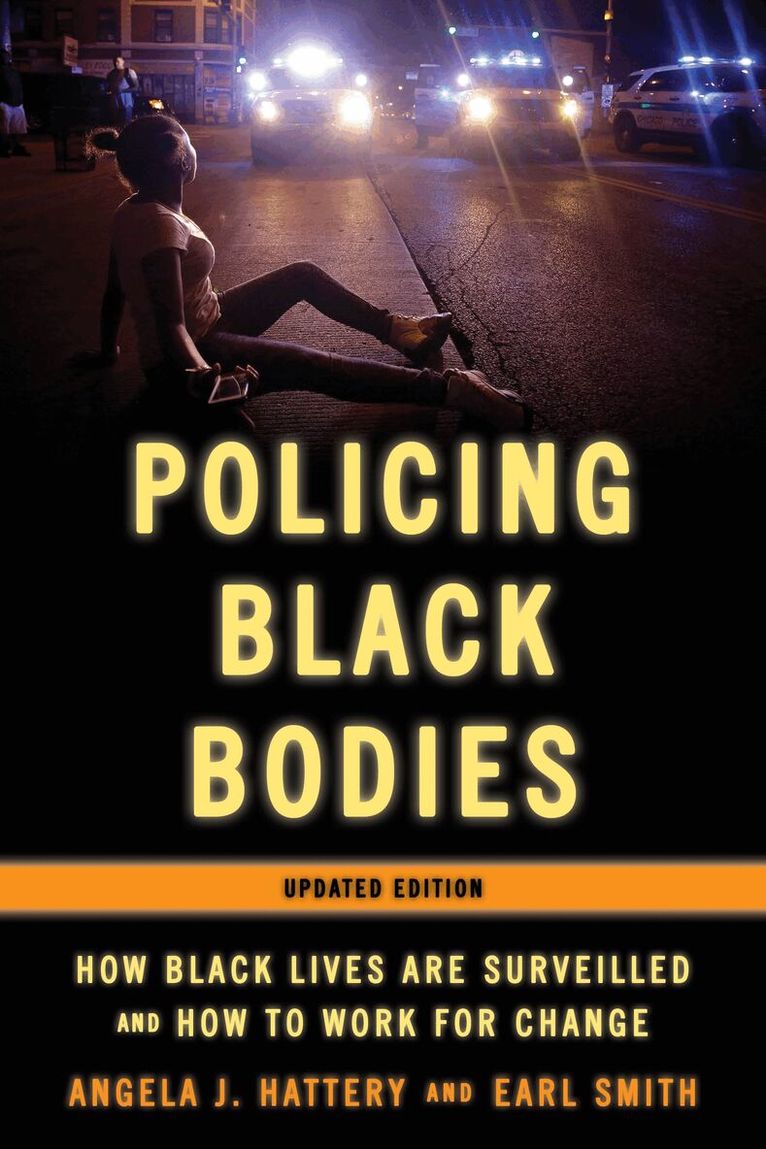
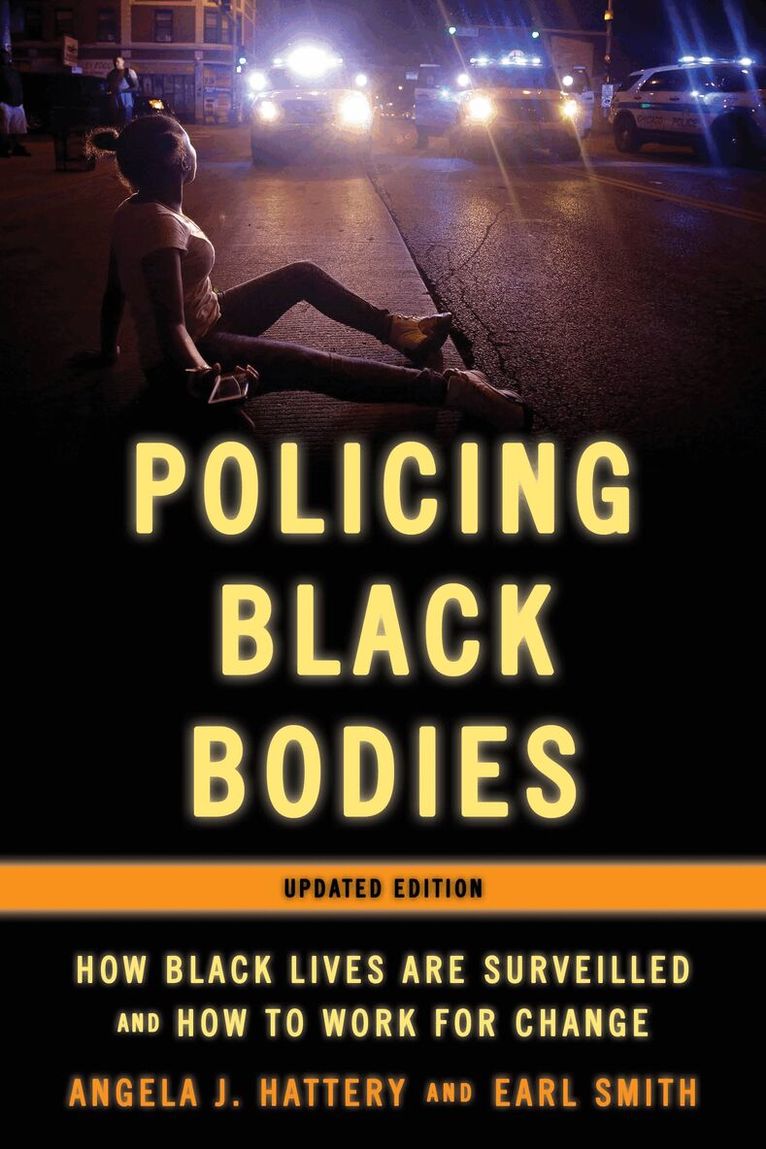
    Angela J. Hattery is Professor of the Women & Gender Studiesand co-Director of the Center for the Study and Prevention of Gender Based Violence at the Universityof Delaware. She received her BA in sociology and anthropology from Carleton College and her masters and Ph.D. in sociology from the University of Wisconsin-Madison. She is the author of 12 books. Her most recent, Way Down in the Hole: Race, Intimacy and the Reproduction of Racial Ideologies in Solitary Confinement explores the ways in which racial antagonisms are exacerbated by theparticularstructures of solitaryconfinement. She is also the author of Policing Black Bodies: How Black Lives are Surveilled and How to Work for Change (2022) and Gender, Power and Violence: Responding to Sexual and Intimate Partner Violence in Society Today. Prior to coming to UD she held positions at Ball State University, Wake Forest University, Colgate University, and most recently at George Mason University. Earl Smith, PhD, is Emeritus Distinguished Professor of American Ethnic Studies and Sociology at Wake Forest University, and is currently teaching classes in Sociology, African and African American Studies, and Women & Gender Studies at the University of Delaware.  Dr. Smith earned his Ph.D. at the University of Connecticut. His teaching and research focus on the sociology of sport, social stratification, and the intersection of race and the criminal justice system.  He is the author of 12 books, including his most recent book, Way Down in the Hole: Race, Intimacy and the Reproduction of Racial Ideologies in Solitary Confinement (2021). The book is based on three summers of ethnographic research in a large state penitentiary system. Methodologically, we conducted over 100 face-to-face interviews with inmates and correctional officers. His other books include Policing Black Bodies: How Black Lives are Surveilled and How to Work for Change (2022) and Gender, Power and Violence: Responding to Sexual and Intimate Partner Violence in Society Today and Race, Sport and the American Dream (2014).

    Recensioner i media

    Needed an updated sociology of the african american textbook; this book received 4 out of 4 recommendations

    Innehållsförteckning

    • Preface1. African American Families: A Brief IntroductionObjectivesIntroductionWhat We Hope to AccomplishThe Question of Social ClassData SourcesOrganization of the BookNotes2. African American Civil Society: Issues, Approaches, Demography, and TheoryObjectivesIntroductionDefinitionsRace as a Social ConstructAfrican American FamiliesStructural Versus Individual ExplanationsAfrican American Families: A ProfileTheoretical Approaches to Studying African American FamiliesData and MethodsNotes3. Family Formation, Marriage Rates, and CohabitationObjectivesIntroductionFactors That Affect Family FormFunctions and Purposes of MarriageMarriage PatternsThe Marriage GapIn Their Own WordsRace, Class, and Gender AnalysisSummary: Outcomes of the Low Marriage RateSolutionsNotes4. Childbearing and Childrearing PatternsObjectivesIntroductionChildbearing PatternsNonmarital BirthsRace, Class, and Gender ParadigmConclusionsSolutionsNotes5. Intimate Partner ViolenceObjectivesIntroductionDefinitionsThe ProblemThe Family Violence ApproachThe Feminist ParadigmRace, Class, and Gender Approach to Studying IPVThe Dirty Little Secret: IPV in the African American CommunityAfrican American Women as Victims/Survivors of IPV: Statistics/RatesMen and MasculinityRace, Class, and Gender ParadigmSolutionsNotes6. HIV and Other Social and Health IssuesObjectivesIntroductionThe State of Health and Well-Being in African American Civil SocietyRacial Disparities in Chronic DiseasesRacial Disparities in HIV/AIDSLeading Causes of DeathInfant MortalityOutcomes of Poor Health: Premature DeathCauses of Poor Health and DeathEnvironmental InjusticeThe Politics of Health CareThe Genetics (and Politics) of Race/Ethnicity and HealthRace, Class and Gender ParadigmSolutionsNotes7. Access to Opportunity: Educational Attainment and Occupational SegregationObjectivesIntroductionA Brief History of Race and EducationEducational AttainmentAccess to Education: LegacyThe EconomyRace, Class, and Gender: African American Women′s History of WorkOccupations and WorkOccupational Segregation: The Impact of Race and GenderCauses of Occupational SegregationOutcomes of Occupational SegregationFinancial Outcomes: Lower EarningsRace, Class, and Gender ParadigmSolutionsNotes8. Welfare and WealthObjectivesIntroductionIncome Versus WealthIncome and Income DisparitiesWealth and Wealth DisparitiesWealth Disparities and Access to the American Dream?HousingA Clear Illustration: Hurricane KatrinaPovertyWelfareWelfare ReformStereotypes About Welfare and PovertyWelfare Versus WorkWelfare Reform and Family ValuesWelfare Reform and Incarceration, or African American Mothers Are CrackheadsRace, Class, and Gender AnalysisSolutionsNotes9. African American Males and the Incarceration Problem: Not Just Confined to PrisonObjectivesIntroductionDefinitionsPrisons as Total InstitutionsThe Growth of Prisons: Institutions and PopulationThe Purpose of Prison: Rehabilitation or a Tool of Capitalism?The Demographics of the Prison Population: Race and GenderExplaining Racial Disparities in IncarcerationThe Effects of Incarceration on the Lives of Young African American MenFelony DisenfranchisementOther Bans-Social ServicesRace, Class, and Gender ParadigmSolutionsNotes10. Conclusion: Solutions to a Longstanding Problem: Race, Class, and Patriarchy in the 21st CenturySummary and Review of the Primary ThemesDegrees of SeparationA Snapshot of the African American FamilyThe StrugglesThe CausesBansFamily FormThe Relationship Between Structural Forces and Individual ChoicesWhat Is To Be Done?Structural Forces: Race, Class, and GenderFinal ThoughtsNotesAppendicesReferencesAbout the AuthorsIndex