• Fri frakt över 249 kr
  • •
  • Snabba leveranser
  • •
  • Billiga böcker
Kundservice

Du är på sajten för privatpersoner.

Företag, bibliotek eller offentlig verksamhet?

Du handlar på classic.bokus.com, där alla dina funktioner finns intakta.
Till classic.bokus.com
Bokus logotyp. Gå till startsidan.
  • Erbjudanden
  • Nyheter
  • Student
  • Topplistor
  • Barn & ungdom
  • Bokus Play
  • E-böcker
  • Pocketböcker
  • Spel & pussel

10% rabatt på allt med kod: NYSTART10 →

Sidfot

Mina sidor

    Hjälp

    • Kundservice
    • Vanliga frågor och svar
    • Frakt och leverans
    • Retur vid ångerrätt
    • Reklamera vara
    • Betalning
    • Köpvillkor
    • Allmänna villkor
    • Information om webbplatsens tillgänglighet

    Om Bokus

    • Om oss
    • Pressrum
    • För studenter
    • För företag
    • För bibliotek och offentlig verksamhet
    • För leverantörer
    • Hållbarhet

    Populärt

    • Aktuella erbjudanden
    • Presentkort
    • Studentlitteratur
    • Nya böcker
    • Topplistor
    • Signerade böcker
    • Engelska böcker

    Inspiration

    • Boktips
    • BookTok
    • Populära bokserier
    • Barnbokskaraktärer
    • Populära författare
    Logotyp för Bokus
    Följ oss på Facebook (extern länk)Följ oss på Instagram (extern länk)Följ oss på YouTube (extern länk)Följ oss på TikTok (extern länk)
    bokus @ CookiesAnpassa cookiesIntegritetspolicyKöpvillkor
    Till Citymail hemsida (extern länk)Till Budbee hemsida (extern länk)Till Postnord hemsida (extern länk)Till Schenker hemsida (extern länk)Till Early Bird hemsida (extern länk)Till Walleys hemsida (extern länk)
    1. Ekonomi och Ledarskap
    2. Företagsekonomi

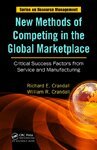
    New Methods of Competing in the Global Marketplace

    Critical Success Factors from Service and Manufacturing

    AvRichard E. Crandall,William R. Crandall

    Inbunden, Engelska, 2008

    Del i serien Resource Management

    999 kr

    Tillfälligt slut

    Beskrivning

    For well over a century, manufacturing has dictated the developmental growth of management in business, mainly in achieving lower costs and higher quality. The strength of the economy, however, continues to move quickly toward the service sector, bringing with it a number of innovative management techniques tailored to customer service operations. Highlighting the value of using contemporary innovations to help achieve success, New Methods of Competing in the Global Marketplace outlines the benefits that companies can gain by sharing techniques across the manufacturing/services boundary. Emphasizing the similarities between the two components, the book vividly describes this vanishing boundary and shows how the techniques used in one field can be adapted for effective use in the other. It describes how management and manufacturing programs can be personalized to fit individual needs and can be successfully implemented through technology innovations, infrastructure realignments, and cultural adjustments. The authors describe the steps necessary to build an integrated supply chain. They present a novel business input-transformation-output (ITO) model that depicts the basic elements of service operations management and explains how managers use a variety of paths to aid them in the decision making and management of their companies. As a manager, you will find a wealth of practical insight that applies to your business. Stressing the need for knowledge management, this book shows that change is necessary for the future success of all types of organizations.

    Produktinformation

    • Utgivningsdatum:2008-04-01
    • Mått:156 x 235 x undefined mm
    • Vikt:794 g
    • Format:Inbunden
    • Språk:Engelska
    • Serie:Resource Management
    • Antal sidor:456
    • Förlag:Taylor & Francis Inc
    • ISBN:9781420051261

    Utforska kategorier

    • Företagsekonomi inom Ekonomi och Ledarskap

    Innehållsförteckning

    • The Vanishing Manufacturing/Services Boundary Differences between Manufacturing and Service Forces That Are Eliminating the Boundary Manufacturing Is Adding Services to Be More Customer Focused Technology Development A Movement toward a Process Perspective Outsourcing Focuses More Attention on the Need for Good Service The Vanishing Manufacturing/Services Boundary Critical Success Factors and Strategic Planning What Are Critical Success Factors? The Evolution of CSFs in the United States Other Changes during a Country’s Economic Life Cycle The Need to Be Effective A Hierarchy of the Planning Process A Hierarchy of Critical Success Factors The Role of CSFs in Strategic Planning The Role of CSFs in Operational Planning Role of CSFs in Selecting Management Programs Performance Measurement and CSFs The ITO Model The ITO Model Introduction to Models The Basic ITO Model—Inputs, Transformation, and Outputs Extending the Basic ITO Model into Supply Chain Configurations The Concept of Reverse Logistics The Role of Management Programs in Continuous Improvement What Are Management Programs? Management Program Life Cycles Why Are Management Programs Important? Where Do Management Programs Come from? Why Are Some Programs Successful and Some Not? Future of Management Programs How Manufacturing Techniques Are Being Adapted to Service Operations Introduction Description of Manufacturing Process Types Product–Process Relationship Service Industry Classifications Comparison of Manufacturing and Services Manufacturing Objectives Service Objectives Programs That Work in Services Programs More Difficult to Adapt to Service Operations Keys to Extending Manufacturing Techniques to Services How Service Techniques Are Being Extended to Manufacturing Introduction What Are Services? Knowledge Transfer from Services to Manufacturing Examples of Programs Developed in Services Response Time Reduction Flexibility Interorganizational Communications Other Service Developments The Role of Technology in Continuous Improvement Definitions The Role of Technology in Continuous Improvement Technology for Process Improvement Technology for Resource Enhancement Criteria Used in Decision Making Steps in Adding Technology to the Process Future Considerations for Technology The Role of Infrastructure in Continuous Improvement What Is Infrastructure? Strategies The Four Classical Management Functions Organization Structure Alternate Organizational Structures Trends in Organizational Structures The Role of the Internet in Changing Organizational Structure The Integration of Knowledge Management into Organizational Structure Does Your Business Need a Change in Its Infrastructure? Understanding Organizational Culture—the Elusive Key to Change Introduction What Is Organizational Culture? Why Is Organizational Culture so Important? What Are the Components of Organizational Culture? What Types of Organizational Culture Are There? Changing Organizational Culture Integrated Supply Chains from Dream to Reality Introduction Setting the Stage Supply Chain Models Steps to Achieve a Lean and Agile Supply Chain Steps in the Change Process A Look Ahead The Role of Services to Complement the Supply Chain Introduction What Are Producer Services? What Are Social Services? What Are Consumer Services? Integrated Service Package The Future of Improvement Programs Introduction The Background to Improvement Programs Future Areas of Emphasis Future of Improvement Programs The Drivers of Change Most Likely Future Methodologies Most Likely Improvement Programs Industries Most Likely to Stress Continuous Improvement Knowledge Management: Where Does It Fit? Index A Summary and References appear at the end of most chapters.