• Fri frakt över 249 kr
  • •
  • Snabba leveranser
  • •
  • Billiga böcker
Kundservice

Du är på sajten för privatpersoner.

Företag, bibliotek eller offentlig verksamhet?

Du handlar på classic.bokus.com, där alla dina funktioner finns intakta.
Till classic.bokus.com
Bokus logotyp. Gå till startsidan.
  • Erbjudanden
  • Nyheter
  • Student
  • Topplistor
  • Barn & ungdom
  • Bokus Play
  • E-böcker
  • Pocketböcker
  • Spel & pussel

10% rabatt på allt med kod: NYSTART10 →

Sidfot

Mina sidor

    Hjälp

    • Kundservice
    • Vanliga frågor och svar
    • Frakt och leverans
    • Retur vid ångerrätt
    • Reklamera vara
    • Betalning
    • Köpvillkor
    • Allmänna villkor
    • Information om webbplatsens tillgänglighet

    Om Bokus

    • Om oss
    • Pressrum
    • För studenter
    • För företag
    • För bibliotek och offentlig verksamhet
    • För leverantörer
    • Hållbarhet

    Populärt

    • Aktuella erbjudanden
    • Presentkort
    • Studentlitteratur
    • Nya böcker
    • Topplistor
    • Signerade böcker
    • Engelska böcker

    Inspiration

    • Boktips
    • BookTok
    • Populära bokserier
    • Barnbokskaraktärer
    • Populära författare
    Logotyp för Bokus
    Följ oss på Facebook (extern länk)Följ oss på Instagram (extern länk)Följ oss på YouTube (extern länk)Följ oss på TikTok (extern länk)
    bokus @ CookiesAnpassa cookiesIntegritetspolicyKöpvillkor
    Till Citymail hemsida (extern länk)Till Budbee hemsida (extern länk)Till Postnord hemsida (extern länk)Till Schenker hemsida (extern länk)Till Early Bird hemsida (extern länk)Till Walleys hemsida (extern länk)
    1. Biografier
    2. Biografier

    Chemistry of Fear

    Harvey Wiley's Fight for Pure Food

    AvJonathan Rees

    Inbunden, Engelska, 2021

    382 kr

    Beställningsvara. Skickas inom 5-8 vardagar. Fri frakt över 249 kr.

    Beskrivning

    A fascinating examination of the controversial work of Harvey Wiley, the founder of the pure food movement and an early crusader against the use of additives and preservatives in food.Though trained as a medical doctor, chemist Harvey Wiley spent most of his professional life advocating for "pure food"—food free of both adulterants and preservatives. A strong proponent of the Pure Food and Drug Act of 1906, still the basis of food safety legislation in the United States, Wiley gained fame for what became known as the Poison Squad experiments—a series of tests in which, to learn more about the effects of various chemicals on the human body, Wiley's own employees at the Department of Agriculture agreed to consume food mixed with significant amounts of various additives, including borax, saltpeter, copper sulfate, sulfuric acid, and formaldehyde. One hundred years later, Wiley's influence lives on in many of our current popular ideas about food: that the wrong food can kill you; that the right food can extend your life; that additives are unnatural; and that unnatural food is unhealthy food. Eating—the process of taking something external in the world and putting it inside of you—has always been an intimate act, but it was Harvey Wiley who first turned it into a matter of life or death.In The Chemistry of Fear, Jonathan Rees examines Wiley's many—and varied—conflicts and clashes over food safety, including the adulteration of honey and the addition of caffeine to Coca-Cola, formaldehyde to milk, and alum to baking powder. Although Wiley is often depicted as an unwavering champion of the consumer's interest, Rees argues that his critics rightfully questioned some of his motivations, as well as the conclusions that he drew from his most important scientific work. And although Wiley's fame and popularity gave him enormous influence, Rees reveals that his impact on what Americans eat depends more upon fear than it does upon the quality of his research. Exploring in detail the battles Wiley picked over the way various foods and drinks were made and marketed, The Chemistry of Fear touches upon every stage of his career as a pure food advocate. From his initial work in Washington researching food adulteration, through the long interval at the end of his life when he worked for Good Housekeeping, Wiley often wrote about the people who prevented him from making the pure food law as effective as he thought it should have been. This engaging book will interest anyone who's curious about the pitfalls that eaters faced at the turn of the twentieth century.

    Produktinformation

    • Utgivningsdatum:2021-08-31
    • Mått:152 x 229 x 26 mm
    • Vikt:567 g
    • Format:Inbunden
    • Språk:Engelska
    • Antal sidor:320
    • Förlag:Johns Hopkins University Press
    • ISBN:9781421439952

    Utforska kategorier

    • Biografier inom Biografier

    Mer om författaren

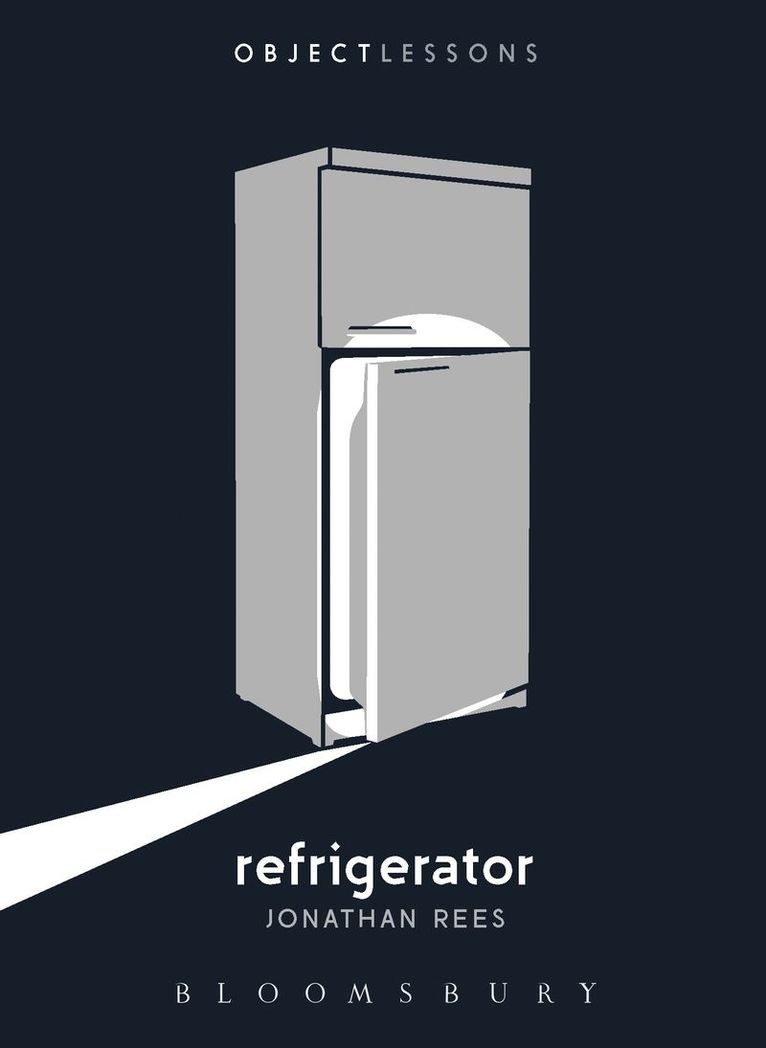
    Jonathan Rees is a professor of history at Colorado State University–Pueblo. He is the author of Before the Refrigerator: How We Used to Get Ice, Refrigeration Nation: A History of Ice, Appliances, and Enterprise in America, and Refrigerator.

    Recensioner i media

    Jonathan Rees's new biography of Wiley, The Chemistry of Fear: Harvey Wiley's Fight for Pure Food, is not only about Wiley, but about scientific progress, the meaning of food and health, progressivism, the bureaucratic state, and that place where science and publicity meet. It's a great read.—Historically Thinking

    Innehållsförteckning

    • Introduction. Who Was Harvey Wiley?Chapter One. Indiana Chapter Two. HoneyChapter Three. Sugar BeetsChapter Four. Adulterated FoodChapter Five. MeatChapter Six. Pure FoodChapter Seven. WhiskeyChapter Eight. EnforcementChapter Nine. Saccharin and KetchupChapter Ten. DrugsChapter Eleven. Bleached Flour and Baking PowderChapter Twelve. Coca-ColaChapter Thirteen. ResignationChapter Fourteen. The Good Housekeeping YearsConclusion. Wiley's LegacyAcknowledgmentsNotesEssay on SourcesIndex