• Fri frakt över 249 kr
  • •
  • Snabba leveranser
  • •
  • Billiga böcker
Kundservice

Du är på sajten för privatpersoner.

Företag, bibliotek eller offentlig verksamhet?

Du handlar på classic.bokus.com, där alla dina funktioner finns intakta.
Till classic.bokus.com
Bokus logotyp. Gå till startsidan.
  • Erbjudanden
  • Student
  • Topplistor
  • Barn & ungdom
  • Bokus Play
  • E-böcker
  • Ljudböcker
  • Pocketböcker
  • Spel och pussel

5% studentrabatt – använd koden KURSBOK27 →

Sidfot

Mina sidor

    Hjälp

    • Kundservice
    • Vanliga frågor och svar
    • Frakt och leverans
    • Retur vid ångerrätt
    • Reklamera vara
    • Betalning
    • Köpvillkor
    • Allmänna villkor
    • Information om webbplatsens tillgänglighet

    Om Bokus

    • Om oss
    • Pressrum
    • För studenter
    • För företag
    • För bibliotek och offentlig verksamhet
    • För leverantörer
    • Hållbarhet

    Populärt

    • Aktuella erbjudanden
    • Presentkort
    • Studentlitteratur
    • Nya böcker
    • Topplistor
    • Signerade böcker
    • Engelska böcker

    Inspiration

    • Boktips
    • BookTok
    • Barnbokskaraktärer
    • Populära författare
    Logotyp för Bokus
    Följ oss på Facebook (extern länk)Följ oss på Instagram (extern länk)Följ oss på YouTube (extern länk)Följ oss på TikTok (extern länk)
    bokus @ CookiesAnpassa cookiesIntegritetspolicyKöpvillkor
    Till Citymail hemsida (extern länk)Till Budbee hemsida (extern länk)Till Postnord hemsida (extern länk)Till Schenker hemsida (extern länk)Till Early Bird hemsida (extern länk)Till Walleys hemsida (extern länk)
    1. Medicin
    2. Andra medicinska specialiteter
    3. Klinisk psykologi

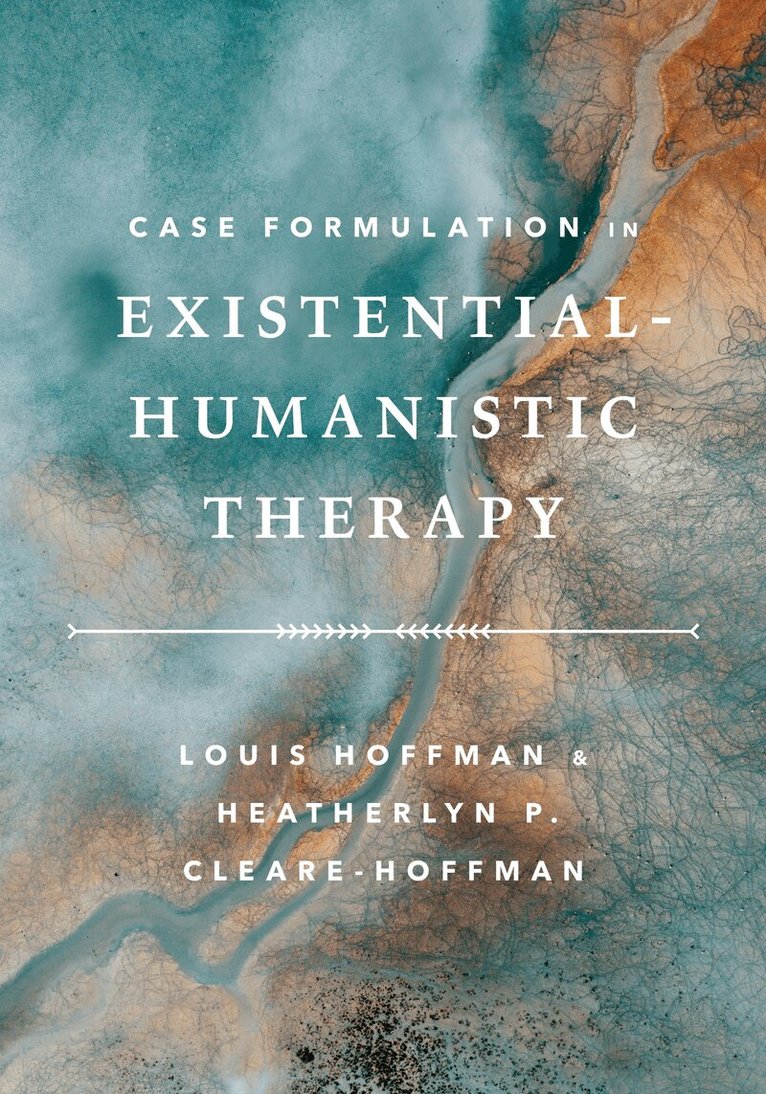
    Case Formulation in Existential–Humanistic Therapy

    AvLouis Hoffman,Heatherlyn P. Cleare-Hoffman

    Häftad, Engelska, 2025

    611 kr

    Beställningsvara. Skickas inom 5-8 vardagar. Fri frakt över 249 kr.

    Beskrivning

    This book presents a nonhierarchical, liberatory case formulation framework for existential-humanistic (EH) therapy that balances structure and adaptability.The authors have developed a flexible template that prioritizes general principles and client collaboration over scripted procedures or techniques. It emphasizes EH therapy amp rsquo s dynamic, creative approach while offering a structure that makes EH therapy easy to learn for students and to help practitioners meet insurance needs and to operate within regimented treatment settings.Each section of the case formulation template is detailed in its own chapter. These chapters cover: holistic narratives of the client's background and experiences techniques for identifying the client's concern/problem, putting the client's perspective and systemic issues ahead of the diagnostic process the theoretical aspects of case formulation, emphasizing important factors like the client's strengths and resources, biopsychosocial influences, and existential challenges and treatment planning based on the client's evolving needs and goals. A recurring case example illustrates how to fill out each of these sections and is supplemented by other case examples.

    Produktinformation

    • Utgivningsdatum:2025-06-24
    • Mått:243 x 29 x 173 mm
    • Vikt:475 g
    • Format:Häftad
    • Språk:Engelska
    • Antal sidor:243
    • Förlag:American Psychological Association
    • ISBN:9781433842948

    Utforska kategorier

    • Klinisk psykologi inom Medicin
    • Psykologiska teorier och skolor inom Psykologi och pedagogik

    Mer om författaren

    Louis Hoffman, PhD, is a licensed psychologist in private practice and executive director of the Rocky Mountain Humanistic Counseling and Psychological Association. He has published over 20 books and 100 journal articles and book chapters. His books include the APA Handbook of Humanistic and Existential Psychology, Eros & Psyche: Existential Perspectives on Sexuality, Existential Psychology East-West, and Becoming an Existential-Humanistic Therapist. He has been recognized as a fellow of the American Psychological Association and six of its divisions ( 1, 10, 32, 36, 48, and 52) and received the Rollo May Award of the Society for Humanistic Psychology.  Heatherlyn P. Cleare-Hoffman, PsyD, is a staff psychologist at the Gallogly Wellness Center at the University of Colorado at Colorado Springs. She previously was associate director for clinical training at Argosy University, San Francisco Bay Area core faculty at the University of the Rockies, and clinical director at the Center for Growth. She was a keynote speaker at the 12th Society for Humanistic Psychology Annual Conference in 2019. Dr. Cleare-Hoffman's research interests include multicultural and international psychology, cultural rituals and festivals, and the psychology implications of Junkanoo for Bahamians. She is coeditor of Humanistic Approaches to Multiculturalism and Diversity.

    Recensioner i media

    "Just in time, this volume addresses a gap in the resurging literature on existential–humanistic psychotherapy: the scarcity of guidebooks elucidating existential–humanistic assessment and case formulation. Drawing on an impressive array of quantitative and qualitative research, the authors have managed to put together a practical and philosophically faithful framework that can be readily accessed by both graduate-level trainees and seasoned professionals. In that light I am thrilled to recommend this book as a gateway to an existential–humanistic revival, both in the classroom and the clinic." - Kirk J. Schneider, PhD, editor of Existential-Integrative Psychotherapy: Guideposts to the Core of Practice; coauthor of Existential–Humanistic Therapy, Third Edition; and coauthor of The Psychology of Existence: An Integrative, Clinical Perspective "Hoffman and Cleare-Hoffman provide an innovative framework for contemporary existential–humanistic case formulation with a liberatory dimension. Drawing on rich clinical illustrations, this unique volume centers sociocultural context in existential–humanistic theory and translates theory to moment-to-moment interactions between client and therapist. It is a must-read volume for practitioners, educators, and researchers interested in a nuanced and holistic understanding of therapeutic process." - Pratyusha Tummala-Narra, PhD, Department of Counseling, Developmental and Educational Psychology, Boston College, Chestnut Hill, MA "I was thrilled to read this book! It makes clear why existential–humanistic approaches are central to any social justice-oriented therapy. e authors provide a foundation of respect in which therapy is tailored to clients within their own cultural contexts and experiences. Reading this book is even better than being able to peer into the sessions of eminent therapists, because you can both see their interventions and hear their thoughts on how best to empower and support clients. Students will love that the framing of the book is centered on focused case examples, allowing for a rich clinical understanding of how EH conceptualization develops across time when working with a client. I have long admired the leadership and expertise that these authors bring to existential–humanistic psychotherapy and appreciate the sensitivity they bring to each page. Students will learn how to apply interventions, but they will learn so much more as well. e text supports them to become truly responsive therapists in the service of their clients." - Heidi M. Levitt, PhD, Professor, Department of Psychology, University of Massachusetts Boston"Case Formulation in Existential–Humanistic Therapy is a landmark text that fills an enormous gap in the literature. Often my students complain that much of the current literature in existential and humanistic therapy digs deep into the philosophical foundations of the practice, but they find it difficult to translate the theory into practice. This book changes the game. Experienced professional therapists and graduate students will find this book to be refreshingly clear and pragmatic in its focus. This book is essential reading for therapists who wish to learn how to navigate the task of approaching case formulation and treatment planning within an existential–humanistic framework." - Brent Dean Robbins, PhD, Professor of Psychology, Point Park University, Pittsburgh, PA "All practitioners and learners of existential–humanistic therapy are likely to rejoice at the release of this book. It provides the type of loose structure that will help contain the anxious unknowing of trainees, the unarticulated knowing of professors and supervisors, and the floundering frustrations of established clinicians alike - all while giving EH practitioners the freedom to maintain their unique integrative styles. Any course that teaches the theory and practice of existential and humanistic therapies would benefit greatly from this book." - Brian S. Hanna, PsyD, Licensed Clinical Psychologist, Hanna Psychological Services, Park Ridge, IL "This book fills a critical void for those seeking case conceptualization from an existential–humanistic orientation. Its approach to case formulation is practical and flexible, and it emphasizes collaboration with clients. It will be essential reading for psychotherapists, diagnostic clinicians, as well as medical doctors and researchers (e.g., of therapeutic outcome studies) and will be invaluable to both seasoned practitioners and students in training." - Dan Hocoy, PhD, Licensed Clinical Psychologist; Consulting Editor, The Humanistic Psychologist; and President, Goddard College, Plainfield, VT

    Innehållsförteckning

    • Introduction: A Phenomenological and Liberatory Approach to Case FormulationAcknowledgmentsChapter 1. A Framework for Existential-Humanistic Case FormulationChapter 2. Existential-Humanistic Treatment Approaches: Identifying and Mapping InterventionsChapter 3. Case Example Introduction: RasheedaChapter 4. Brief Holistic Client NarrativeChapter 5. Concern/Problem IdentificationChapter 6. Theoretical Aspects of Case FormulationChapter 7. Treatment PlanningChapter 8. Supporting Existential-Humanistic InterventionsChapter 9. Additional Case Illustrations of Existential-Humanistic Case FormulationEpilogue: Concluding Thoughts on Existential-Humanistic Therapy Case FormulationAppendix A. Existential-Humanistic Case Formulation and Treatment Planning TemplateAppendix B. Recommended Reading for Existential-Humanistic Theory and PsychotherapyReferencesIndexAbout the Authors