• Fri frakt över 249 kr
  • •
  • Snabba leveranser
  • •
  • Billiga böcker
Kundservice

Du är på sajten för privatpersoner.

Företag, bibliotek eller offentlig verksamhet?

Du handlar på classic.bokus.com, där alla dina funktioner finns intakta.
Till classic.bokus.com
Bokus logotyp. Gå till startsidan.
  • Erbjudanden
  • Student
  • Topplistor
  • Barn & ungdom
  • Bokus Play
  • E-böcker
  • Ljudböcker
  • Pocketböcker
  • Spel & pussel

10% rabatt på allt med kod NYSTART10 →

Sidfot

Mina sidor

    Hjälp

    • Kundservice
    • Vanliga frågor och svar
    • Frakt och leverans
    • Retur vid ångerrätt
    • Reklamera vara
    • Betalning
    • Köpvillkor
    • Allmänna villkor
    • Information om webbplatsens tillgänglighet

    Om Bokus

    • Om oss
    • Pressrum
    • För studenter
    • För företag
    • För bibliotek och offentlig verksamhet
    • För leverantörer
    • Hållbarhet

    Populärt

    • Aktuella erbjudanden
    • Presentkort
    • Studentlitteratur
    • Nya böcker
    • Topplistor
    • Signerade böcker
    • Engelska böcker

    Inspiration

    • Boktips
    • BookTok
    • Populära bokserier
    • Barnbokskaraktärer
    • Populära författare
    Logotyp för Bokus
    Följ oss på Facebook (extern länk)Följ oss på Instagram (extern länk)Följ oss på YouTube (extern länk)Följ oss på TikTok (extern länk)
    bokus @ CookiesAnpassa cookiesIntegritetspolicyKöpvillkor
    Till Citymail hemsida (extern länk)Till Budbee hemsida (extern länk)Till Postnord hemsida (extern länk)Till Schenker hemsida (extern länk)Till Early Bird hemsida (extern länk)Till Walleys hemsida (extern länk)
    1. Språk och ordböcker
    2. Språkvetenskap och lingvistik

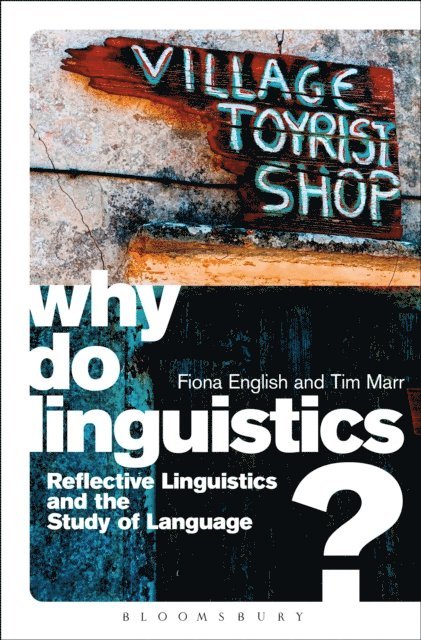
    Why Do Linguistics?

    Reflective Linguistics and the Study of Language

    AvFiona English,Tim Marr

    E-bok
    Engelska, 2015

    437 kr

    Läs direkt i Bokus Reader – eller ladda ned till din enhet

    Fler format och utgåvor

    Häftad

    364 kr

    Inbunden

    1 149 kr

    E-bok

    390 kr

    E-bok

    389 kr

    E-bok

    435 kr

    Inbunden

    1 577 kr

    Häftad

    405 kr

    Beskrivning

    What do we need to know about language and why do we need to know it? This book shows how viewing the world through a linguistics lens can help us to understand how we communicate with each other and why we do it in the ways we do. Above all this book is about noticing. It is about encouraging readers to pay attention to the language that surrounds them. The book addresses fundamental linguistic questions such as: Where do people's beliefs about language come from? Who decides what language we should speak? How do we choose the best way to express what we mean? It introduces a set of practical tools for language analysis and, using examples of authentic communicative activity including overheard conversations, Facebook posts and public announcements, shows how this kind of analysis works and what it can tell us about social interaction.Exploring language and language use from a social, intercultural and multilingual perspective, the authors demonstrate the relevance of linguistics in understanding day-to-day interaction. This book will help readers not only to become informed, active observers of language for its own sake, but also to be able to take on and challenge some of the misconceptions, assumptions and prejudices that so often underlie public discussion of language issues.

    Produktinformation

    • Utgivningsdatum:2015-01-29
    • Språk:Engelska
    • Antal sidor:256
    • Filformat:EPUB
    • Kopieringsskydd:LCP
    • ISBN:9781441123091
    • Förlag:Bloomsbury Publishing PLC (Digital)

    Utforska kategorier

    • Språkvetenskap och lingvistik inom Språk och ordböcker

    Mer om författaren

    Fiona English is Honorary Senior Research Associate at the Centre for Applied Linguistics, IOE, UCL's Faculty of Education and Society, University College London, UK.Tim Marr is Visiting Professor in TESOL and Applied Linguistics at Universidad Icesi, Colombia.

    Recensioner i media

    Why Do Linguistics? is an engaging introduction to the study of language. It covers a wide range of topics in an accessible and lively manner. There are numerous examples from everyday life to illustrate the points being made, all of which highlight the value of taking a deeper look at language issues and what they, in the broader sense, mean. The authors have given us a book that not only explains, but also helps us understand, the complexity of human communications from social, as well as multilingual and intercultural points of view. A very enjoyable book and one that beginning students of linguistics will especially relate to. -- Brian Paltridge, Professor of TESOL, University of Sydney, Australia Expert 'noticers of language' Fiona English and Tim Marr present a comprehensive and compelling case for the study of language from a social linguistics perspective. From announcements on public transport, to considering whether a shoe is a text they provide a persuasive and detailed explanation of how language is at once messy and systematic. They explore issues of identity, culture, language attitudes and linguistics diversity and convincingly show that linguistics is everywhere. The use of every day examples, including post cards and furniture assembly instructions makes clear the full reach of linguistic analysis and demonstrates that examining the world through a linguistic lens provides new ways of looking and of thinking. This is an engaging book written with verve, and highly recommended for anyone interested in language. -- Annabelle Mooney, Reader in the Department of Media, Culture and Language, University of Roehampton, UK This highly original overview of the field of linguistics answers the question posed by its title in multiple ways - all of them convincing, entertaining and informative. As someone working with secondary school English departments, I was particularly interested in Fiona English and Tim Marr's chapter arguing that language study should be given much more serious consideration in the school curriculum. I couldn't agree more and now feel more empowered than ever to make the case with anyone who might think otherwise. The book is very readable throughout and I would recommend it to anyone with a serious interest in language. I finished more convinced than ever that students at all levels need to do linguistics - and it made me want to do the subject all over again. -- Andrew McCallum, Co-Director of the English and Media Centre, London, UK

    Innehållsförteckning

    • Authors' AcknowledgementsPublisher's AcknowledgementsGeneral IntroductionPart IIntroduction to Part I – Reflective Linguistics1. About Noticing: Becoming a linguistic ethnographer2. About Correctness : What is good language?3. About Belonging : How does language enact community? 4. About Diversity : How do societies organise language?5. About Difference : Do all languages work the same way?Part IIIntroduction to Part II – The Study of Language6. Essential Linguistic Tools7. A Framework for Analysis8. Speaking and Spokenness9. Writing and Writtenness10. Choosing our WordsPart IIIIntroduction to Part III – Why Do Linguistics?11. Translanguaging : When the mixed code is the code12. Myths and Moral Panics? : Linguistics and the public domain13. The Subject That Isn't a Subject : Language at school14. Communicating At The Sharp Edge : Linguistics and the workplace15. So, Why Do Linguistics?ReferencesIndex