Häftad, Engelska, 2013
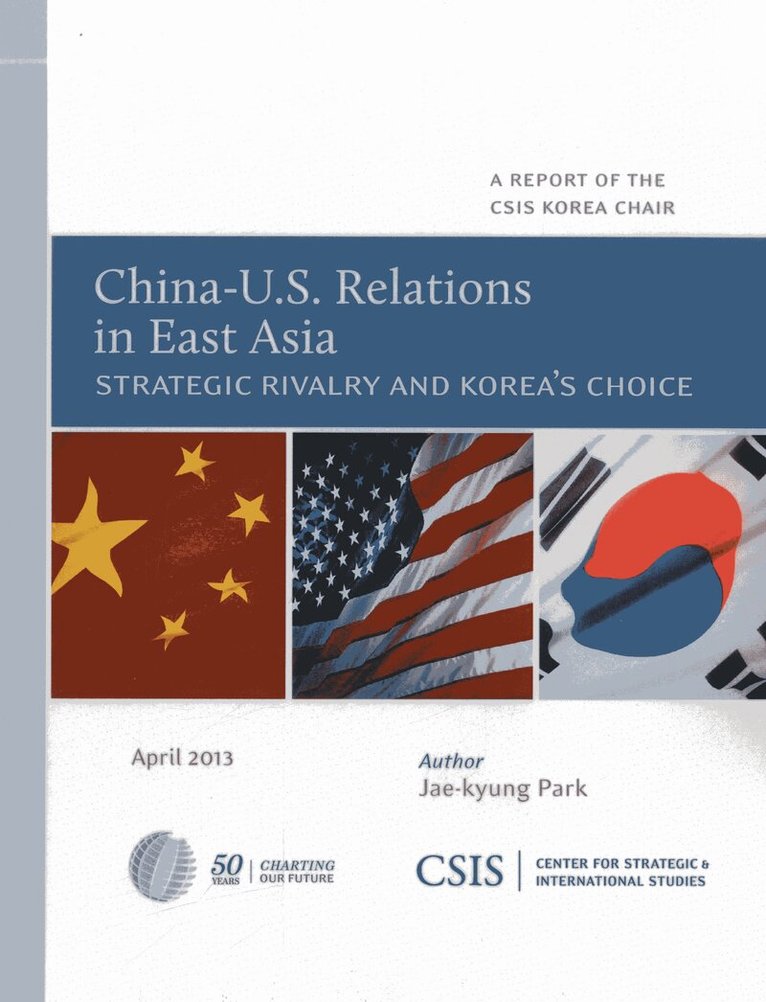
China-U.S. Relations in East Asia
600 kr
Beställningsvara. Skickas inom 10-15 vardagar. Fri frakt över 249 kr.
Beskrivning
At the beginning of the 1990s, China intensified its Asia policy. While the United States was waging a war on terrorism in the Middle East, China tried to engage countries in Asia through its diplomatic “charm offensive” or “smile diplomacy.” However, since President Barack Obama took office in 2008, the United States has shown interest in Asia with renewed vigor. This pivoting toward Asia by both China and the U.S. has thus provided countries in the region with significant challenges and opportunities. China and the U.S. have naturally impinged on each other, and this has also been the case for both multilateral and mini-lateral regional institutions. China has valued the Association of Southeast Asian Nations (ASEAN) + 3 as a main vehicle for cementing cooperation in East Asia, while downplaying a broader version of a regional institution, the East Asia Summit (EAS), as a forum for talks. Though the U.S. was a latecomer to those institutions, it upholds the EAS as one of the defining institutions among the various and multilayered institutions in Asia. A similar picture may be drawn with respect to trilateral cooperation between China, Japan, and Korea (CJK) versus Korea, Japan, and the U.S. On the economic side, as well, many would like to compare the Regional Comprehensive Economic Partnership (RCEP) and Tran-Pacific Partnership (TPP) from the perspective of China-U.S. rivalry.
Produktinformation
- Utgivningsdatum: 2013-06-07
- Mått: 216 x 279 x 6 mm
- Vikt: 136 g
- Format: Häftad
- Språk: Engelska
- Serie: CSIS Reports
- Antal sidor: 40
- Förlag: Centre for Strategic & International Studies,U.S.
- ISBN: 9781442224674
Utforska kategorier
Betyg & recensioner
0 recensioner
Inga recensioner tillgängliga.