• Fri frakt över 249 kr
  • •
  • Snabba leveranser
  • •
  • Billiga böcker
Kundservice

Du är på sajten för privatpersoner.

Företag, bibliotek eller offentlig verksamhet?

Du handlar på classic.bokus.com, där alla dina funktioner finns intakta.
Till classic.bokus.com
Bokus logotyp. Gå till startsidan.
  • Erbjudanden
  • Student
  • Topplistor
  • Barn & ungdom
  • Bokus Play
  • E-böcker
  • Ljudböcker
  • Pocketböcker
  • Spel & pussel

Upp till 25% på utvalda nyheter →

Sidfot

Mina sidor

    Hjälp

    • Kundservice
    • Vanliga frågor och svar
    • Frakt och leverans
    • Retur vid ångerrätt
    • Reklamera vara
    • Betalning
    • Köpvillkor
    • Allmänna villkor
    • Information om webbplatsens tillgänglighet

    Om Bokus

    • Om oss
    • Pressrum
    • För studenter
    • För företag
    • För bibliotek och offentlig verksamhet
    • För leverantörer
    • Hållbarhet

    Populärt

    • Aktuella erbjudanden
    • Presentkort
    • Studentlitteratur
    • Nya böcker
    • Topplistor
    • Signerade böcker
    • Engelska böcker

    Inspiration

    • Boktips
    • BookTok
    • Populära bokserier
    • Barnbokskaraktärer
    • Populära författare
    Logotyp för Bokus
    Följ oss på Facebook (extern länk)Följ oss på Instagram (extern länk)Följ oss på YouTube (extern länk)Följ oss på TikTok (extern länk)
    bokus @ CookiesAnpassa cookiesIntegritetspolicyKöpvillkor
    Till Citymail hemsida (extern länk)Till Budbee hemsida (extern länk)Till Postnord hemsida (extern länk)Till Schenker hemsida (extern länk)Till Early Bird hemsida (extern länk)Till Walleys hemsida (extern länk)
    1. Ekonomi och Ledarskap
    2. Industrier och branscher
    3. Media och underhållning

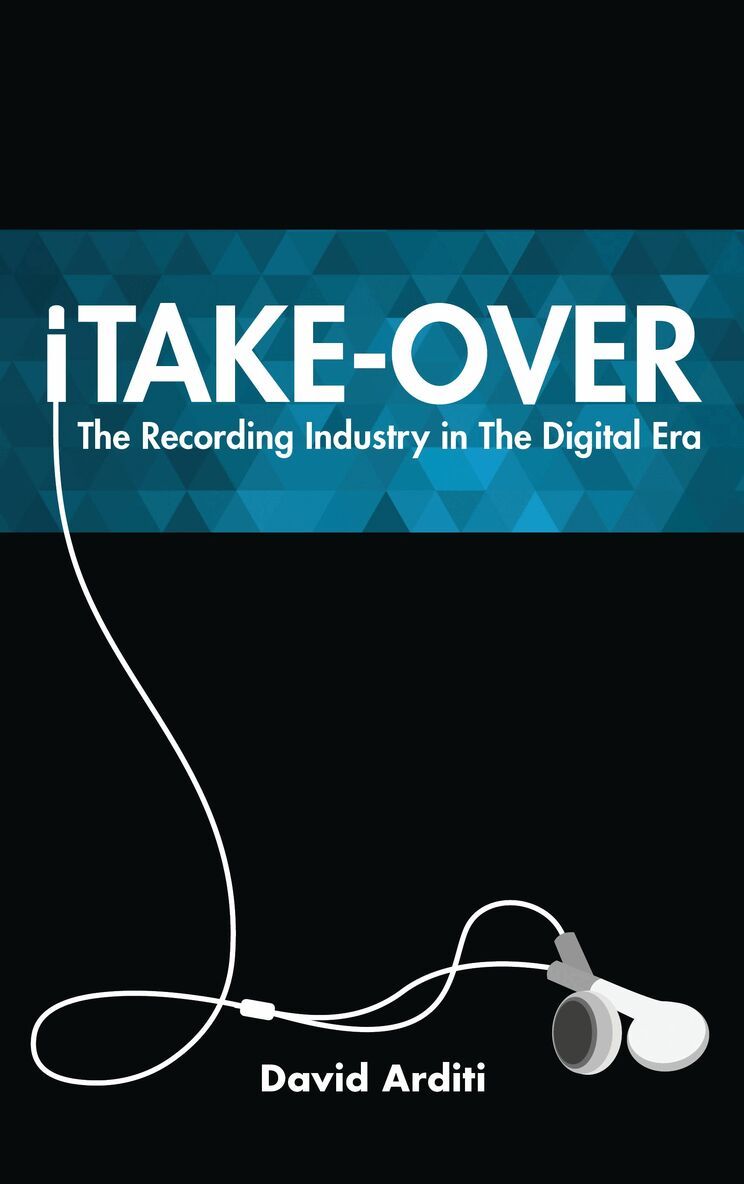
    iTake-Over

    The Recording Industry in the Digital Era

    AvDavid Arditi

    Inbunden, Engelska, 2014

    1 151 kr

    Beställningsvara. Skickas inom 10-15 vardagar. Fri frakt över 249 kr.

    Fler format och utgåvor

    Inbunden

    1 222 kr

    Häftad

    522 kr

    Beskrivning

    iTake-Over: The Recording Industry in the Digital Era sheds light on the way large corporations appropriate new technologies related to recording and distribution of audio material to maintain their market dominance in a capitalist system. All too commonly, scholars have asserted too confidently, how the rise and reign of digital music has diminished the power of major record labels. In iTake-Over, music scholar David Arditi argues otherwise, adopting a broader perspective by examining how the recording industry has strengthened copyright laws for their corporate ends at the expense of the broader public good, which has traditionally depended on the safe harbor of fair use. Arditi also challenges the dominant discourse over digital music distribution, which has largely adopted the position that the recording industry has a legitimate claim to profitability at the detriment of a shared culture. iTake-Over more specifically surveys the actual material effects that digital distribution has had on the industry. Most notable among these is how major record labels find themselves in a stronger financial position today in the music industry than they were before the launch of Napster. Arditi contends that this is largely because of reduced production and distribution costs and the steady gain in digital music sales. Moreover, instead of merely trying to counteract the phenomenon of digital distribution, the RIAA and the major record labels embraced, and then altered, the distribution system. Throughout the 1990s and early 2000s, the RIAA lobbied for legislation, built technologies, and waged war in the courts in order to shape the digital environment for music distribution. From mp3s to the Digital Millennium Copyright Act (DMCA), from the Audio Home Recording Act (AHRA) to iTunes, the major record labels and the RIAA, instead of trying to torpedo the switch to digital distribution, engineered it to their benefit—often at the expense of the public interest.Throughout, Arditi boldly asserts that the sea change to digital music did not destroy the recording industry. Rather, it stands as a testament to the recording industry’s successful management of this migration to digital production and distribution. As such, this work should appeal to musicians and music scholars, political scientists and sociologists, technologists and audio professionals seeking to grasp this remarkable change in music production and consumption.

    Produktinformation

    • Utgivningsdatum:2014-12-11
    • Mått:161 x 236 x 20 mm
    • Vikt:435 g
    • Format:Inbunden
    • Språk:Engelska
    • Antal sidor:198
    • Förlag:Bloomsbury Publishing Plc
    • ISBN:9781442240131

    Utforska kategorier

    • Media och underhållning inom Ekonomi och Ledarskap

    Mer om författaren

    David Arditi is an assistant professor in the Interdisciplinary Studies Program at the University of Texas at Arlington.

    Recensioner i media

    For more than a decade, record companies have warned of the dire consequences of illegal downloading of music and the imminent demise of their industry. Though many mom-and-pop record shops have indeed disappeared, the big record companies have not only survived but, according to Arditi, have strengthened their dominance of music culture. Far from being defensive reactions to widespread digital piracy, the prosecutions of Napster and the passage of legislation by Congress were part of an offensive strategy on the part of record companies to maintain their profits. Arditi divides this book into four main parts: Transformations in the Recording Industry, on the move to digital; The State in Music, on the role of government; The Recording Industry and Labor; and Digital Distribution and Surveillance. In each section the author shows how society has lost as corporations gained advantage. However, as Arditi concludes, despite the efforts by the record companies, the consuming public and performing musicians refuse to acquiesce totally to the industry view of how music should be consumed today. A valuable resource for those interested in the future of music in society. Summing Up: Highly recommended. All readers.

    Innehållsförteckning

    • List of Figures and TablesAcknowledgmentsPrefacePart I: IntroductionPart II: Transformations in the Recording IndustryRecording Industry in Transition The Expansion of Consumption in the Recording IndustryPart III: The State in MusicCopyright: A Critical ExplorationCritical JuncturesPart IV: The Recording Industry and LaborMusician LaborVictims, Musicians and MetallicaPart V: Digital Distribution and SurveillanceDistribution Then and NowWatching Music ConsumptionPart VI: ConclusionBibliographyNotesIndex