E-bok, Engelska, 1991
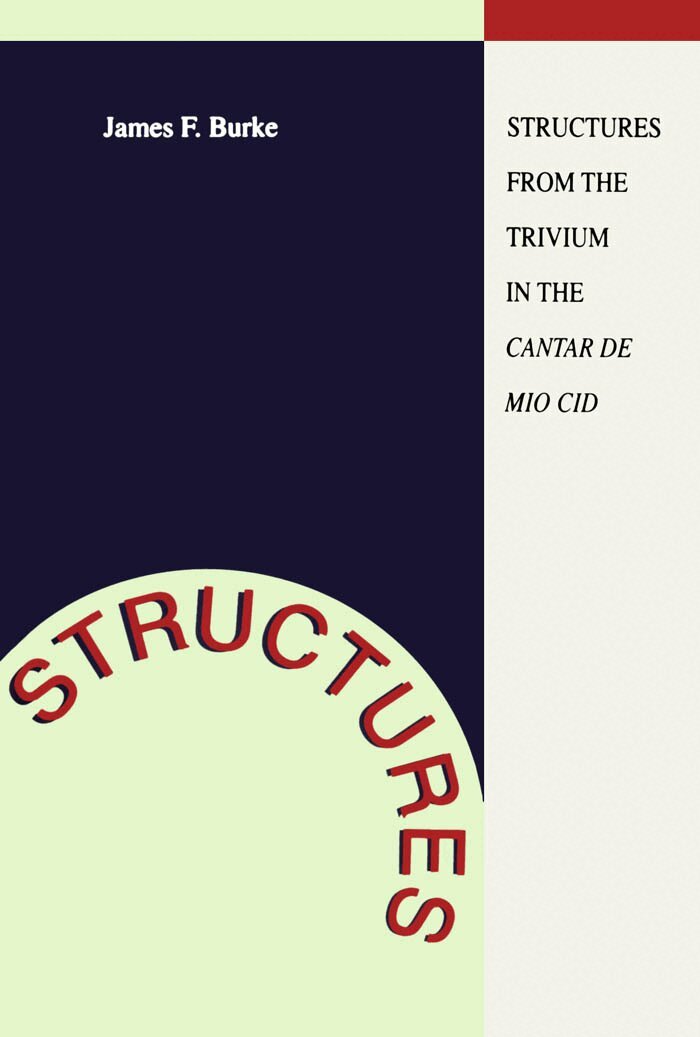
Structures from the Trivium in the Canta
1256 kr
Läs direkt i Bokus Reader – eller ladda ned till din enhet (PDF kräver ofta zoom och scroll på små skärmar).
Beskrivning
The medieval poem Cantar de Mio Cid is one of the great works of Spanish literature. Its precise date is uncertain, and its author has never been identified. Some scholars believe that it was written by many authors who, over time, adapted earlier material. In this study James Burke considers the authorship of the poem as revealed in key structural components. Placing the Cantar de Mio Cid more in the emerging culture of writing than in the sphere of oral poetry, Burke maintains that the text was produced in a manner typical for the Middle Ages by a writer who followed procedures very specific to the period.Medieval writers were invariably educated in the basic subjects of the trivium: grammatica, rhetorica, and dialectica, taught in the 'middle schools' of the twelfth century. In the process they acquired techniques that enabled them to rewrite pre-existing materials of an authoritative character, emphasizing themes and ideas important for contemporaries.Burke argues that someone rewrote epic material having to do with the Cid in this way. Referring to a device described by the twelfth-century Spanish philosopher Dominicus Gundissalinus as 'the imaginative, poetic syllogism,' Burke identifies three instances of the device in the Cantar de Mio Cid. They support themes and motifs of awakening, manifestation, and revelation, and of the hero as exemplar.This volume sheds new light on a central work in Spanish literature and on medieval poetry in general.
Produktinformation
- Utgivningsdatum: 1991-11-30
- Språk: Engelska
- Antal sidor: 239
- Filformat: PDF
- Kopieringsskydd: LCP
- ISBN: 9781442680241
- Förlag: University of Toronto Press
Utforska kategorier
Betyg & recensioner
0 recensioner
Inga recensioner tillgängliga.