

Emotions of the Ancient Greeks
Studies in Aristotle and Classical Literature
E-bok
Engelska, 2007789 kr
Läs direkt i Bokus Reader – eller ladda ned till din enhet
Fler format och utgåvor
Beskrivning
It is generally assumed that whatever else has changed about the human condition since the dawn of civilization, basic human emotions - love, fear, anger, envy, shame - have remained constant. David Konstan, however, argues that the emotions of the ancient Greeks were in some significant respects different from our own, and that recognizing these differences is important to understanding ancient Greek literature and culture.With The Emotions of the Ancient Greeks, Konstan reexamines the traditional assumption that the Greek terms designating the emotions correspond more or less to those of today. Beneath the similarities, there are striking discrepancies. References to Greek 'anger' or 'love' or 'envy,' for example, commonly neglect the fact that the Greeks themselves did not use these terms, but rather words in their own language, such as orgê and philia and phthonos, which do not translate neatly into our modern emotional vocabulary. Konstan argues that classical representations and analyses of the emotions correspond to a world of intense competition for status, and focused on the attitudes, motives, and actions of others rather than on chance or natural events as the elicitors of emotion. Konstan makes use of Greek emotional concepts to interpret various works of classical literature, including epic, drama, history, and oratory. Moreover, he illustrates how the Greeks' conception of emotions has something to tell us about our own views, whether about the nature of particular emotions or of the category of emotion itself.
Produktinformation
Utforska kategorier
Mer om författaren
Innehållsförteckning
Hoppa över listan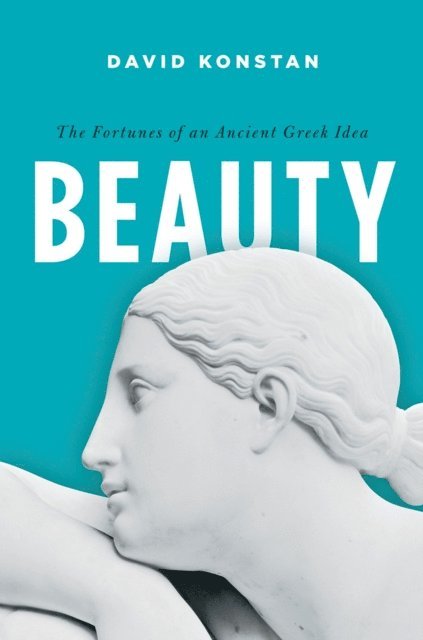





Mer från samma författare
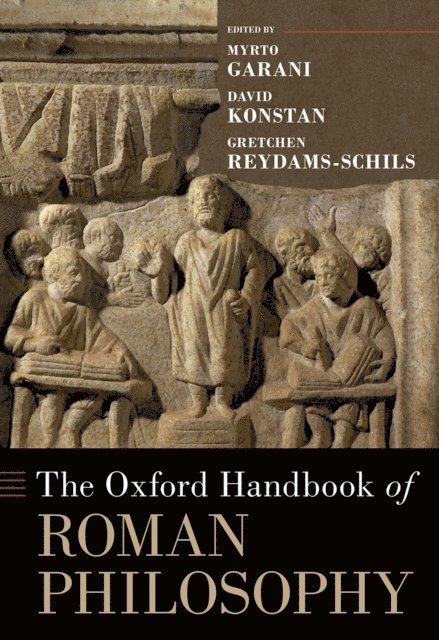
Oxford Handbook of Roman Philosophy
Gretchen Reydams-Schils, David Konstan, Myrto Garani
E-bok
20231 632 kr
The Oxford Handbook of Roman Philosophy
Myrto Garani, David Konstan, Gretchen Reydams-Schils
Inbunden, 2023
2 159 kr
Hoppa över listan






Du kanske också är intresserad av
Sentir con otros
Oscar Alfredo Munoz, Gloria Maria Lopez Arboleda, David Konstan, Cristian Gonzalez, Lourdes Flamarique, Euclides Eslava, Juan Carlos Echeverri Alvarez, Samir Ahmed Dasuky Quiceno, Nataly Coral, Claudia Carbonell, Omar Julian Alvarez Tabares, Sebastian Alvarez Posada, Jesus David Girado Sierra
E-bok
2022115 kr
Del 40
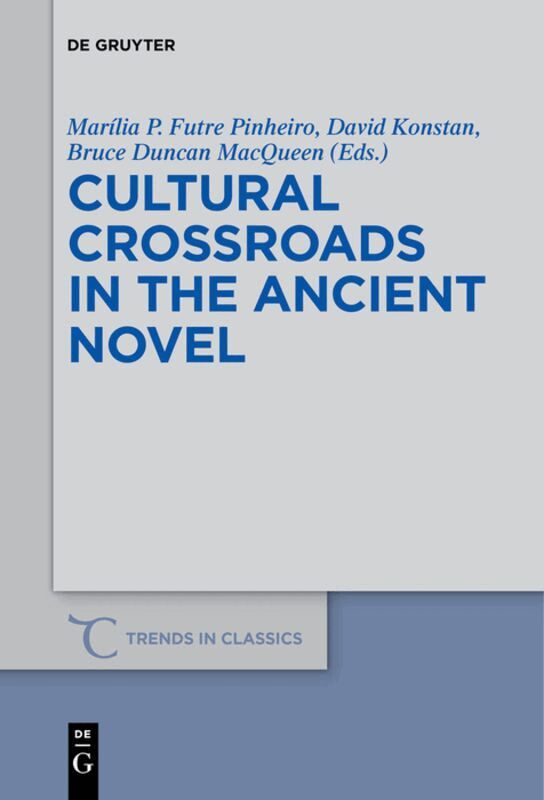
Cultural Crossroads in the Ancient Novel
Marília P. Futre Pinheiro, David Konstan, Bruce Duncan MacQueen
Häftad, 2019
466 kr