• Fri frakt över 249 kr
  • •
  • Snabba leveranser
  • •
  • Billiga böcker
Kundservice

Du är på sajten för privatpersoner.

Företag, bibliotek eller offentlig verksamhet?

Du handlar på classic.bokus.com, där alla dina funktioner finns intakta.
Till classic.bokus.com
Bokus logotyp. Gå till startsidan.
  • Erbjudanden
  • Student
  • Topplistor
  • Barn & ungdom
  • Bokus Play
  • E-böcker
  • Ljudböcker
  • Pocketböcker
  • Spel & pussel

Upp till 25% på utvalda nyheter →

Sidfot

Mina sidor

    Hjälp

    • Kundservice
    • Vanliga frågor och svar
    • Frakt och leverans
    • Retur vid ångerrätt
    • Reklamera vara
    • Betalning
    • Köpvillkor
    • Allmänna villkor
    • Information om webbplatsens tillgänglighet

    Om Bokus

    • Om oss
    • Pressrum
    • För studenter
    • För företag
    • För bibliotek och offentlig verksamhet
    • För leverantörer
    • Hållbarhet

    Populärt

    • Aktuella erbjudanden
    • Presentkort
    • Studentlitteratur
    • Nya böcker
    • Topplistor
    • Signerade böcker
    • Engelska böcker

    Inspiration

    • Boktips
    • BookTok
    • Populära bokserier
    • Barnbokskaraktärer
    • Populära författare
    Logotyp för Bokus
    Följ oss på Facebook (extern länk)Följ oss på Instagram (extern länk)Följ oss på YouTube (extern länk)Följ oss på TikTok (extern länk)
    bokus @ CookiesAnpassa cookiesIntegritetspolicyKöpvillkor
    Till Citymail hemsida (extern länk)Till Budbee hemsida (extern länk)Till Postnord hemsida (extern länk)Till Schenker hemsida (extern länk)Till Early Bird hemsida (extern länk)Till Walleys hemsida (extern länk)
    1. Kultur
    2. Arkitektur

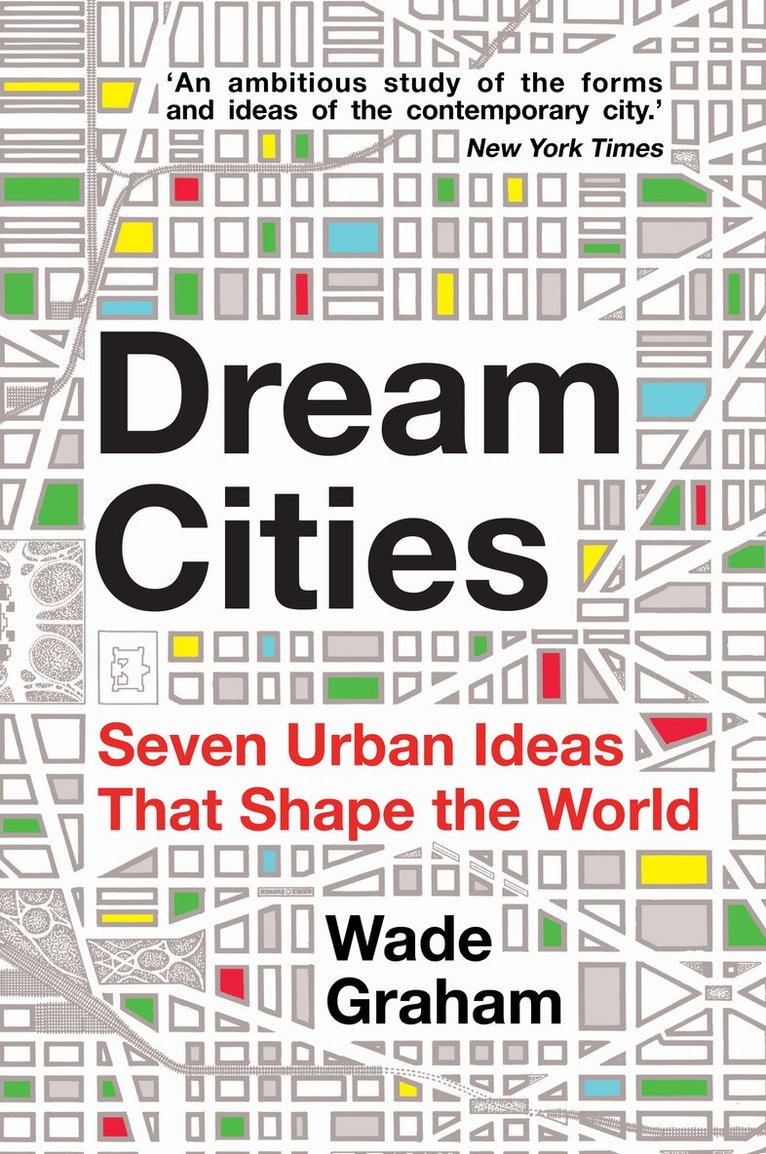
    Dream Cities

    Seven Urban Ideas That Shape the World

    AvWade Graham

    Häftad, Engelska, 2016

    219 kr

    Skickas . Fri frakt över 249 kr.

    Fler format och utgåvor

    Häftad

    296 kr

    E-bok

    114 kr

    Beskrivning

    Dream Cities is a lively, unique and accessible cultural history of modern cities which allows us to view them through the planning, design, architects and movements that inspired and built them. It explores our urban areas in a new way – as expressions of ideas, often conflicting, about how we should live, work, play, make, buy and think – and tells the stories of the people who imagined the cities that became the blueprints for the world we live in.Starting in the nineteenth century and continuing to today, what began as visionary concepts – sometimes utopian, sometimes outlandish, always controversial – were gradually adopted and constructed on a massive scale in cities around the world, from Dubai to Ulan Bator, London to Los Angeles. Our leafy suburbs, city skyscraper districts, infotainment-driven shopping malls and ‘sustainable’ eco-developments are seen here as never before, from the fantasy villages of Bertram Goodhue to the superblocks of Le Corbusier and Frank Lloyd Wright’s Broadacre City.In this elegantly designed and illustrated book, Graham uncovers the original plans of brilliant, obsessed and sometimes megalomaniacal designers, revealing the foundations of today’s varied urban environment. Dream Cities is nothing less than a field guide to our modern world.

    Produktinformation

    • Utgivningsdatum:2016-05-15
    • Mått:156 x 235 x 26 mm
    • Vikt:465 g
    • Format:Häftad
    • Språk:Engelska
    • Antal sidor:336
    • Förlag:Amberley Publishing
    • ISBN:9781445659732

    Utforska kategorier

    • Arkitektur inom Kultur

    Mer om författaren

    Wade Graham is a Los Angeles-based garden designer, historian, and writer whose work on the environment, landscape, urbanism, and the arts has appeared in The New Yorker, Harper's, the Los Angeles Times, Outside, and other publications. He received a BA in comparative literature from Columbia University, and an MA and PhD in U.S. history at UCLA. He teaches urban and environmental policy at the Pepperdine University School of Public Policy. Since 1999, he has been a trustee of Glen Canyon Institute.

    Recensioner i media

    ‘An ambitious study of the forms and ideas of the contemporary city.’