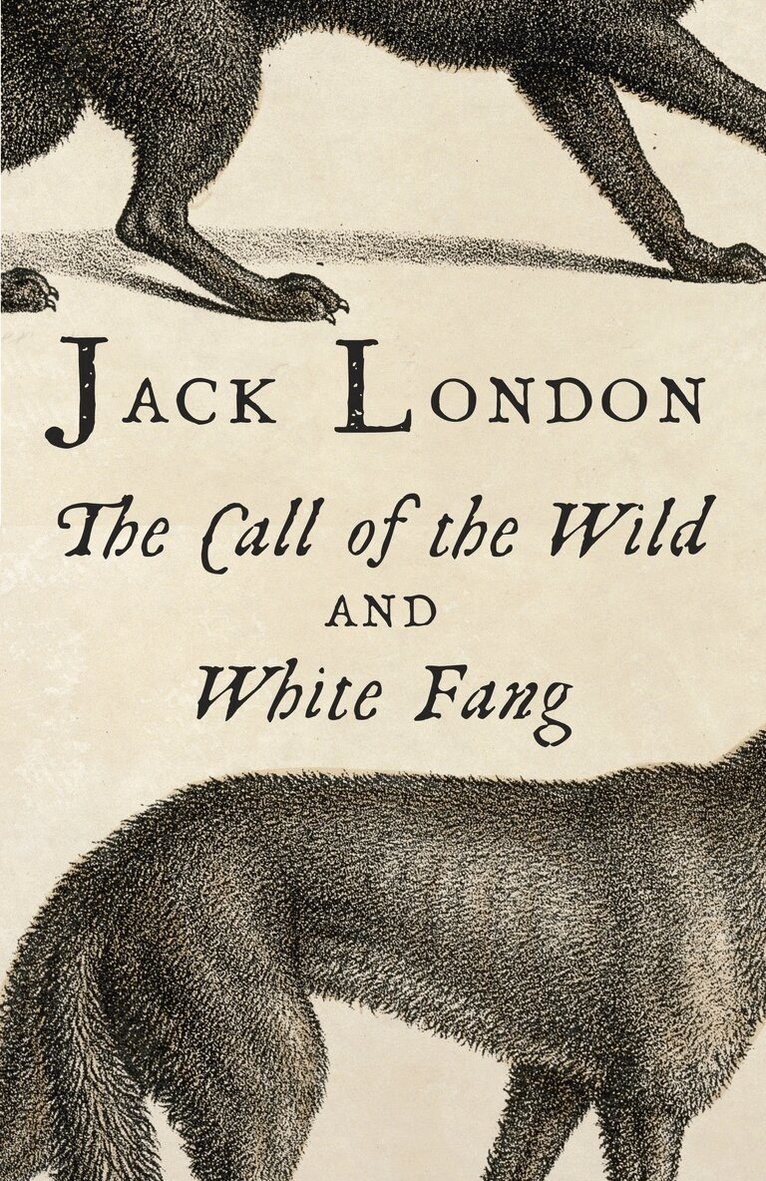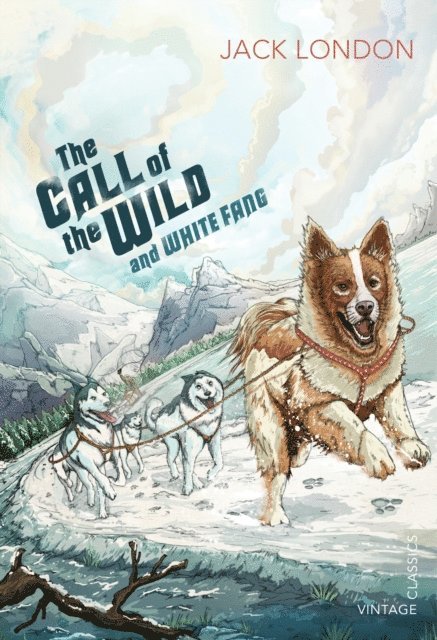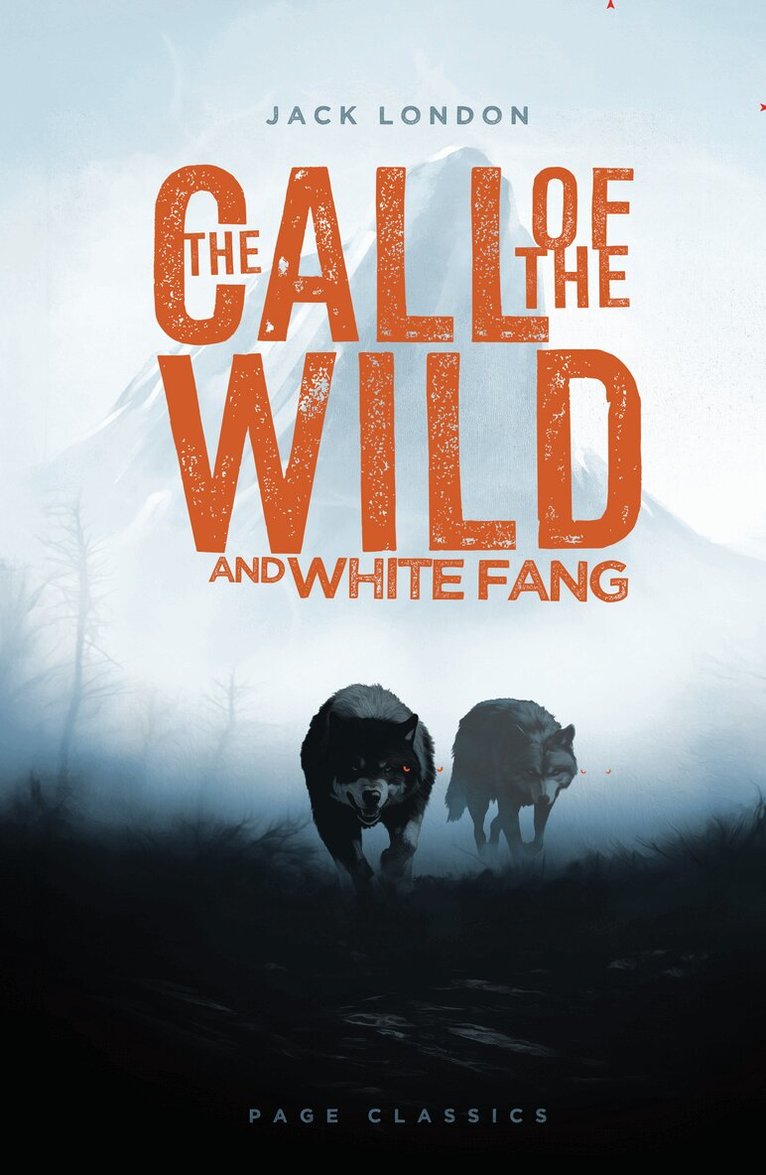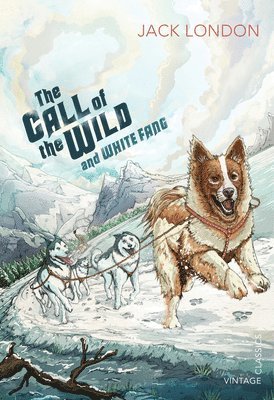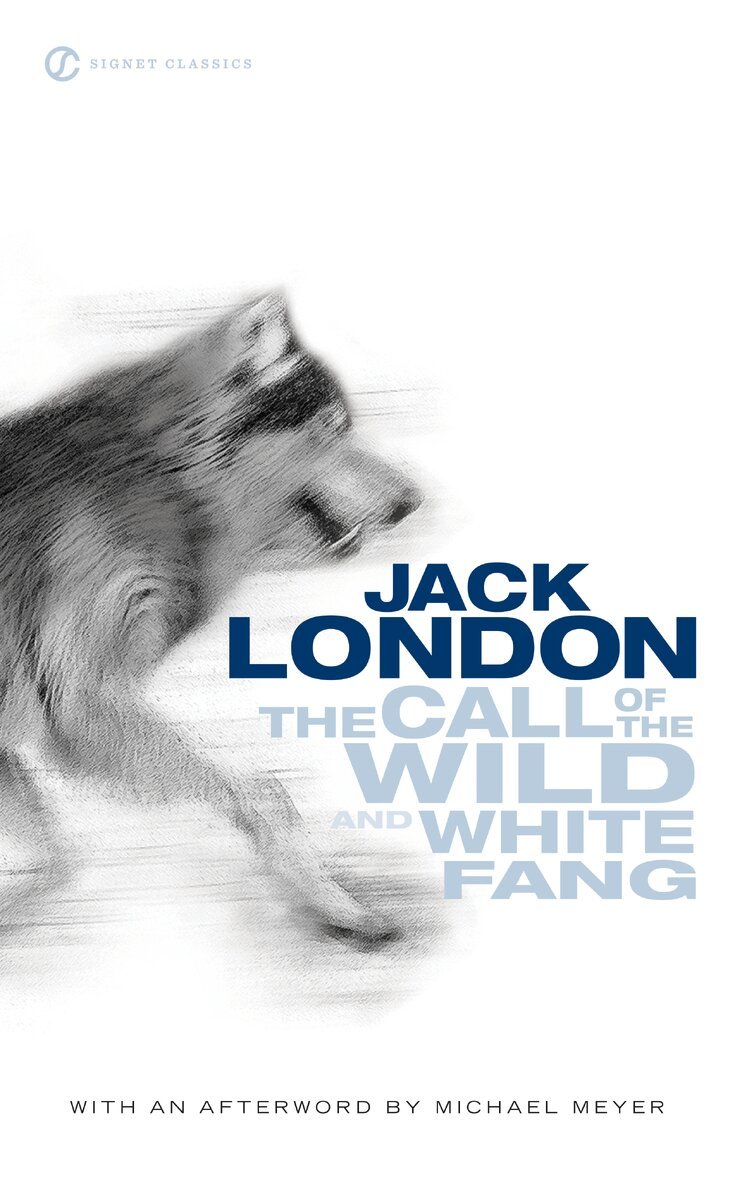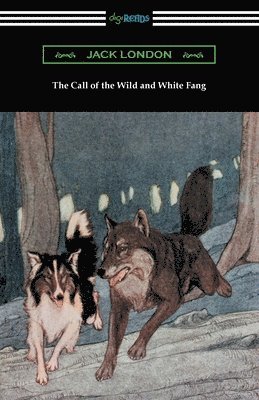
Call of the Wild and White Fang
61 kr
Läs direkt i Bokus Reader – eller ladda ned till din enhet
Du är på sajten för privatpersoner.
61 kr
Läs direkt i Bokus Reader – eller ladda ned till din enhet
Jack London was born into poverty in San Francisco in 1876. Before his success as a novelist, London spent a lot of time avoiding a life as a manual worker and, in the process, experienced many things that became central to his plots. He ran away from home, bought a sailing boat and became an oyster pirate - a story recounted in John Barleycorn. His best-known novel, Call of the Wild, was drawn from his own experience of the Klondike Gold Rush, a time that would inspire many of London's short stories as well. London became addicted to writing after winning a short story competition in the San Francisco Morning Call in 1893. It earned London $25, the equivalent of a month's wages. Dozens of books followed - including John Barleycorn (1913), The Call of the Wild (1903) and White Fang (1906). He published an average of three or four books a year. He died in 1916.
"One hundred and one years after its publication, it is still enthralling. The opening chapters are haunting, their depiction of the wilderness of snow, ice and forest faced by gold prospectors exquisite and terrifying. The menace of ever-present death, for man, dog and wolf alike, in a setting of remorseless beauty, is bracing and humbling" Herald "Raw narratives of visceral appeal whose cinematic energy cry out for film adaptation" -- Robert McCrum Observer "A searing book about man and animals and the inherent wildness in the nature of the dog. It's a very stark book in some ways but it really conjures up the atmosphere of Gold Rush-era Yukon" Daily Express
Du är på sajten för privatpersoner.
61 kr
Läs direkt i Bokus Reader – eller ladda ned till din enhet
Jack London was born into poverty in San Francisco in 1876. Before his success as a novelist, London spent a lot of time avoiding a life as a manual worker and, in the process, experienced many things that became central to his plots. He ran away from home, bought a sailing boat and became an oyster pirate - a story recounted in John Barleycorn. His best-known novel, Call of the Wild, was drawn from his own experience of the Klondike Gold Rush, a time that would inspire many of London's short stories as well. London became addicted to writing after winning a short story competition in the San Francisco Morning Call in 1893. It earned London $25, the equivalent of a month's wages. Dozens of books followed - including John Barleycorn (1913), The Call of the Wild (1903) and White Fang (1906). He published an average of three or four books a year. He died in 1916.
"One hundred and one years after its publication, it is still enthralling. The opening chapters are haunting, their depiction of the wilderness of snow, ice and forest faced by gold prospectors exquisite and terrifying. The menace of ever-present death, for man, dog and wolf alike, in a setting of remorseless beauty, is bracing and humbling" Herald "Raw narratives of visceral appeal whose cinematic energy cry out for film adaptation" -- Robert McCrum Observer "A searing book about man and animals and the inherent wildness in the nature of the dog. It's a very stark book in some ways but it really conjures up the atmosphere of Gold Rush-era Yukon" Daily Express