• Fri frakt över 249 kr
  • •
  • Snabba leveranser
  • •
  • Billiga böcker
Kundservice

Du är på sajten för privatpersoner.

Företag, bibliotek eller offentlig verksamhet?

Du handlar på classic.bokus.com, där alla dina funktioner finns intakta.
Till classic.bokus.com
Bokus logotyp. Gå till startsidan.
  • Erbjudanden
  • Nyheter
  • Student
  • Topplistor
  • Barn & ungdom
  • Bokus Play
  • E-böcker
  • Pocketböcker
  • Spel & pussel

10% rabatt på allt med kod NYSTART10 →

Sidfot

Mina sidor

    Hjälp

    • Kundservice
    • Vanliga frågor och svar
    • Frakt och leverans
    • Retur vid ångerrätt
    • Reklamera vara
    • Betalning
    • Köpvillkor
    • Allmänna villkor
    • Information om webbplatsens tillgänglighet

    Om Bokus

    • Om oss
    • Pressrum
    • För studenter
    • För företag
    • För bibliotek och offentlig verksamhet
    • För leverantörer
    • Hållbarhet

    Populärt

    • Aktuella erbjudanden
    • Presentkort
    • Studentlitteratur
    • Nya böcker
    • Topplistor
    • Signerade böcker
    • Engelska böcker

    Inspiration

    • Boktips
    • BookTok
    • Populära bokserier
    • Barnbokskaraktärer
    • Populära författare
    Logotyp för Bokus
    Följ oss på Facebook (extern länk)Följ oss på Instagram (extern länk)Följ oss på YouTube (extern länk)Följ oss på TikTok (extern länk)
    bokus @ CookiesAnpassa cookiesIntegritetspolicyKöpvillkor
    Till Citymail hemsida (extern länk)Till Budbee hemsida (extern länk)Till Postnord hemsida (extern länk)Till Schenker hemsida (extern länk)Till Early Bird hemsida (extern länk)Till Walleys hemsida (extern länk)
    1. Naturvetenskap och teknik
    2. Teknik och industri
    3. Energiteknik

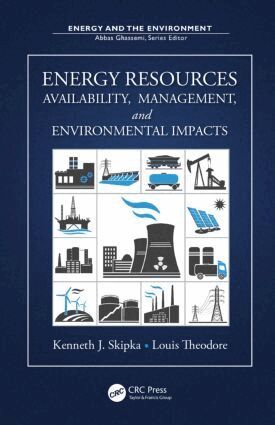
    Energy Resources

    Availability, Management, and Environmental Impacts

    AvKenneth J. Skipka,Louis Theodore

    Inbunden, Engelska, 2014

    Del i serien Energy and the Environment

    1 723 kr

    Tillfälligt slut

    Beskrivning

    The Energy Problem Energy Resources: Availability, Management, and Environmental Impactsidentifies historical increases in demand and a continuing lack of viable management policies for regional and global energy problems. Considering the state and consumption of energy resources on a worldwide level, the authors outline and address three primary issues that they view as growing concerns: the exploitation of current forms of energy, the environmental consequences, and the social and economic ramifications involved.The initial chapters offer an overview of energy management, providing an introduction to energy, energy-related engineering principles, regulations, energy conservation, and sustainability. The book discusses all energy resource forms from fossil fuels to renewable resources. The authors introduce an energy matrix providing an analytical structure that quantitatively can be used to evaluate resource options and their impacts. The concluding chapters provide insight into the driving forces that have shaped energy policy to date and the uncertainties that face future policymakers. The book analyzes various aspects of energy management. It poses concerns and offers solutions, including a proposed approach for developing, organizing, and implementing a national energy plan for the U.S.A Template for Developing an Energy PolicyExamines the issues involved with energy managementExplores the best options for achieving energy independence Provides quantitative approaches to energy policy developmentDiscusses specific structural and analytical approaches to solving energy management problemsThe book considers conservation and the development of new, less expensive energy forms, and the impact these can make in slowing growth in demand while fueling efficiency. It analyzes the availability of traditional energy resources and a method of quantifying their energy, economic, and environmental impacts to provide adequate, inexpensive, long-term energy supplies. It also examines the feasibility of solar power, wind, tidal, geothermal, nuclear, and other less traditional sources of energy.

    Produktinformation

    • Utgivningsdatum:2014-04-22
    • Mått:156 x 234 x 32 mm
    • Vikt:750 g
    • Format:Inbunden
    • Språk:Engelska
    • Serie:Energy and the Environment
    • Antal sidor:485
    • Förlag:Taylor & Francis Inc
    • ISBN:9781466517400

    Utforska kategorier

    • Energiteknik inom Naturvetenskap och teknik
    • Miljövetenskap och miljöpolitik inom Naturvetenskap och teknik

    Mer om författaren

    Kenneth Skipka received a BA degree in natural sciences from Long Island University and an MS in meteorology from Cornell University. In 1986 Mr. Skipka, along with three partners, founded RTP Environmental Associates, Inc. (RTP), an environmental consulting firm specializing in air, water, and solid waste issues for a variety of industries, particularly the power industry. He is currently a principal with RTP Environmental Associates, Inc.; owner of the IT Leasing Company; and, a long-standing member of the Air & Waste Management Association (AWMA). He has authored, collaborated on, and/or published numerous books, technical reports, and papers. Louis Theodorereceived the degrees of MChE and EngScD from New York University and a BChE from The Cooper Union. Over the past 50 years, Dr. Theodore was a successful educator (holding the rank of full professor of chemical engineering), graduate program director (raising extensive financial support from local industries), researcher, professional innovator, and communicator in the engineering field. He has authored 98 text/reference books, over 100 technical papers, and is the author of the recent CRC Press/Taylor & Francis Group risk assessment text Environmental Health and Hazard Risk Assessment: Principles and Calculations.

    Recensioner i media

    "Congratulations to both authors for this contribution to energy management literature. In addition to providing an outstanding review of the energy resources available, they have proposed an energy plan that has the potential of solving the dysfunctional state of our nation’s energy problem. Their plan successfully removes the past negative impacts of regulatory, political, regional, etc., self-serving interests currently impeding the development of an implementable energy plan. The quantification of the pros and cons of all the major contributors to energy resource assessments is another positive feature."––Rita D'Aquino, Technical Editorial Consultant (Former Editor of CEP magazine)"This book provides a broad spectrum of topics in the energy discussion. From fundamental energy principles (e.g. first law of thermodynamics) to energy management and policy, this book is an excellent resource for the energy professional."––James Patrick Abulencia, Ph.D., associate professor, Department of Chemical Engineering, Manhattan College, New York, USA"Skipka and Theodore have brought to life and made very understandable the present energy management dilemma facing society. I was particularly happy to see the chapters on environmental implications and economic considerations included as I believe these must be a particular focal point of any energy policy."—Anthony J. Buonicore, P.E., BCEE, QEP, Chief Executive Officer, Buonicore Partners, Inc

    Innehållsförteckning

    • Section I Basic Principles. Introduction to the Issues. Thermodynamic Principles: Entropy Analysis. Energy Demand. Sustainability and Green Science/Engineering. Energy Regulations. The Modern Energy Matrix: An Overview. Section II Energy Resources: Fossil Fuels. Coal. Oil. Natural Gas. Shale Oil. Tar Sands. Section III Other Energy Resources. Solar Energy. Nuclear Energy. Hydroelectric Energy. Wind Energy. Geothermal Energy. Hydrogen Energy. Biomass Energy. Other Energy Sources. Section IV Aspects of Energy Management. Energy Demand and Distribution Systems. Conservation, Sustainability, and Green Engineering. Environmental Considerations. Economic Considerations. Political Considerations. Challenges Facing Future Energy Policy Makers. Introduction to Energy Policy Issues. Energy–Environmental Interactions. Quantitative Analysis of Energy Management Options. Solving the Energy Management Policy Challenge. Epilogue. Index.