E-bok, Engelska, 2013
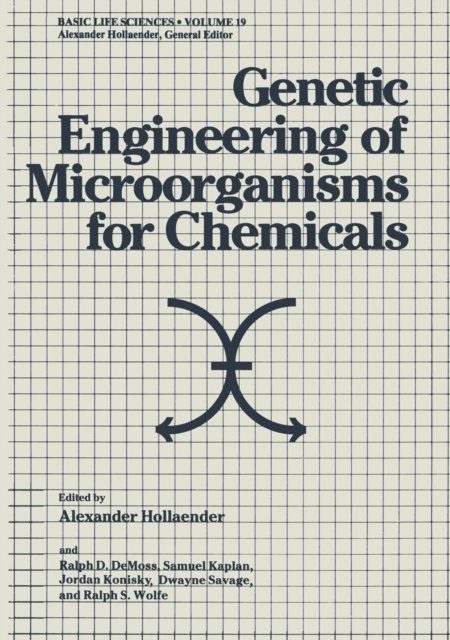
Genetic Engineering of Microorganisms for Chemicals
1470 kr
Läs direkt i Bokus Reader – eller ladda ned till din enhet (PDF kräver ofta zoom och scroll på små skärmar).
Beskrivning
The normal course of most biologically catalyzed processes is tightly regulated at the genetic and physiological levels. The regulatory mechanisms are diverse, sometimes redundant, and it is becoming increasingly apparent that, at the genetic level, the range of mechanisms may be limited only by the permutations and combina tions available. For each microbial cell, evolution appears to have resulted in maximized advantage to that cell, achieving regulatory balance. Genetic engineering encompasses our attempts to perturb the genetic regulation of a cell so that we may obtain desired other than normal outcomes, such as increased product formation, or new product formation. Following the groundwork established by a preceding symposium (Trends in the Biology of Fermentations for Fuels and Chemicals, Brookhaven National Laboratory, December 1980), the initial planning for this conference envisioned the juxtaposition of molecular genetic expertise and microbial biochemical expertise. The resultant interaction should encourage new and extended ideas for the improve ment of strains and for the generation of new regulatory combina tions to enhance microbial chemical production from cheap and abundant (including waste) substrates. The interaction should also demonstrate that new discoveries at the basic level remain essential to progress in genetic engineering. New genetic regulatory combina tions require new studies of physiology and biochemistry to assure understanding and control of the system. New biochemical reactions necessitate new studies of genetic and regulatory interaction.
Produktinformation
- Utgivningsdatum: 2013-04-09
- Språk: Engelska
- Filformat: PDF
- Kopieringsskydd: LCP
- ISBN: 9781468441420
- Förlag: Springer US
Utforska kategorier
Betyg & recensioner
0 recensioner
Inga recensioner tillgängliga.