• Fri frakt över 249 kr
  • •
  • Snabba leveranser
  • •
  • Billiga böcker
Kundservice

Du är på sajten för privatpersoner.

Företag, bibliotek eller offentlig verksamhet?

Du handlar på classic.bokus.com, där alla dina funktioner finns intakta.
Till classic.bokus.com
Bokus logotyp. Gå till startsidan.
  • Erbjudanden
  • Nyheter
  • Student
  • Topplistor
  • Barn & ungdom
  • Bokus Play
  • E-böcker
  • Pocketböcker
  • Spel & pussel

10% rabatt på allt med kod NYSTART10 →

Sidfot

Mina sidor

    Hjälp

    • Kundservice
    • Vanliga frågor och svar
    • Frakt och leverans
    • Retur vid ångerrätt
    • Reklamera vara
    • Betalning
    • Köpvillkor
    • Allmänna villkor
    • Information om webbplatsens tillgänglighet

    Om Bokus

    • Om oss
    • Pressrum
    • För studenter
    • För företag
    • För bibliotek och offentlig verksamhet
    • För leverantörer
    • Hållbarhet

    Populärt

    • Aktuella erbjudanden
    • Presentkort
    • Studentlitteratur
    • Nya böcker
    • Topplistor
    • Signerade böcker
    • Engelska böcker

    Inspiration

    • Boktips
    • BookTok
    • Populära bokserier
    • Barnbokskaraktärer
    • Populära författare
    Logotyp för Bokus
    Följ oss på Facebook (extern länk)Följ oss på Instagram (extern länk)Följ oss på YouTube (extern länk)Följ oss på TikTok (extern länk)
    bokus @ CookiesAnpassa cookiesIntegritetspolicyKöpvillkor
    Till Citymail hemsida (extern länk)Till Budbee hemsida (extern länk)Till Postnord hemsida (extern länk)Till Schenker hemsida (extern länk)Till Early Bird hemsida (extern länk)Till Walleys hemsida (extern länk)
    1. Skönlitteratur
    2. Litteraturvetenskap
    3. Litteraturvetenskap

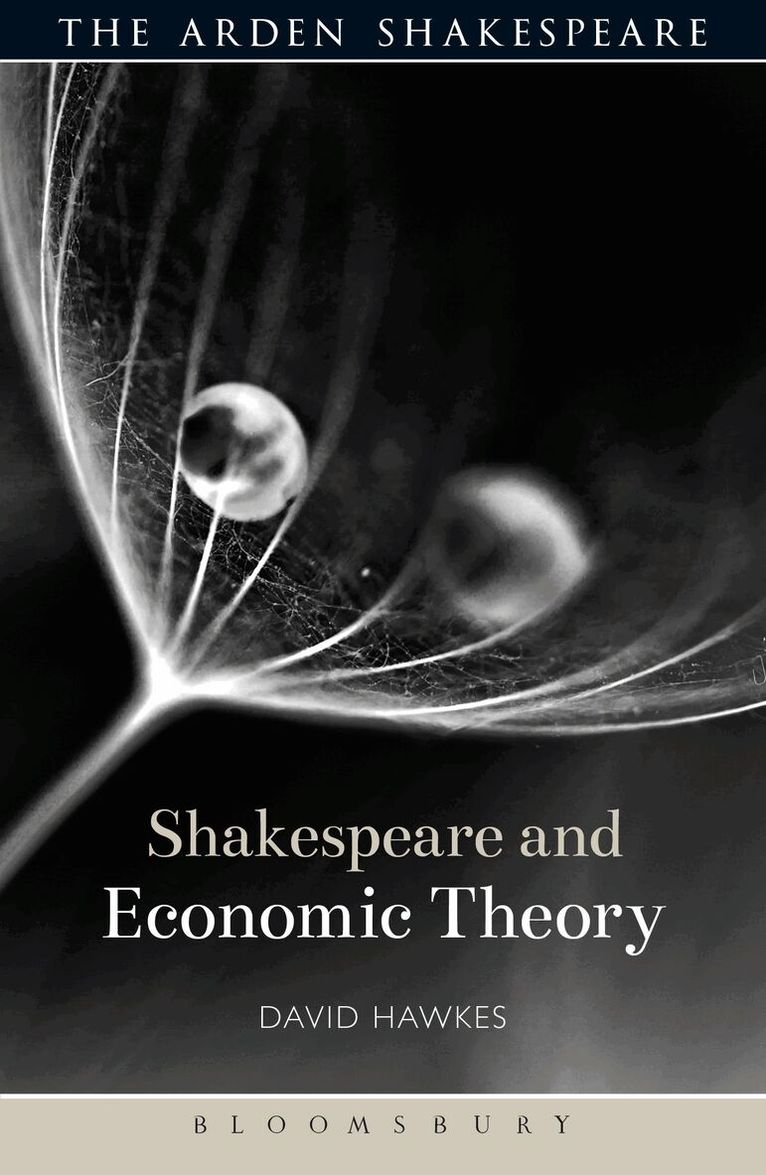
    Shakespeare and Economic Theory

    AvDavid Hawkes,Evelyn Gajowski

    Häftad, Engelska, 2015

    Del i serien Shakespeare and Theory

    455 kr

    Beställningsvara. Skickas inom 10-15 vardagar. Fri frakt över 249 kr.

    Fler format och utgåvor

    Inbunden

    1 765 kr

    E-bok

    486 kr

    E-bok

    486 kr

    Beskrivning

    Over the last 20 years, the concept of 'economic' activity has come to seem inseparable from psychological, semiotic and ideological experiences. In fact, the notion of the 'economy' as a discrete area of life seems increasingly implausible. This returns us to the situation of Shakespeare's England, where the financial had yet to be differentiated from other forms of representation. This book shows how concepts and concerns that were until recently considered purely economic affected the entire range of sixteenth and seventeenth century life. Using the work of such critics as Jean-Christophe Agnew, Douglas Bruster, Hugh Grady and many others, Shakespeare and Economic Theory traces economic literary criticism to its cultural and historical roots, and discusses its main practitioners. Providing new readings of Timon of Athens, King Lear, The Winter’s Tale, The Merchant of Venice, Measure for Measure, Julius Caesar, Macbeth and The Tempest, David Hawkes shows how it can reveal previously unappreciated qualities of Shakespeare’s work.

    Produktinformation

    • Utgivningsdatum:2015-09-24
    • Mått:130 x 196 x 14 mm
    • Vikt:280 g
    • Format:Häftad
    • Språk:Engelska
    • Serie:Shakespeare and Theory
    • Antal sidor:240
    • Förlag:Bloomsbury Publishing PLC
    • ISBN:9781472576972

    Utforska kategorier

    • Litteraturvetenskap inom Skönlitteratur

    Mer om författaren

    David Hawkes is Professor in the Department of English at the Arizona State University, USA.

    Recensioner i media

    In a text rich with illustrations drawn from both the plays and Sonnets, Hawkes shows not only how Shakespeare was fully aware of the economic circumstances in which his work was being received but also how this awareness informed his writing. ... [A] wide-ranging and readable account.

    Innehållsförteckning

    • Series Editor’s Preface Acknowledgements PrefacePART ONE Economics in History and Criticism 1 ‘Will into appetite’: Economics and Chrematistics 2 ‘The future comes apace’: The Birth of Restricted Economy 3 The Last of the Schoolmen: The Marxist Tradition 4 ‘The hatch and brood of time’: Beyond the Economy5 Money as Metaphor: The New Economic Criticism PART TWO Economics in Shakespeare 6 ‘Going to the market-place’: The Commons and the Commodity 7 ‘The soul of trade’: Worth and Value 8 ‘Knaves of common hire’: Wage Labour, Slavery and Reification 9 ‘Unkind abuse’: The Legalization of Usury 10 ‘Lear’s shadow’: Identity, Property and PossessionConclusion: Magic and Alienation NotesBibliography Index