E-bok, Engelska, 2014
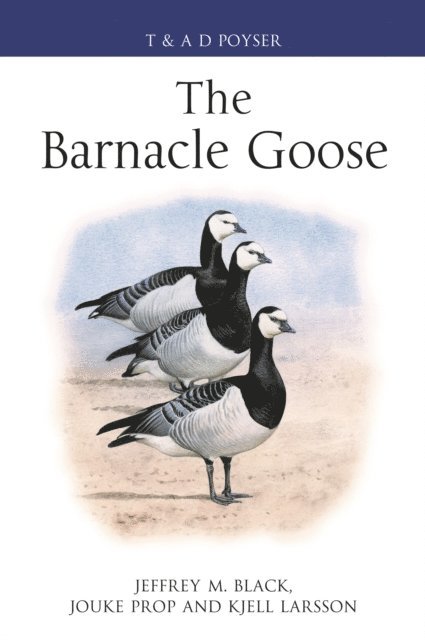
Barnacle Goose
Av Jeffrey M. Black, Jouke Prop, Kjell Larsson
1169 kr
Läs direkt i Bokus Reader – eller ladda ned till din enhet (PDF kräver ofta zoom och scroll på små skärmar).
Beskrivning
The Barnacle Goose, a distinctive, handsome black-and-white bird, gets its name from a mediaeval myth that the birds hatched from barnacles – how else to explain their sudden appearance each autumn in northern Britain? We now know, of course, that the birds migrate from Arctic Russia, Norway and Svalbard to winter throughout northern Europe. This book represents a culmination of more than 25 years of Barnacle Goose research. It represents the story of one of Europe''s most celebrated long-term behavioral studies, detailing the lives of these social and sociable birds.
Chapters include sections on pair formation and bonding, family and population dynamics, brood parasitism, food and feeding, size and shape in different populations, life cycle, survivorship, dispersal, migration, and conservation, with particular regard to climate change. It is a rigorous and thorough examination of the lives of these birds, in fine Poyser tradition.
Chapters include sections on pair formation and bonding, family and population dynamics, brood parasitism, food and feeding, size and shape in different populations, life cycle, survivorship, dispersal, migration, and conservation, with particular regard to climate change. It is a rigorous and thorough examination of the lives of these birds, in fine Poyser tradition.
Produktinformation
- Utgivningsdatum: 2014-12-18
- Språk: Engelska
- Antal sidor: 288
- Filformat: PDF
- Kopieringsskydd: LCP
- ISBN: 9781472919724
- Förlag: Bloomsbury Publishing PLC
- Serie: Poyser Monographs
Utforska kategorier
Betyg & recensioner
0 recensioner
Inga recensioner tillgängliga.