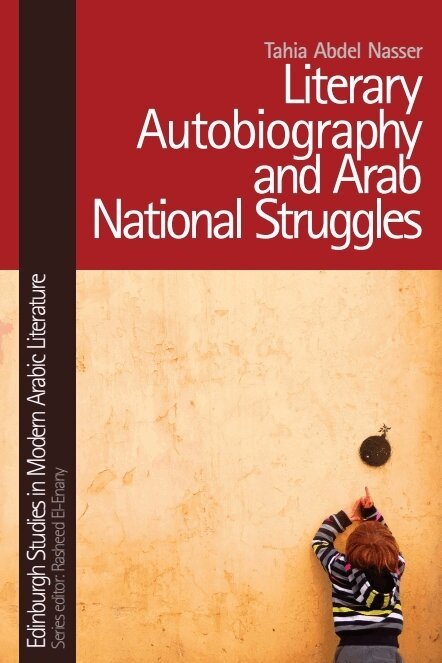
Drawing on memoirs, testimonies, autobiographical novels, poetic autobiography, journals, and diaries, Nasser examines solitude and national struggles in contemporary Arab autobiography.
Tahia Abdel Nasser is Assistant Professor and director of graduate studies in the Department of English and Comparative Literature at the American University in Cairo. She has published in Comparative Literature Studies, Yearbook of Comparative Literature, Alif: Journal of Contemporary Poetics, Journal of Arabic Literature, Dictionary of African Biography (2011), Mahmoud Darwish: The Adam of Two Edens (2001) and The Poetry of Arab Women: A Contemporary Anthology (2001).
Recensioner i media
Clearly, Literary Autobiography and Arab National Struggles constitutes a significant intervention in Arab and autobiographical studies. The original contribution of Nasser’s monograph is not limited to providing a fresh perspective on an “embargoed” genre from the Arab region, to use a Saidian term. An equally significant quality of Nasser’s study lies in her comparative approach through which she draws from the literary traditions of the Global South to analyze Arab literary autobiographical narratives.'
Innehållsförteckning
Series Editor’s ForewordAcknowledgementsA Note on Transliteration and Translation List of AbbreviationsIntroduction: Literary Solitude: Autobiography, Modernity, and Independence1 From Solitude to Stealth: Taha Hussein and Sonallah Ibrahim2 Revolutionary Memoirs: Assia Djebar and Latifa al-Zayyat3 Palestine Song: Mahmoud Darwish and Mourid Barghouti4 Revolutionary Solitude: Edward Said and Najla Said5 Dreaming of Solitude: Haifa Zangana and Alia Mamdouh6 Tahrir Memoirs: Radwa Ashour and Mona PrinceEpilogue: Arab Literature, World LiteratureNotesBibliographyIndex