• Fri frakt över 249 kr
  • •
  • Snabba leveranser
  • •
  • Billiga böcker
Kundservice

Du är på sajten för privatpersoner.

Företag, bibliotek eller offentlig verksamhet?

Du handlar på classic.bokus.com, där alla dina funktioner finns intakta.
Till classic.bokus.com
Bokus logotyp. Gå till startsidan.
  • Erbjudanden
  • Student
  • Topplistor
  • Barn & ungdom
  • Bokus Play
  • E-böcker
  • Ljudböcker
  • Pocketböcker
  • Spel och pussel

5% studentrabatt – använd koden KURSBOK27 →

Sidfot

Mina sidor

    Hjälp

    • Kundservice
    • Vanliga frågor och svar
    • Frakt och leverans
    • Retur vid ångerrätt
    • Reklamera vara
    • Betalning
    • Köpvillkor
    • Allmänna villkor
    • Information om webbplatsens tillgänglighet

    Om Bokus

    • Om oss
    • Pressrum
    • För studenter
    • För företag
    • För bibliotek och offentlig verksamhet
    • För leverantörer
    • Hållbarhet

    Populärt

    • Aktuella erbjudanden
    • Presentkort
    • Studentlitteratur
    • Nya böcker
    • Topplistor
    • Signerade böcker
    • Engelska böcker

    Inspiration

    • Boktips
    • BookTok
    • Barnbokskaraktärer
    • Populära författare
    Logotyp för Bokus
    Följ oss på Facebook (extern länk)Följ oss på Instagram (extern länk)Följ oss på YouTube (extern länk)Följ oss på TikTok (extern länk)
    bokus @ CookiesAnpassa cookiesIntegritetspolicyKöpvillkor
    Till Citymail hemsida (extern länk)Till Budbee hemsida (extern länk)Till Postnord hemsida (extern länk)Till Schenker hemsida (extern länk)Till Early Bird hemsida (extern länk)Till Walleys hemsida (extern länk)
    1. Samhälle och politik
    2. Sociologi och antropologi
    3. Antropologi

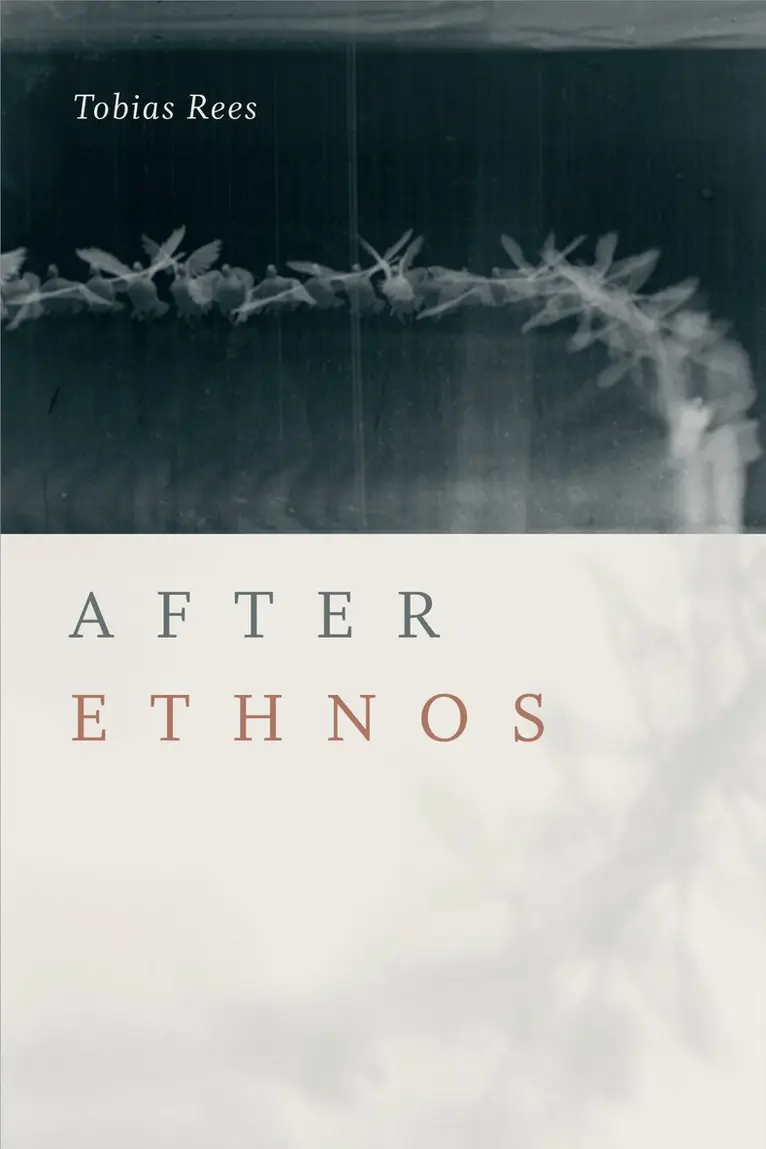
    After Ethnos

    AvTobias Rees

    Häftad, Engelska, 2018

    334 kr

    Beställningsvara. Skickas inom 5-8 vardagar. Fri frakt över 249 kr.

    Fler format och utgåvor

    Inbunden

    1 357 kr

    Beskrivning

    For most of the twentieth century, anthropologists understood themselves as ethnographers. The art of anthropology was the fieldwork-based description of faraway others-of how social structures secretly organized the living-together of a given society, of how a people had endowed the world surrounding them with cultural meaning. While the poetics and politics of anthropology have changed dramatically over the course of a century, the basic equation of anthropology with ethnography-as well as the definition of the human as a social and cultural being-has remained so evident that the possibility of questioning it occurred to hardly anyone. In After Ethnos Tobias Rees endeavors to decouple anthropology from ethnography-and the human from society and culture-and explores the manifold possibilities of practicing a question-based rather than an answer-based anthropology that emanates from this decoupling. What emerges from Rees's provocations is a new understanding of anthropology as a philosophically and poetically inclined, fieldwork-based investigation of what it could mean to be human when the established concepts of the human on which anthropology has been built increasingly fail us.

    Produktinformation

    • Utgivningsdatum:2018-11-30
    • Mått:152 x 229 x 11 mm
    • Vikt:318 g
    • Format:Häftad
    • Språk:Engelska
    • Antal sidor:192
    • Förlag:Duke University Press
    • ISBN:9781478000808

    Utforska kategorier

    • Antropologi inom Samhälle och politik

    Mer om författaren

    Tobias Rees is Reid Hoffman Professor at the New School of Social Research, a director of the Los Angeles-based Berggruen Institute, and a Fellow of the Canadian Institute for Advanced Research. He is the coauthor of Designs for an Anthropology of the Contemporary, also published by Duke University Press, and author of Plastic Reason: An Anthropology of Brain Science in Embryogenetic Terms.

    Innehållsförteckning

    • what if . . .  ixacknowledgments  xiintroduction. all of it  11. on anthropology (free from ethnos)  7anthropology and philosophy (differently)  17philosophy/Philosophy  25thought/abstract, thought/concrete (the problem with modernism)  28escaping (the already thought and known)  322. "of" the human (after "the human")  34cataloguing  45antihumanism  49a disregard for theory  52no ontology  553. on fieldwork (itself)  70assemblages (or how to study difference in time?)  84not history  93epochal (no more)  954. on the actual (rather than the emergent)  97the new/different (of movement/in terms of movement)  108why and to what end ends (philosophy, politics, poetry)  1105. coda (a dictionary of anthropological common places)  113one last question  118notes  121bibliography  151index  169