• Fri frakt över 249 kr
  • •
  • Snabba leveranser
  • •
  • Billiga böcker
Kundservice

Du är på sajten för privatpersoner.

Företag, bibliotek eller offentlig verksamhet?

Du handlar på classic.bokus.com, där alla dina funktioner finns intakta.
Till classic.bokus.com
Bokus logotyp. Gå till startsidan.
  • Erbjudanden
  • Nyheter
  • Student
  • Topplistor
  • Barn & ungdom
  • Bokus Play
  • E-böcker
  • Pocketböcker
  • Spel & pussel

10% rabatt på allt med kod: NYSTART10 →

Sidfot

Mina sidor

    Hjälp

    • Kundservice
    • Vanliga frågor och svar
    • Frakt och leverans
    • Retur vid ångerrätt
    • Reklamera vara
    • Betalning
    • Köpvillkor
    • Allmänna villkor
    • Information om webbplatsens tillgänglighet

    Om Bokus

    • Om oss
    • Pressrum
    • För studenter
    • För företag
    • För bibliotek och offentlig verksamhet
    • För leverantörer
    • Hållbarhet

    Populärt

    • Aktuella erbjudanden
    • Presentkort
    • Studentlitteratur
    • Nya böcker
    • Topplistor
    • Signerade böcker
    • Engelska böcker

    Inspiration

    • Boktips
    • BookTok
    • Populära bokserier
    • Barnbokskaraktärer
    • Populära författare
    Logotyp för Bokus
    Följ oss på Facebook (extern länk)Följ oss på Instagram (extern länk)Följ oss på YouTube (extern länk)Följ oss på TikTok (extern länk)
    bokus @ CookiesAnpassa cookiesIntegritetspolicyKöpvillkor
    Till Citymail hemsida (extern länk)Till Budbee hemsida (extern länk)Till Postnord hemsida (extern länk)Till Schenker hemsida (extern länk)Till Early Bird hemsida (extern länk)Till Walleys hemsida (extern länk)
    1. Skönlitteratur
    2. Litteraturvetenskap
    3. Litteraturvetenskap

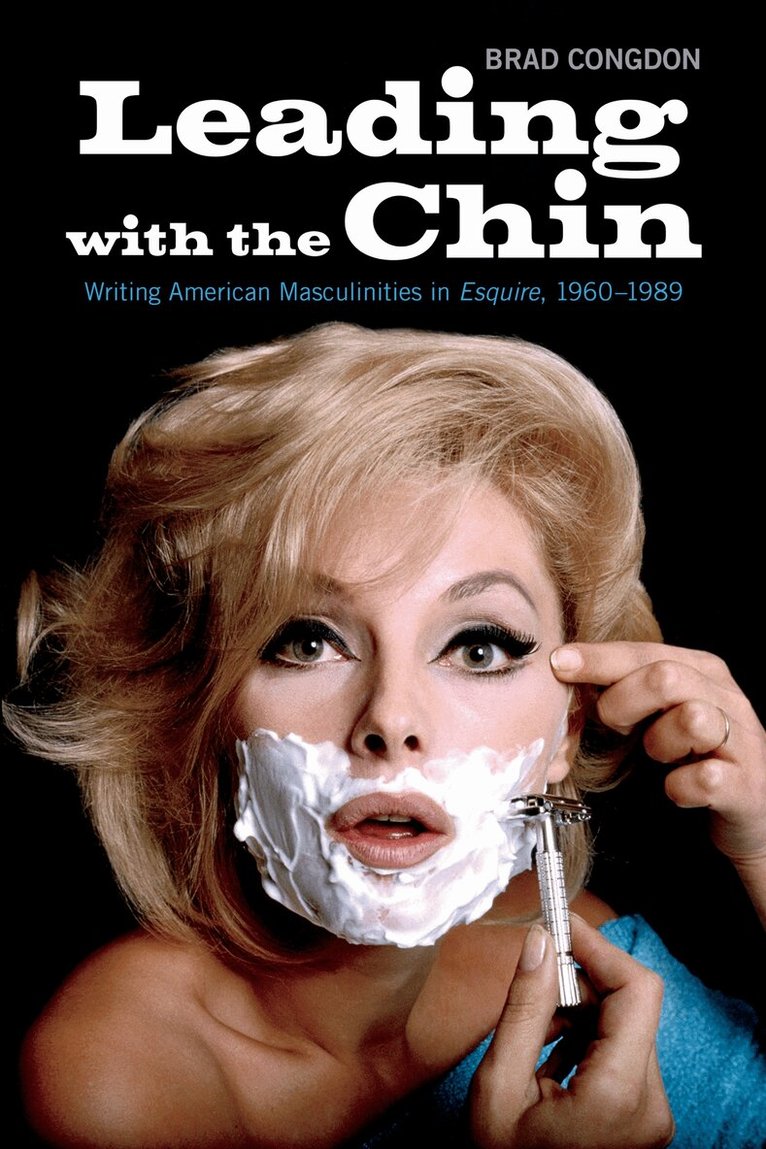
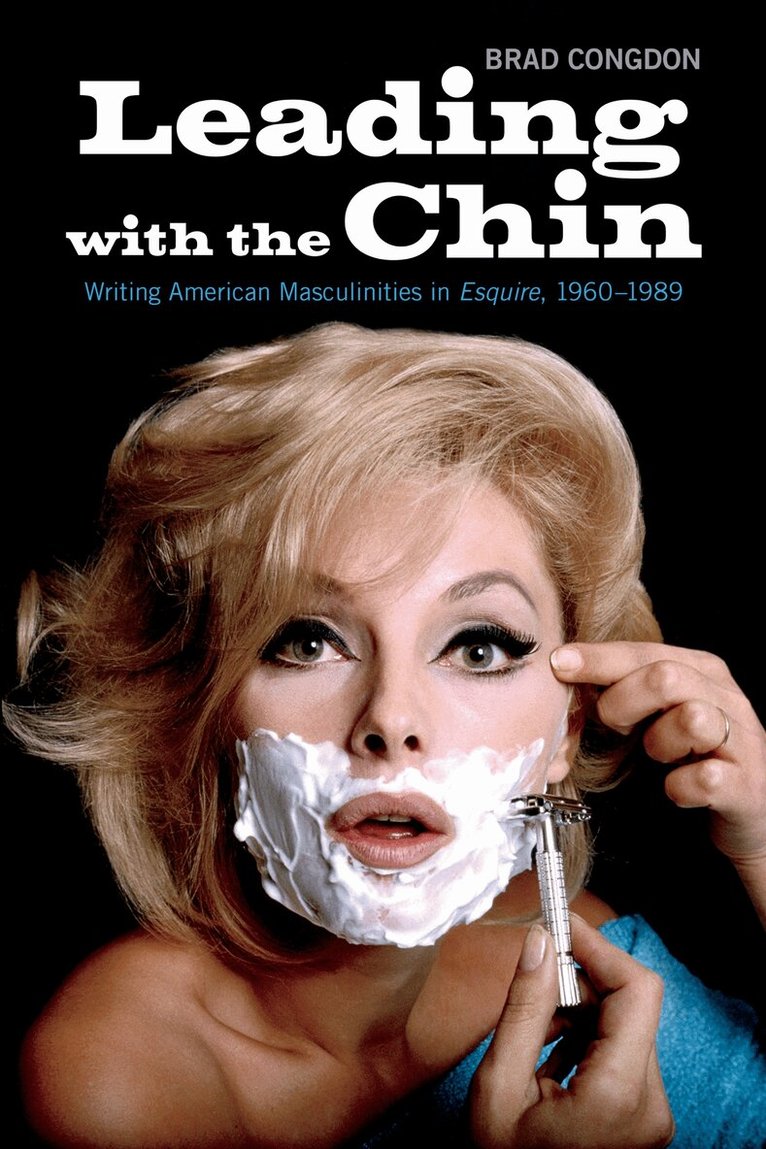
    Leading with the Chin

    Writing American Masculinities in Esquire, 1960–1989

    AvBrad Congdon

    E-bok
    Engelska, 2018

    492 kr

    Läs direkt i Bokus Reader – eller ladda ned till din enhet

    Fler format och utgåvor

    E-bok

    490 kr

    Häftad

    402 kr

    Beskrivning

    Leading with the Chin focuses on the Esquire writings of James Baldwin, Truman Capote, Raymond Carver, Don DeLillo, Norman Mailer, and Tim O’Brien to examine how these authors negotiated important shifts in American masculinity. Using the works of these six authors as case studies, Leading with the Chin argues that Esquire permitted writers to confront national fantasies of American masculinity as they were impacted by the rise of neoliberalism, civil rights and gay rights, and the cultural dominance of the professional-managerial class.

    Applying the methodologies of periodical studies and the theoretical concerns of masculinity studies, this book recontextualizes the prose and fiction of these authors by analyzing them in the material context of the magazine. Relating each author’s articulation of masculinity to the advertisements, editorials, and articles published in each issue, Leading with the Chin shows that Esquire reflected and helped to shape the forces that structured American masculinity in the twentieth century.

    Produktinformation

    • Utgivningsdatum:2018-11-23
    • Språk:Engelska
    • Antal sidor:288
    • Filformat:EPUB
    • Kopieringsskydd:LCP
    • ISBN:9781487515966
    • Förlag:University of Toronto Press

    Utforska kategorier

    • Litteraturvetenskap inom Skönlitteratur

    Mer om författaren

    Brad Congdon received his PhD from Dalhousie University, where he is an Instructor in Gender & Women’s Studies and English.

    Innehållsförteckning

    • AcknowledgmentsIntroduction: The Crisis of Masculinity and the Problem of IdentityTheoretical and Methodological BackgroundCase Study: November 1958Chapter BreakdownPart One: Recovering Masculinity in the 1960s1 American Dreams, Gendered Nightmares1. The Crisis of Masculinity and the Problem of Conformity2. Hegemonic Masculinity in An American Dream3. An American Dream and Esquire Magazine4. Conclusion2 Cooling It with James Baldwin1. Baldwin's Critique of Hegemonic Masculinity2. Baldwin's Queer Critique of Race in Esquire3. "James Baldwin Tells Us All How to Cool It This Summer"4. ConclusionPart Two: "The Richness of Life Itself" in the 1970s3 Low-Rent Tragedies of Beset Manhood1. "The Market Represents": Esquire, Carver, and Consumer Realism2. Carver's First Esquire Story: "Neighbors" and the "Space" of Advertising3. "What Is It?" and "Collectors" – Reified Masculinities, Diminished Selfhood4. Conclusion4 True Men and Queer Spaces in Truman Capote's Answered Prayers1. Gay Visibility and Esquire's Queer '70s2. Capote's Critique of Heteronormativity3. Fugitives from the Gender Order: Best-Kept Boys and Queer Utopias4. ConclusionPart Three: Cold Warriors of the 1980s5 Sexual Fallout in Tim O'Brien's The Nuclear Age1. Cold War Discourse and Gender Trouble in The Nuclear Age2. Cold Warriors and Cowboys: "Somewhere the Duke Is Smiling"3. Retrenching the Domestic Sphere in "Grandma's Pantry"4. "Ovaries Like Hand Grenades": Emphasized Femininities in The Nuclear Age5. Conclusion6 Don DeLillo in the American Kitchen1. "Men in Small Rooms": American Masculinity, American Kitchens2. "Suck in That Gut, America!": JFK's Exemplary Masculinities3. Getting a Grip on the Runaway World: The Author as Exemplary Masculinity4. ConclusionConclusion: How to Be a ManNotesWorks CitedIndex