• Fri frakt över 249 kr
  • •
  • Snabba leveranser
  • •
  • Billiga böcker
Kundservice

Du är på sajten för privatpersoner.

Företag, bibliotek eller offentlig verksamhet?

Du handlar på classic.bokus.com, där alla dina funktioner finns intakta.
Till classic.bokus.com
Bokus logotyp. Gå till startsidan.
  • Erbjudanden
  • Nyheter
  • Student
  • Topplistor
  • Barn & ungdom
  • Bokus Play
  • E-böcker
  • Pocketböcker
  • Spel & pussel

10% rabatt på allt med kod: NYSTART10 →

Sidfot

Mina sidor

    Hjälp

    • Kundservice
    • Vanliga frågor och svar
    • Frakt och leverans
    • Retur vid ångerrätt
    • Reklamera vara
    • Betalning
    • Köpvillkor
    • Allmänna villkor
    • Information om webbplatsens tillgänglighet

    Om Bokus

    • Om oss
    • Pressrum
    • För studenter
    • För företag
    • För bibliotek och offentlig verksamhet
    • För leverantörer
    • Hållbarhet

    Populärt

    • Aktuella erbjudanden
    • Presentkort
    • Studentlitteratur
    • Nya böcker
    • Topplistor
    • Signerade böcker
    • Engelska böcker

    Inspiration

    • Boktips
    • BookTok
    • Populära bokserier
    • Barnbokskaraktärer
    • Populära författare
    Logotyp för Bokus
    Följ oss på Facebook (extern länk)Följ oss på Instagram (extern länk)Följ oss på YouTube (extern länk)Följ oss på TikTok (extern länk)
    bokus @ CookiesAnpassa cookiesIntegritetspolicyKöpvillkor
    Till Citymail hemsida (extern länk)Till Budbee hemsida (extern länk)Till Postnord hemsida (extern länk)Till Schenker hemsida (extern länk)Till Early Bird hemsida (extern länk)Till Walleys hemsida (extern länk)
    1. Skönlitteratur
    2. Litteraturvetenskap

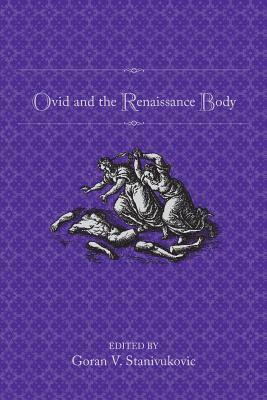
    Ovid and the Renaissance Body

    AvGoran Stanivukovic

    Häftad, Engelska, 2001

    559 kr

    Beställningsvara. Skickas inom 5-8 vardagar. Fri frakt över 249 kr.

    Beskrivning

    Body has been one of the main preoccupations of current Renaissance historiography and current critical theory. Both the literary representation of the body and the construction of the material body in Renaissance anatomical and medical discourses have been used to explore the dynamics of early modern sexuality, gender, and society. Yet the influence of Ovid's texts on the construction of the Renaissance discourses of gender, sexuality, and subjectivity has not been fully explored.This collection of original essays uses contemporary theory to examine Renaissance writers' reworking of Ovid's texts in order to analyze the strategies in the construction of the early modern discourses of gender, sexuality, and writing. The volume is divided into three parts. Part I explores literary and dramatic allusions to Ovid in relation to early modern ideologies of subjectivity and anxieties about identification and desire. Part II illustrates the appropriation of Ovidian myths by poets and dramatists interested in the articulation of agency. Part III demonstrates how various points of intertextuality between Ovid and English Renaissance writers ranging from Marlowe to Milton contributed to early modern epistemologies and discourse of embodiment, spectatorship, and print culture.

    Produktinformation

    • Utgivningsdatum:2001-10-02
    • Mått:152 x 229 x 17 mm
    • Vikt:1 g
    • Format:Häftad
    • Språk:Engelska
    • Antal sidor:400
    • Förlag:University of Toronto Press
    • ISBN:9781487524197

    Utforska kategorier

    • Litteraturvetenskap inom Skönlitteratur
    • Litteraturvetenskap inom Skönlitteratur

    Mer om författaren

    Goran Stanivukovic is a professor in the English Department at Saint Mary’s University in Halifax, Nova Scotia.

    Innehållsförteckning

    • AcknowledgmentsIntroduction: Ovid and the Renaissance BodyGoran V. Stanivukovic, Saint Mary’s University Part I: Identification and DesireOvidian Subjectivities in Early Modern Lyric: Identification and Desire in Petrarch and Louise LabéCarla Freccero, University of California at Santa CruzImagining Heterosexuality in the EpylliaJim Ellis, University of CalgaryInversion, Metamorphosis, and Sexual Difference: Female Same-Sex Desire in Ovid and LylyMark Dooley, University of TeessideA Garden of Her Own: Marvell’s Nymph and the Order of NatureMorgan Holmes, Wilfrid Laurier University‘Male deformities’: Narcissus and the Reformation of Courtly Manners in Cynthia's RevelsMario Digangi, CUNY.Arms and the Women: The Ovidian Eroticism of Harington’s AriostoIan Frederick Moulton, Arizona State UniversityPart II: Speech, Voice, and EmbodimentLocalizing Disembodied Voice in Sandys’s Englished ‘Narcissus and Echo’Gina Bloom, Lawrence UniversityThe Ovidian Hermaphrodite: Moralizations by Peend and SpenserMichael Pincombe, University of Newcastle upon TyneOvid and the Dilemma of the Cuckold in English Renaissance DramaBruce Boehrer, Florida State University Part Ill: TextualizationLyrical Wax in Ovid, Marlowe, and DonneRaphael Lyne, New Hall, CambridgeEngendering Metamorphoses: Milton and the Ovidian CorpusElizabeth Sauer, Brock UniversityThe Girl He Left Behind: Ovidian imitatio and the Body of Echo in Spenser’s ‘Epithalamion’Judith Deitch, University of Toronto‘If that which is lost be not found’: Monumental Bodies, Spectacular Bodies in The Winter’s TaleLori Humphrey Newcomb, University of Illinois at Urbana-Champaign AfterwordValerie Traub, University of MichiganContributorsIndex