• Fri frakt över 249 kr
  • •
  • Snabba leveranser
  • •
  • Billiga böcker
Kundservice

Du är på sajten för privatpersoner.

Företag, bibliotek eller offentlig verksamhet?

Du handlar på classic.bokus.com, där alla dina funktioner finns intakta.
Till classic.bokus.com
Bokus logotyp. Gå till startsidan.
  • Erbjudanden
  • Nyheter
  • Student
  • Topplistor
  • Barn & ungdom
  • Bokus Play
  • E-böcker
  • Pocketböcker
  • Spel & pussel

10% rabatt på allt med kod: NYSTART10 →

Sidfot

Mina sidor

    Hjälp

    • Kundservice
    • Vanliga frågor och svar
    • Frakt och leverans
    • Retur vid ångerrätt
    • Reklamera vara
    • Betalning
    • Köpvillkor
    • Allmänna villkor
    • Information om webbplatsens tillgänglighet

    Om Bokus

    • Om oss
    • Pressrum
    • För studenter
    • För företag
    • För bibliotek och offentlig verksamhet
    • För leverantörer
    • Hållbarhet

    Populärt

    • Aktuella erbjudanden
    • Presentkort
    • Studentlitteratur
    • Nya böcker
    • Topplistor
    • Signerade böcker
    • Engelska böcker

    Inspiration

    • Boktips
    • BookTok
    • Populära bokserier
    • Barnbokskaraktärer
    • Populära författare
    Logotyp för Bokus
    Följ oss på Facebook (extern länk)Följ oss på Instagram (extern länk)Följ oss på YouTube (extern länk)Följ oss på TikTok (extern länk)
    bokus @ CookiesAnpassa cookiesIntegritetspolicyKöpvillkor
    Till Citymail hemsida (extern länk)Till Budbee hemsida (extern länk)Till Postnord hemsida (extern länk)Till Schenker hemsida (extern länk)Till Early Bird hemsida (extern länk)Till Walleys hemsida (extern länk)
    1. Samhälle och politik
    2. Politik och statsskick
    3. Internationella relationer

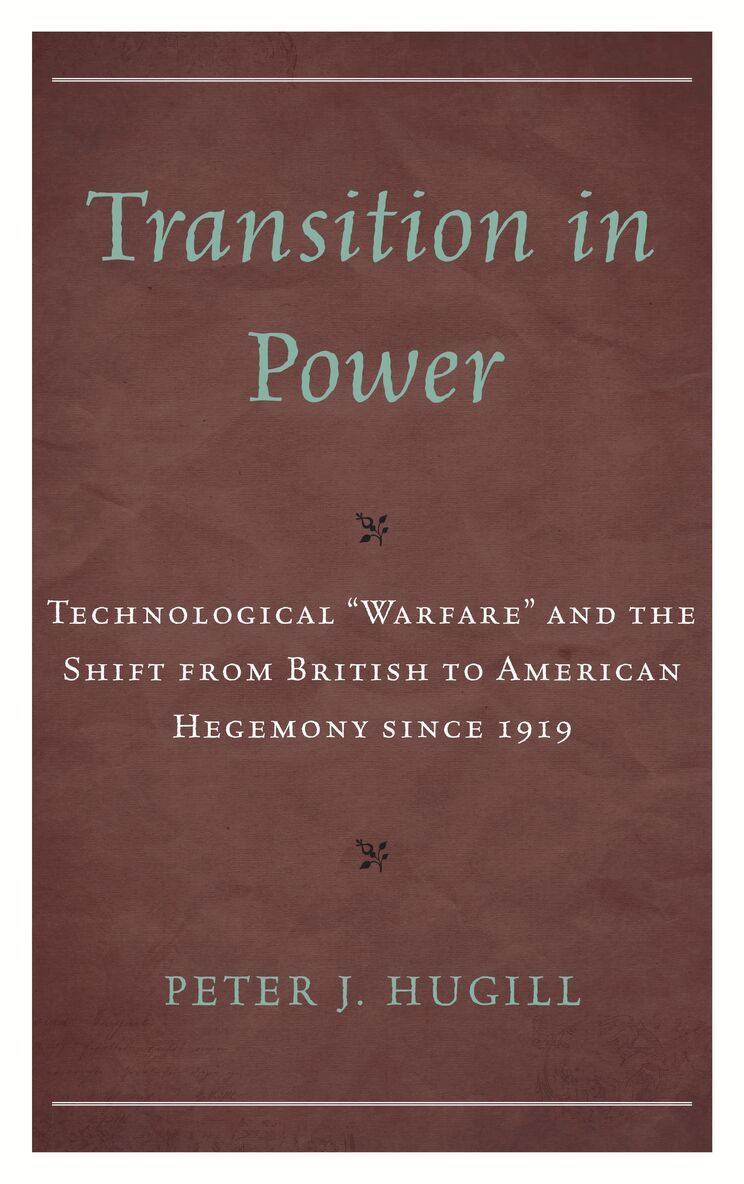
    Transition in Power

    Technological “Warfare” and the Shift from British to American Hegemony since 1919

    AvPeter J. Hugill

    Inbunden, Engelska, 2018

    1 533 kr

    Beställningsvara. Skickas inom 10-15 vardagar. Fri frakt över 249 kr.

    Beskrivning

    Hegemonic transitions are never clear, and they usually emerge from a period of multi-polarity in the world-system. Two types of state tend to contend for power: trading states and territorial states, although most states are never “pure” and tend to contain within them multiple polities with different agendas. This book describes the hegemonic transition between two major trading states, Britain and America. British decline began in the late Victorian era, but the transition to American power was slow, and other states also sought hegemony. Transitions between trading states focus on economic struggle, though struggles between trading and territorial states and between territorial states are marked by armed conflict. In 1919 President Woodrow Wilson saw three arenas of competition developing between Britain and America: in international transportation, international communication, and petroleum. But Britain was challenged economically by America as early as 1861 via the Morrill Tariff, her economic hegemony was gone by the 1880s, and she was “defeated” by 1947. From the 1880s on both America and Germany sought to replace Britain as hegemonic power not only through their implementation of protectionist economic policies, but also through the adoption of revised versions of the world-economy, through new technologies, and, in the case of Germany, military power. Britain struggled to stay in place. Britain’s world-economy was that of a pure trading state. Maritime trade in organic materials was organized through global capitalism and control over submarine cable telecommunications rather than territorial possession. America’s rise was greatly helped by being a capitalist power in possession of a secure territorial base in the mid-section of the North American continent, but America suffered from multiple polities competing for power, with the South particularly problematic. Germany developed a radically new world-economy that synthesized resources using organic chemistry. German science and technology began to diffuse to American corporate laboratories before World War One. After that war, diffusion to American laboratories and universities was massive and helped secure American hegemony.

    Produktinformation

    • Utgivningsdatum:2018-08-15
    • Mått:158 x 242 x 28 mm
    • Vikt:494 g
    • Format:Inbunden
    • Språk:Engelska
    • Antal sidor:336
    • Förlag:Bloomsbury Publishing Plc
    • ISBN:9781498544221
    • Utmärkelser:Winner of Stratfor Book Award for Geopolitical Analysis 2018

    Utforska kategorier

    • Internationella relationer inom Samhälle och politik

    Mer om författaren

    Peter J. Hugill is professor emeritus of geography at Texas A&M University.

    Recensioner i media

    Peter Hugill is a gifted scholar whose insights, particularly into the impact of technology, enable him to craft complex and novel explanations. In this book he does not disappoint. Drawing on the three themes of transport, communications and oil, he then nests them within a framework structured from a concept of transition, cultural perspectives and the impact of technology to produce a compelling narrative of the transition of pre-eminent world power from Britain to the United States.

    Innehållsförteckning

    • AcknowledgmentsChapter 1: The Nature of Transition Struggles and the Background to the Anglo-American StruggleChapter 2: The Struggle over the Evolution of the Military and Merchant MarinesChapter 3: The Struggle over Air Power and TechnologyChapter 4: The Struggle over TelecommunicationsChapter 5: The Struggle over BroadcastingChapter 6: The Oil War: The Struggle to Control the Middle Eastern Oil Spigot after World War OneChapter 7: Multi-polarity to Hegemony. The switch from British to American hegemony through Australian eyesConclusionBibliographyAbout the Author