
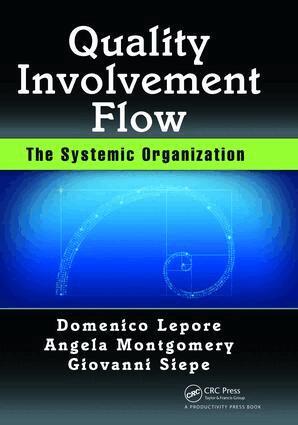
Quality, Involvement, Flow
The Systemic Organization
Häftad, Engelska, 2016
729 kr
Beställningsvara. Skickas inom 10-15 vardagar. Fri frakt över 249 kr.
Fler format och utgåvor
Beskrivning
Current organizations underperform due to silo thinking. Artificial barriers frustrate efforts and perpetuate an organizational model no longer adequate for the complexity of the current business world. Leaders and managers must acquire a whole-system perspective for their organizations to be sustainable. This book provides the overview, knowledge and tools to create a practical shift for 21st century management. The “Theory of everything” for management; an evolved and more scientific Fifth Discipline plus field book for contemporary managers. It follows on from Deming and Goldratt: The Decalogue that continues to sell today and is based on over ten years of implementation.
Produktinformation
- Utgivningsdatum:2016-08-18
- Mått:178 x 254 x 24 mm
- Vikt:453 g
- Format:Häftad
- Språk:Engelska
- Antal sidor:240
- Förlag:Taylor & Francis Inc
- ISBN:9781498755887
Utforska kategorier
Mer om författaren
Dr. Domenico Lepore is an organizational scientist whose focus is on systemic manage- ment. He developed the Decalogue™ management methodology, together with Oded Cohen, world- renowned expert in the Theory of Constraints. The Decalogue provides a method for whole system transformation, from conventional, silo thinking to a systemic vision and practice. Domenico and Oded coauthored the book Deming-and-Goldratt: The Decalogue, published in the United States in 1999 by Dr. Goldratt’s publisher, North River Press. This was the first book on the Theory of Constraints to be published by North River Press that was not authored by Dr. Goldratt himself. Domenico’s background is in experimental physics and he has developed an original insight into the design of organizations as networks of projects. He has led successful implementations of the Decalogue in dozens of organizations for almost two decades and unique applications of Theory of Constraints to highly complex business environments. Dr. Angela Montgomery has been partner of Domenico Lepore since cofounding their first Decalogue company in Milan, Italy in 1996. She has contributed over the years to the develop- ment, dissemination, and communication of the Decalogue methodology. Since moving to North America, she has developed a special interest in working with the Thinking Processes from the Theory of Constraints to bring systemic thinking for positive change to organizations. Angela has a PhD from London University in literature and science and has always been interested in crossing cultural boundaries. She blogs regu- larly for Intelligent Management and is author of the business novel The Human Constraint set in New York during the years of financial crisis. This book illustrates the power of a systemic approach and how it can point the way toward a sustainable future. Dr. Giovanni Siepe has a background in theo- retical physics. His research work on General Relativity has been cited internationally. He began working as a researcher in the microelectronics industry and he has developed patents in the field of power integrated circuits. He continued his career as a manager in the plastics/material industry, where he developed sig- nificant experience in international marketing. Over the last 12 years, Giovanni has worked at the advancement and dissemination of the Decalogue methodology, first leading the creation and development of algorithms and software (in liaison with the University of Salerno) for the management of complex systems, and later improving its integration with the use of Statistical Methods for managing organizational interdependencies.
Recensioner i media
Select Guide Rating
Innehållsförteckning
- 1. Navigating the New Complexity...................................................11.1 Dividing Things Up Is No Longer the Answer..................................21.2 Useful Lessons from Science: From Parts to Whole...........................31.3 The Organization: A Whole That Is Much More Than theSum of Its Parts...................................................................................41.4 New Leadership...................................................................................51.5 What Is a Leader?................................................................................61.6 Leadership and Knowledge................................................................61.7 Leadership and Selflessness................................................................71.8 Quality, Involvement, Flow.................................................................81.9 Leadership Thinking: Framing the Change as a Conflict..................92. Why Are We Stuck? The Inherent Conflict of Organizations.....112.1 What’s Wrong with a Hierarchy?.......................................................122.2 The Silo Sickness...............................................................................122.3 The Inherent Conflict in Any Organization.....................................142.4 Finding a Solution to the Hierarchy Conflict....................................172.5 A New Kind of Organization: Coordination Instead ofFunctional Reporting.........................................................................192.6 The Challenge of the Solution to the Hierarchy Conflict................203. Where Does the Knowledge to Move Forward Come From?The Giant Contributions of Dr. Deming and Dr. Goldratt..........233.1 Quality and Involvement through Deming......................................253.2 Flow and the Theory of Constraints.................................................274. What Is an Organization? The Fundamental Constituents.........314.1 A Closer Look at the Four Essential Constituents ofan Organization.................................................................................324.2 New Awareness about Interactions..................................................344.3 Stakeholders and Corporate Social Responsibility...........................354.4 A New Organizational Design..........................................................355. How Can We Blend the Deming and Goldratt Principles in a Practical Way?......................................................................375.1 How a Deming and Goldratt Methodology Emerged......................385.2 Understanding the Organization as a System: Flowchartingthe Processes.....................................................................................435.3 Variation and Its Importance for Managing Organizations asSystems..............................................................................................455.4 Variation and Complexity.................................................................455.5 Prediction versus Forecast.................................................................475.6 Adding the Constraint to the Organization Viewed as a System.......485.7 The Need for a Constraint................................................................495.8 Protecting the Constraint: The “Buffer”............................................545.9 Managing Variation and Constraint(s)..............................................555.10 The New Organization: Rolling Out the Solution ofthe “Choked” System.........................................................................576. Why Projects Can Become the Backbone ofthe New Organization.................................................................616.1 How People Come to Work Together: Process and Project............616.2 Systemic Project Management...........................................................626.3 The Critical Chain Approach to Project Management......................636.4 What Does a Systemic Project Manager Do?....................................646.5 Quality, Involvement, and Flow through Project Management.......656.6 The Constraint and Project Management.........................................686.7 What Does This Mean for a Leader? Toward theOrganizational Design of a Network of Projects.............................706.8 A New Organizational Design Calls for a New Leadership.............717. Making the Change Operational: The Network of Projects.......737.1 What Is a Network and How Do Networks Behave?.......................747.2 Complex Networks and Real Organizations....................................757.3 Connecting “Organizations as Complex Networks” withthe Decalogue Methodology.............................................................767.4 Networks, Organizations, and Variation...........................................787.5 Optimizing Resources through the Organization as a Networkof Projects..........................................................................................797.6 A New Kind of Hierarchy.................................................................817.7 The Cognitive Challenge...................................................................827.8 Career Paths and the Systemic Organization...................................837.9 Achieving So Much More..................................................................848. Ten Steps for Designing, Measuring, Managing,and Improving the System..........................................................858.1 Scope and Purpose of the Decalogue Methodology.......................858.2 Optimizing the System......................................................................868.3 What to Change, What to Change to, and How to Makethe Change Happen..........................................................................878.4 The Decalogue in Three Fundamental Phases................................888.5 The 10 Steps of the Decalogue.........................................................909. Why Do We Get Stuck on the Path of Transformation?The Inherent Conflict of Change................................................999.1 Change and Consciousness...............................................................999.2 The Constancy of Change...............................................................1009.3 Looking at the Conflict Cloud of Change....................................... 1019.4 Change and Leadership...................................................................1039.5 Core Conflicts..................................................................................1049.6 Levels of Resistance to Change.......................................................10510. The New Intelligence: Intelligent Emotions and How toFoster a New Systemic Intelligence..........................................10910.1 Systemic Thinking to Inform Decisions and Minimize Risk.......10910.2 The Cognitive Constraint: Relearning to Think........................... 11010.3 The Cognitive Shift....................................................................... 11110.4 The Tools We All Need................................................................. 11210.5 Shifting Beyond the Hierarchical Mindset................................... 11410.6 The Pattern for Change with the Thinking Process Tools.......... 11410.7 Building the Core Conflict Cloud................................................. 11510.8 Finding the Breakthrough Solution with “Injections”..................12010.9 The Future Reality Tree................................................................12110.10 A Real-life Example from Core Conflict to Future Reality Tree...... 12110.11 Creating the Continuum from Systemic Strategy to Action.........13010.12 Gathering and Deploying Knowledge to Reach the Goal........... 13110.13 How to Cause the Change—Obstacles Along the Road to Change..............................................................................................13210.14 Making the Change Happen with the Transition Tree................13310.15 To Summarize: The Cycle of the Thinking Process Toolsin the Decalogue...........................................................................13510.16 Understanding, Knowledge, and Science in a ConsciousOrganization..................................................................................13611. New Intelligence—New Leadership—New Economics.............13911.1 Role of the Leader...........................................................................13911.2 New Leadership Methods and Tools.............................................. 14111.3 Leading with Critical Chain............................................................. 14211.4 Leading with the Thinking Process Tools and IntelligentEmotions.......................................................................................... 14211.5 A New Economics........................................................................... 14511.6 Flawed Economic Models............................................................... 14711.7 A New Outlook on Value and Wealth............................................ 14712. Essential Knowledge for Leaders and Managers (So They Can Manage Systemically Without Being Experts in Everything)..........15112.1 Where Can We Learn the Right Stuff?............................................ 15112.1.1 The Problem with Business Schools Today......................... 15212.1.2 The Business School Conflict............................................... 15412.1.3 A New Systemic Learning Pattern for Complexity.............. 15512.1.4 Mindset, Values, and Ethics.................................................. 15612.1.5 A Word About Experience................................................... 15712.2 Where Do We Start? A Systems View............................................. 15812.2.1 Being Process Oriented........................................................ 15812.2.2 Mapping the System with Flowcharts..................................16012.2.3 Getting Started...................................................................... 16212.2.4 Setting the Goal of the System.............................................16612.3 The Two Major Keys to Management: Variation and Constraint.......16712.3.1 Variation and Management Decisions.................................. 16712.3.2 Understanding Variation.......................................................16912.3.3 Variation and Processes........................................................ 17012.3.4 Working with Variation......................................................... 17112.3.5 Gathering Data...................................................................... 17112.3.6 How to Make a Process Behavior Chart.............................. 17512.3.7 Prediction and Forecast........................................................ 17612.3.8 Stability and Quality............................................................. 17612.3.9 Specification Limits and Behavior Limits.............................17712.3.10 Variation and the Fallacies of Budgets andPerformance Assessment....................................................18112.4 Synchronous Management: Choosing and Managingthe Constraint..................................................................................18212.4.1 The Systemic Model and Performance.................................18312.4.2 Unbalancing a System around the Constraint.....................18412.4.3 Protecting and Controlling the System: BufferManagement..........................................................................18512.4.4 Subordinating to the Constraint: Buffers and Variation......18612.4.5 Using Control Charts to Size the Buffer...............................18912.4.6 The Buffer and Performance Indicators...............................19012.5 Improving Flow Company-wide.....................................................19012.5.1 Improving Flow through Systemic ProjectManagement (Critical Chain)................................................ 19312.5.2 Why Projects Fail.................................................................. 19412.5.3 The Problem of Milestones and Multitasking...................... 19512.5.4 Interdependencies and Variation..........................................19612.5.5 Measuring the Progress of the Project................................. 19712.5.6 The Decalogue Approach: A Project is a System................19812.6 Measuring Our Progress Toward the Goal the TOC Way.............20212.6.1 Constraints, Dynamics, and Organizations..........................20312.6.2 Indicators from the Theory of Constraints..........................20412.6.3 A Brief Digression on Speed and Time...............................20612.6.4 The Constraint and Cash Generation...................................20712.6.5 Situation 1: Market Constraint..............................................20812.6.6 Situation 2: Internal Constraint.............................................20812.6.7 The P&Q Exercise.................................................................20912.7 Interacting Systemically along the Chain with Customers andSuppliers..........................................................................................21312.7.1 Finding Agreements that Maximize Value for theWhole Chain.........................................................................21312.7.2 Marketing and Sales as Systemic Activities(External Constraint)............................................................. 21412.7.3 Win–Win Sales...................................................................... 21612.8 Continuous Breakthrough, Innovation, and PersonalDevelopment................................................................................... 21812.8.1 Creating the Right Network of Conversationsthrough the Thinking Process Tools.................................... 21912.8.2 Intelligent Emotions..............................................................22012.8.3 Involving the Individual at Every Level in theOrganization.........................................................................22112.8.4 Overview of the Essential Knowledge Patternfor Leaders and Managers....................................................223
Hoppa över listan
Mer från samma författare
From Silos to Network: A New Kind of Science for Management
Domenico Lepore, Angela Montgomery, Giovanni Siepe, Francesco Siepe
Häftad, 2023
516 kr
From Silos to Network: A New Kind of Science for Management
Francesco Siepe, Giovanni Siepe, Angela Montgomery, Domenico Lepore
E-bok
2023650 kr
Hoppa över listan



Du kanske också är intresserad av
- 10% rabatt på allt
From Silos to Network: A New Kind of Science for Management
Domenico Lepore, Angela Montgomery, Giovanni Siepe, Francesco Siepe
Häftad, 2023
516 kr
From Silos to Network: A New Kind of Science for Management
Francesco Siepe, Giovanni Siepe, Angela Montgomery, Domenico Lepore
E-bok
2023650 kr
Den fjärde väggen
Victor Pavic Lundberg
Inbunden, 2026
4,7 utav 5 stjärnor. Totalt antal röster:(3)
259 kr
- Signerad!
Del 3
- 10% rabatt på allt
Del 11