Self-Reflexive Art of Don DeLillo
2 245 kr
Beställningsvara. Skickas inom 10-15 vardagar. Fri frakt över 249 kr.
Du är på sajten för privatpersoner.
2 245 kr
Beställningsvara. Skickas inom 10-15 vardagar. Fri frakt över 249 kr.
Graley Herren is Professor and Chair of English at Xavier University, USA. He is the author of Samuel Beckett’s Plays on Film and Television (2007). He is editor of five volumes in the Text & Presentation book series.
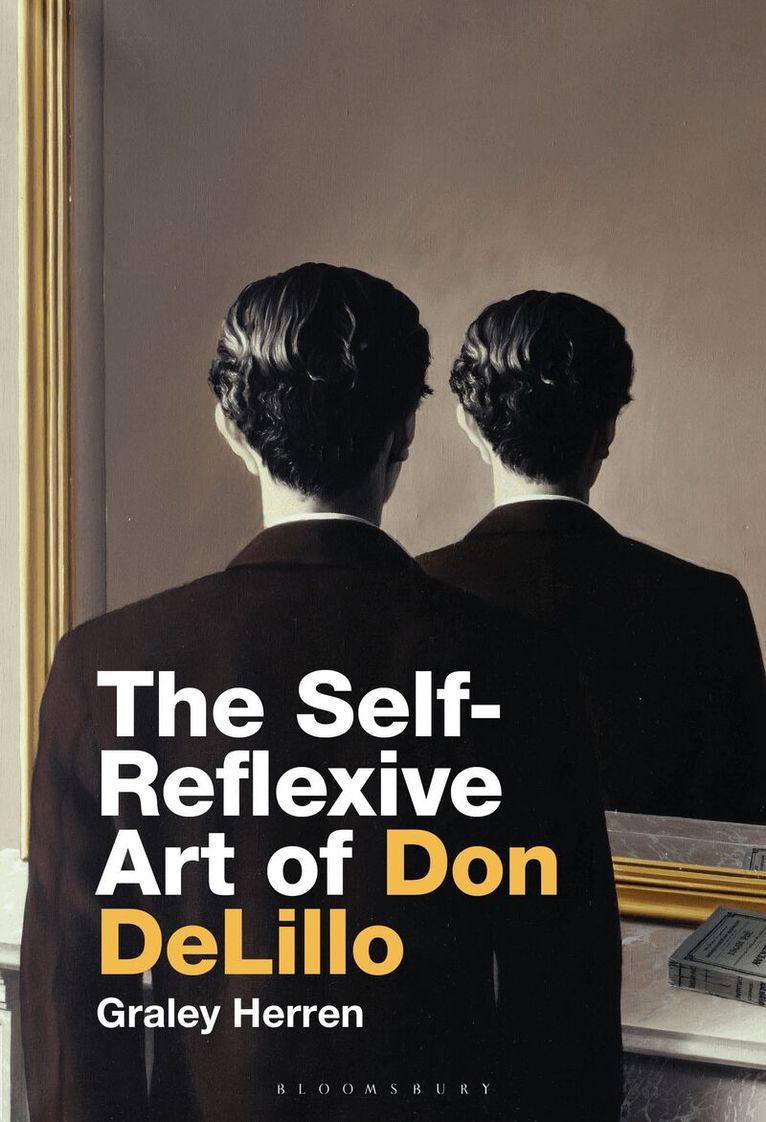
Herren (Xavier Univ.) analyzes a metafictional motif that permeates DeLillo’s entire body of work—mirrors or mirrored realities. He argues that DeLillo and DeLillo’s artist/narrator characters create fictional worlds and represent reality through their art. He also contends that spectators within DeLillo’s works, as in reality, project their personal preoccupations onto art, thereby making art as self-reflexive for observers as it is for the artists who create it. Herren chooses to investigate self-reflexivity in what he deems the most relevant of DeLillo’s texts: he dedicates two chapters apiece to Underworld and Zero K and in other chapters focuses on Americana, Libranth, and later works. In a creative turn at the book’s end, Herren offers a coda in which he recounts a pertinent dream regarding DeLillo and his work. Extensive endnotes elaborate on points throughout the text. Summing Up: Recommended
Du är på sajten för privatpersoner.
2 245 kr
Beställningsvara. Skickas inom 10-15 vardagar. Fri frakt över 249 kr.
Graley Herren is Professor and Chair of English at Xavier University, USA. He is the author of Samuel Beckett’s Plays on Film and Television (2007). He is editor of five volumes in the Text & Presentation book series.
Herren (Xavier Univ.) analyzes a metafictional motif that permeates DeLillo’s entire body of work—mirrors or mirrored realities. He argues that DeLillo and DeLillo’s artist/narrator characters create fictional worlds and represent reality through their art. He also contends that spectators within DeLillo’s works, as in reality, project their personal preoccupations onto art, thereby making art as self-reflexive for observers as it is for the artists who create it. Herren chooses to investigate self-reflexivity in what he deems the most relevant of DeLillo’s texts: he dedicates two chapters apiece to Underworld and Zero K and in other chapters focuses on Americana, Libranth, and later works. In a creative turn at the book’s end, Herren offers a coda in which he recounts a pertinent dream regarding DeLillo and his work. Extensive endnotes elaborate on points throughout the text. Summing Up: Recommended