- Nyhet
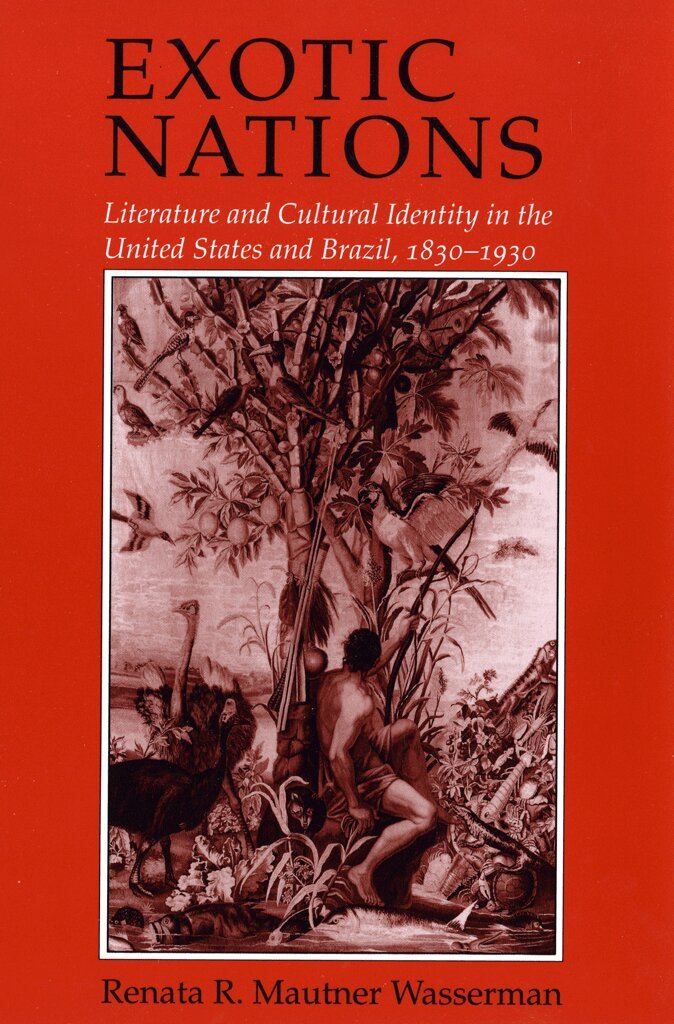
Exotic Nations
Literature and Cultural Identity in the United States and Brazil, 1830–1930
312 kr
Beställningsvara. Skickas inom 10-15 vardagar. Fri frakt över 249 kr.
Du är på sajten för privatpersoner.
312 kr
Beställningsvara. Skickas inom 10-15 vardagar. Fri frakt över 249 kr.
Renata R. Mautner Wasserman has retired as Professor of English at Wayne State University.
Exotic Nations is a well-documented, analytical, and yet readable account. Its original arguments and historical analyses, which dispel the myth of exoticism as a superficial by-product of romanticism and shows its importance as a discourse of identity, apply to other national literatures of the Americas.- Erik Camayd-Freixas (Canadian Review of Comparative Literature) Brazilian literature is slowly beginning to gain the respect and attention it so richly deserves. Interestingly, this long-overdue discovery of Brazil has largely come about as a function of Brazil's presence as an 'American,' or 'New World,' culture. This, in fact, provides precisely the context for Renata Wasserman's very enlightening and critically informed study, Exotic Nations. Taking a major step toward drawing Brazilian literature out of the isolation that has long plagued its recognition as a major national literature, Wasserman argues convincingly that in the crucial first decades following political independence, writers in both Brazil and the United States simultaneously assimilated and challenged European notions of the 'exotic' New World in a conscious effort to forge new national identities.- Earl E. Fitz (Comparative Literature Studies)
Du är på sajten för privatpersoner.
312 kr
Beställningsvara. Skickas inom 10-15 vardagar. Fri frakt över 249 kr.
Renata R. Mautner Wasserman has retired as Professor of English at Wayne State University.
Exotic Nations is a well-documented, analytical, and yet readable account. Its original arguments and historical analyses, which dispel the myth of exoticism as a superficial by-product of romanticism and shows its importance as a discourse of identity, apply to other national literatures of the Americas.- Erik Camayd-Freixas (Canadian Review of Comparative Literature) Brazilian literature is slowly beginning to gain the respect and attention it so richly deserves. Interestingly, this long-overdue discovery of Brazil has largely come about as a function of Brazil's presence as an 'American,' or 'New World,' culture. This, in fact, provides precisely the context for Renata Wasserman's very enlightening and critically informed study, Exotic Nations. Taking a major step toward drawing Brazilian literature out of the isolation that has long plagued its recognition as a major national literature, Wasserman argues convincingly that in the crucial first decades following political independence, writers in both Brazil and the United States simultaneously assimilated and challenged European notions of the 'exotic' New World in a conscious effort to forge new national identities.- Earl E. Fitz (Comparative Literature Studies)