• Fri frakt över 249 kr
  • •
  • Snabba leveranser
  • •
  • Billiga böcker
Kundservice

Du är på sajten för privatpersoner.

Företag, bibliotek eller offentlig verksamhet?

Du handlar på classic.bokus.com, där alla dina funktioner finns intakta.
Till classic.bokus.com
Bokus logotyp. Gå till startsidan.
  • Erbjudanden
  • Nyheter
  • Student
  • Topplistor
  • Barn & ungdom
  • Bokus Play
  • E-böcker
  • Pocketböcker
  • Spel & pussel

10% rabatt på allt med kod NYSTART10 →

Sidfot

Mina sidor

    Hjälp

    • Kundservice
    • Vanliga frågor och svar
    • Frakt och leverans
    • Retur vid ångerrätt
    • Reklamera vara
    • Betalning
    • Köpvillkor
    • Allmänna villkor
    • Information om webbplatsens tillgänglighet

    Om Bokus

    • Om oss
    • Pressrum
    • För studenter
    • För företag
    • För bibliotek och offentlig verksamhet
    • För leverantörer
    • Hållbarhet

    Populärt

    • Aktuella erbjudanden
    • Presentkort
    • Studentlitteratur
    • Nya böcker
    • Topplistor
    • Signerade böcker
    • Engelska böcker

    Inspiration

    • Boktips
    • BookTok
    • Populära bokserier
    • Barnbokskaraktärer
    • Populära författare
    Logotyp för Bokus
    Följ oss på Facebook (extern länk)Följ oss på Instagram (extern länk)Följ oss på YouTube (extern länk)Följ oss på TikTok (extern länk)
    bokus @ CookiesAnpassa cookiesIntegritetspolicyKöpvillkor
    Till Citymail hemsida (extern länk)Till Budbee hemsida (extern länk)Till Postnord hemsida (extern länk)Till Schenker hemsida (extern länk)Till Early Bird hemsida (extern länk)Till Walleys hemsida (extern länk)
    1. Historia och arkeologi
    2. Historia
    3. Amerikas historia

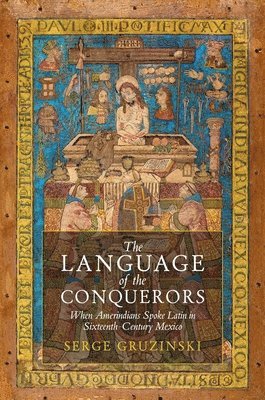
    Language of the Conquerors

    When Amerindians Spoke Latin in Sixteenth-Century Mexico

    AvSerge Gruzinski

    Häftad, Engelska, 2026

    289 kr

    Beställningsvara. Skickas inom 5-8 vardagar. Fri frakt över 249 kr.

    Fler format och utgåvor

    Inbunden

    733 kr

    E-bok

    326 kr

    E-bok

    897 kr

    Beskrivning

    One of the most decisive and irreversible consequences of the Spanish conquest of the Americas was the alphabetic revolution which changed the forms of communication in indigenous societies. Writing, paper and books arrived in the Americas with the conquistadors and they were used as weapons by the Spanish to subjugate local populations and impose Christianity on them.The written word of the conquerors was a key medium of colonization: orders from the imperial metropole were written down, local resources and valuables were recorded and books conveyed knowledge coming from Europe. The children of indigenous elites, trained in humanist values, were soon more familiar with Latin and the Bible than with the beliefs of their ancestors, and the use of Latin instilled new modes of reasoning and thought. By imposing European languages and writing systems, the conquistadors also inculcated a belief in the superiority of the written word and even its holiness. And yet despite this, indigenous people were able to resist alphabetic colonization in other ways, thanks to their extraordinary creativity.By putting language, writing and printing at the centre of his analysis, Serge Gruzinski develops a fresh perspective on the colonization and conversion of the indigenous people of the Americas and enables us to observe in detail how ideas intermingle when two civilizations collide.

    Produktinformation

    • Utgivningsdatum:2026-02-27
    • Mått:152 x 229 x 20 mm
    • Vikt:431 g
    • Format:Häftad
    • Språk:Engelska
    • Antal sidor:288
    • Förlag:Polity Press
    • ISBN:9781509565238
    • Översättare:Nancy Erber

    Utforska kategorier

    • Amerikas historia inom Historia och arkeologi
    • Allmän historia och världshistoria inom Historia och arkeologi

    Mer om författaren

    Serge Gruzinski is Director of Research at the Centre National de la Recherche Scientifique and Director of Studies at the École des hautes études en sciences sociales in Paris.

    Recensioner i media

    "Serge Gruzinski calls attention to the human consequences for indigenous peoples across the Americas of the drastic changes wrought by European languages and writing technologies. This book provides a vital twenty-first century counterpart to J. H. Elliott's The Old World and the New."Andrew Laird, Brown University, author of Aztec Latin"Rapidly mastering the languages of the conquerors brought new speakers to reinvent how and what to tell, in writing. This groundbreaking book is not just a history of hegemonic alphabetization, or of indigenous resistance to Latin and Spanish. It's a history of that active reinventing, one that becomes inspirational well beyond the early modern times."Alessandra Russo, Columbia University, author of A New Antiquity"Very readable and full of interesting material"The Prisma

    Innehållsförteckning

    • IntroductionPart One: An Alphabetic UnleashingChapter I. The "Aztec" PsalterChapter II. An alphabetic unleashingChapter III. The First WavePart Two: Learning to Read, Write and SingChapter IV. The First TeachersChapter V. The First PupilsChapter VI. How the Apprenticeship Worked Chapter VII. Indigenous MusiciansPart Three: What is Latin Good For?Chapter VIII. A University for Indigenous ScholarsChapter IX. A Prodigious Education MachineChapter X. "Reverende pater, nato, cujus casus est?" The Indians' LatinPart Four: Novi homines, New MenChapter XI. Three LivesChapter XII. A Forest of Texts and ImagesChapter XIII. Humanists, Philologists, Political ActivistsChapter XIV. The Challenges of the First Globalized WorldPart Five: A Psalmody for the IndiansChapter XV. The Creators of the PsalmodyChapter XVI. The Alchemy of the PsalterEpilogue: "Dance, Dance or We Are Lost!"AcknowledgementsList of AbbreviationsBibliographyNotesIndex