• Fri frakt över 249 kr
  • •
  • Snabba leveranser
  • •
  • Billiga böcker
Kundservice

Du är på sajten för privatpersoner.

Företag, bibliotek eller offentlig verksamhet?

Du handlar på classic.bokus.com, där alla dina funktioner finns intakta.
Till classic.bokus.com
Bokus logotyp. Gå till startsidan.
  • Erbjudanden
  • Nyheter
  • Student
  • Topplistor
  • Barn & ungdom
  • Bokus Play
  • E-böcker
  • Pocketböcker
  • Spel & pussel

10% rabatt på allt med kod: NYSTART10 →

Sidfot

Mina sidor

    Hjälp

    • Kundservice
    • Vanliga frågor och svar
    • Frakt och leverans
    • Retur vid ångerrätt
    • Reklamera vara
    • Betalning
    • Köpvillkor
    • Allmänna villkor
    • Information om webbplatsens tillgänglighet

    Om Bokus

    • Om oss
    • Pressrum
    • För studenter
    • För företag
    • För bibliotek och offentlig verksamhet
    • För leverantörer
    • Hållbarhet

    Populärt

    • Aktuella erbjudanden
    • Presentkort
    • Studentlitteratur
    • Nya böcker
    • Topplistor
    • Signerade böcker
    • Engelska böcker

    Inspiration

    • Boktips
    • BookTok
    • Populära bokserier
    • Barnbokskaraktärer
    • Populära författare
    Logotyp för Bokus
    Följ oss på Facebook (extern länk)Följ oss på Instagram (extern länk)Följ oss på YouTube (extern länk)Följ oss på TikTok (extern länk)
    bokus @ CookiesAnpassa cookiesIntegritetspolicyKöpvillkor
    Till Citymail hemsida (extern länk)Till Budbee hemsida (extern länk)Till Postnord hemsida (extern länk)Till Schenker hemsida (extern länk)Till Early Bird hemsida (extern länk)Till Walleys hemsida (extern länk)
    1. Kultur
    2. Konstböcker
    3. Konstformer
    4. Konst: teman och motiv

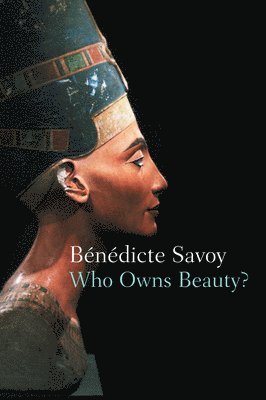
    Who Owns Beauty?

    AvBénédicte Savoy

    Inbunden, Engelska, 2025

    223 kr

    Beställningsvara. Skickas inom 5-8 vardagar. Fri frakt över 249 kr.

    Beskrivning

    Beauty belongs to no one. But what about the objects that museums celebrate as great works of art: to whom do they belong? Do they belong to the places where they originated? To the cultures whose genius they embody? To the enlightened collectors who saw their value and appropriated them? Or to the whole of humanity which has access to them through institutions dedicated to their preservation? And if the latter, how can we justify the fact that some people are able to enjoy what is supposed to be a universally shared heritage while others cannot? We can begin to answer these questions, argues Bénédicte Savoy, by examining how these objects actually came to be with us and what their journeys reveal about our history and its violence and asymmetries, both symbolic and real. These objects have no doubt left their mark on the places where they arrived; they have also left wounds that are still raw in the places from which they came. The bust of Nefertiti, the Great Pergamon Altar, The Adoration of the Mystic Lamb, the ‘Sistine Madonna’, the Old Summer Palace bronze heads, Watteau’s L'Enseigne de Gersaint, the ‘Bangwa Queen’, Klimt’s Portrait of Adele Bloch-Bauer, the Benin bronzes: through the journeys of these iconic works, Savoy reflects on desire and domination, on rupture and restitution, and on the profound emotions evoked by beauty when it is laced with the pain of historical loss.This timely and highly original reflection on beauty, provenance, power, and loss will be essential reading for all those concerned with the preservation and restitution of cultural objects and it will appeal to anyone interested in art, culture, and politics today.

    Produktinformation

    • Utgivningsdatum:2025-09-19
    • Mått:160 x 231 x 28 mm
    • Vikt:499 g
    • Format:Inbunden
    • Språk:Engelska
    • Antal sidor:240
    • Förlag:Polity Press
    • ISBN:9781509568611
    • Översättare:Andrew Brown

    Utforska kategorier

    • Konst: teman och motiv inom Kultur

    Mer om författaren

    Bénédicte Savoy is Professor of Art History at the Technische Universität Berlin.

    Recensioner i media

    "Bénédicte Savoy writes beautifully about beauty. From the sacking of the Beijing Summer Palace to the bust of Nefertiti, and from the 'Sistine Madonna' to the 'Bangwa Queen', Who Owns Beauty takes the reader on a series of journeys that follow the translocation of iconic artworks. The book maps geographies of extraction and desire, encountering along the way claims to possession, acts of looting, and pathways towards return."Dan Hicks, University of Oxford"Once provenance — the documentation of how things get into museums — was a sleepy corner of art history. In this intriguing book, Bénédicte Savoy shows how it has become one of the most challenging and interesting intersections of contemporary visual culture. In lapidary prose, she deploys insightful methodological advances alongside detailed, fascinating, and entangled histories of the fate of imperial subjects and objects at the hands of Western museums. Everyone concerned with the future of museums and what they contain needs to read this book."Nicholas Mirzoeff, New York University"Fertile"Lola Salem, The Critic"Intriguing"The Irish Times"a bracing new book written by the French art historian Bénédicte Savoy"The New Yorker"Savoy's useful and beguiling new book, Who Owns Beauty?, addresses itself not to the logistics of repatriating works of art but to the question of 'what happened to the places where they were no longer to be found.'... it is an object lesson—or rather nine object lessons—in how bright lines between right and wrong fade to gray."The New York Review of Books

    Innehållsförteckning

    • Publisher’s NoteAcknowledgementsIntroductionChapter 1. The bust of NefertitiCairoBerlinRestoring an international icon?Chapter 2. The Pergamon AltarA translocation in spare partsTo take and to understandA model of reconstruction with a universalist vocation?Chapter 3. The Altarpiece of ‘The Mystic Lamb’ by the Van Eyck brothersAn annexed heritageFrom dismantlement to reconstructionEvacuation, looting, restorationChapter 4.  Raphael’s 'Sistine Madonna'The advent of the public museumThe Dresden ‘Madonna’Saving or appropriating a ‘treasure of humanity’?Chapter 5. The bronze heads of the Summer Palace in BeijingMoney, nation, heritageThe price of pillageRepairing history?Sharing, giving back or leaving behindFull circleChapter 6. Watteau’s ‘L’Enseigne de Gersaint’The diplomacy of exhibitionsPotsdam, the 1740sCrime, art, and punishmentChapter 7. The statue of the ‘Bangwa Queen’ of CameroonA massive cultural extractionInvisible in BerlinInternational careerChapter 8. The ‘Portrait of Adele Bloch-Bauer’ by Gustav KlimtCollectors, donors, patronsThe world of yesterdayDiscriminations, dislocations‘Ciao Adele’Chapter 9. Benin’s ‘Royal Treasures’Heritage moved, heritage replacedReconnecting through the artsIntellectual reappropriationConclusionNotes