• Fri frakt över 249 kr
  • •
  • Snabba leveranser
  • •
  • Billiga böcker
Kundservice

Du är på sajten för privatpersoner.

Företag, bibliotek eller offentlig verksamhet?

Du handlar på classic.bokus.com, där alla dina funktioner finns intakta.
Till classic.bokus.com
Bokus logotyp. Gå till startsidan.
  • Erbjudanden
  • Nyheter
  • Student
  • Topplistor
  • Barn & ungdom
  • Bokus Play
  • E-böcker
  • Pocketböcker
  • Spel & pussel

10% studentrabatt med kod TERM26

Sidfot

Mina sidor

    Hjälp

    • Kundservice
    • Vanliga frågor och svar
    • Frakt och leverans
    • Retur vid ångerrätt
    • Reklamera vara
    • Betalning
    • Köpvillkor
    • Allmänna villkor
    • Information om webbplatsens tillgänglighet

    Om Bokus

    • Om oss
    • Pressrum
    • För studenter
    • För företag
    • För bibliotek och offentlig verksamhet
    • För leverantörer
    • Hållbarhet

    Populärt

    • Aktuella erbjudanden
    • Presentkort
    • Studentlitteratur
    • Nya böcker
    • Topplistor
    • Signerade böcker
    • Engelska böcker

    Inspiration

    • Boktips
    • BookTok
    • Populära bokserier
    • Barnbokskaraktärer
    • Populära författare
    Logotyp för Bokus
    Följ oss på Facebook (extern länk)Följ oss på Instagram (extern länk)Följ oss på YouTube (extern länk)Följ oss på TikTok (extern länk)
    bokus @ CookiesAnpassa cookiesIntegritetspolicyKöpvillkor
    Till Citymail hemsida (extern länk)Till Budbee hemsida (extern länk)Till Postnord hemsida (extern länk)Till Schenker hemsida (extern länk)Till Early Bird hemsida (extern länk)Till Walleys hemsida (extern länk)
    1. Juridik
    2. Internationell rätt

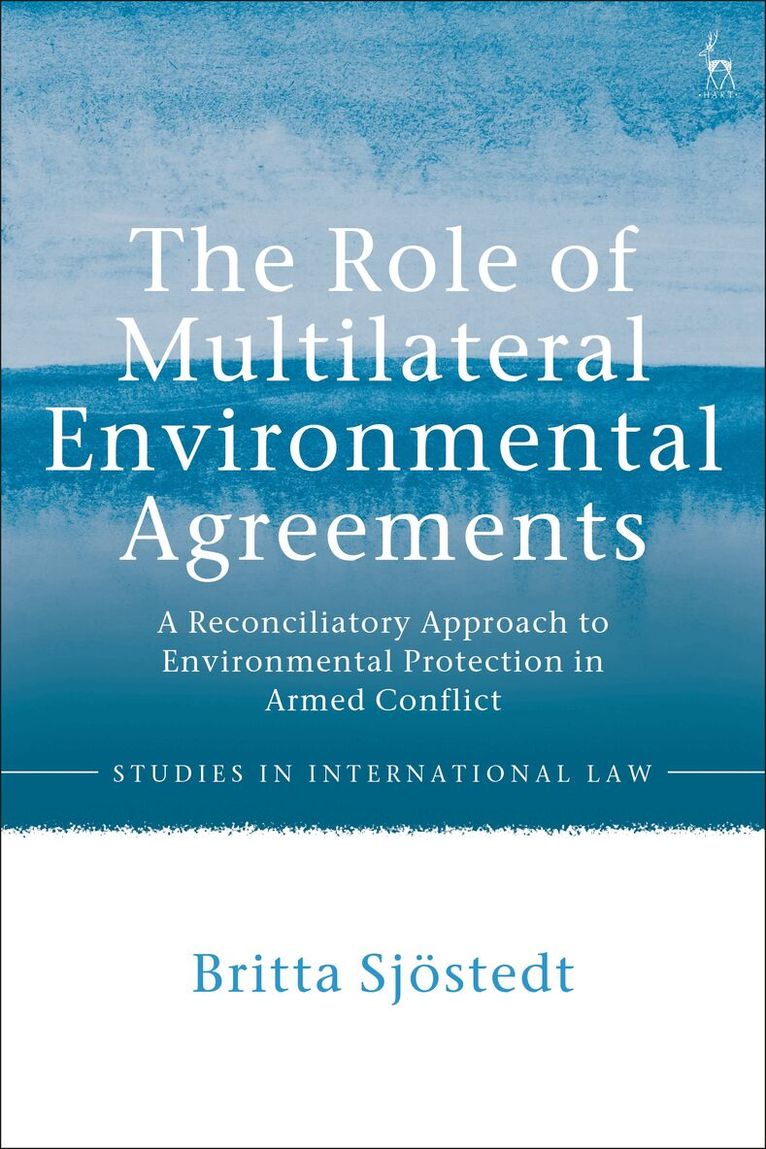
    Role of Multilateral Environmental Agreements

    A Reconciliatory Approach to Environmental Protection in Armed Conflict

    AvBritta Sjostedt

    Inbunden, Engelska, 2020

    Del i serien Studies in International Law

    1 284 kr

    Beställningsvara. Skickas inom 10-15 vardagar. Fri frakt över 249 kr.

    Fler format och utgåvor

    E-bok

    597 kr

    E-bok

    597 kr

    Häftad

    556 kr

    Beskrivning

    The environment suffers enormously during armed conflicts and, despite the increasing awareness of the pressing need to protect the planet, devastating environmental damage can occur legally at times of war. This book suggests that – apart from the protection offered under law of armed conflict – environmental treaties or multilateral agreements (MEAs) can complement and strengthen environmental protection when war occurs. Previous research has focused on the protection offered under the law of armed conflict (in particular international humanitarian law) and customary international environmental law concerning wartime environmental damage, or whether environmental treaties remain applicable at times of armed conflict. This book, however, is the first in-depth scholarly examination of how environmental treaties can apply in wartime and how they can contribute to the protection of the environment in relation to armed conflict. It also offers an updated study of environmental protection under the law of armed conflict, including the latest developments in the International Law Commission’s work on this underexplored topic.

    Produktinformation

    • Utgivningsdatum:2020-05-28
    • Mått:158 x 234 x 24 mm
    • Vikt:640 g
    • Format:Inbunden
    • Språk:Engelska
    • Serie:Studies in International Law
    • Antal sidor:336
    • Förlag:Bloomsbury Publishing PLC
    • ISBN:9781509922536

    Utforska kategorier

    • Internationell rätt inom Juridik

    Mer om författaren

    Britta Sjöstedt is Senior Lecturer in Environmental Law at the Faculty of Law at Lund University, Sweden.

    Innehållsförteckning

    • 1. Setting the Scene I. Introduction II. Scope of the Book III. Why Read this Book? 2. Wartime Environmental Damage I. Introduction II. Categories of Wartime Environmental Damage III. Why Protect the Environment in Relation to Armed Conflict? 3. Special Protection under the Law of Armed Conflict I. Introduction II. The Foundations of the Law of Armed Conflict III. Adopting Special Environmental Protection in Warfare IV. Prohibition on Environmental Modification Techniques: The ENMOD Convention V. Absolute Environmental Protection in Protocol I VI. Conclusions4. Special Environmental Protection under Customary International Law I. Introduction II. ICRC Customary Law Study and the Draft Principles of the International Law Commission III. Special Environmental Protection in Non-international Armed Conflicts IV. Conclusions5. General Protection under the Law of Armed Conflict I. Introduction II. Applying the General Rules of Protection to the Environment III. Turning the Environment into a Military Target IV. Understanding the Attacker V. Proportionality TestVI. Calculating the Unknown: The Principle of Precaution versus the Precautionary Approach VII. ‘Greening’ the Martens Clause VIII. Other Rules of Importance IX. Protection under the Weapons Conventions X. Conclusions6. International Environmental Treaties: A Missed Opportunity I. Introduction II. International Environmental Law at a GlanceIII. Explaining the Missed Opportunity IV. Applicability of MEAs During Armed Conflicts V. The Lex Specialis Rule During Armed Conflicts VI. Meaningless MEAs? VII. Conclusions7. New Approach: Reconciling International Environmental Law and the Law of Armed Conflict I. Introduction II. The World Heritage Convention and the Ramsar Convention III. Potential Normative Tensions IV. Adopting a Reconciliatory Approach V. The Elements that Enable MEAs to Reconcile VI. Reconciliation: Is it Possible? VII. Role of Treaty Institutions VIII. Conclusions8. Protection of World Heritage in Relation to Armed Conflict: The Case of the DRC I. Introduction II. The Armed Conflicts III. The Impact of Armed Conflicts on World Heritage Sites IV. The Application of the World Heritage ConventionV. Contribution of the World Heritage Convention VI. Conclusions9. Protection of the Ramsar Sites in Relation to Armed Conflict: The Case of Mali I. Introduction II. The Armed Conflict III. Environmental Impacts and Rising Tensions in the Ramsar Sites IV. Application of the Ramsar Convention V. Contribution of the Ramsar Convention VI. Conclusions10. The Way Forward I. Introduction II. Shortcomings of the Law of Armed Conflict III. Exploring Other Options IV. New Outlook: From Lex Specialis to Reconciliation V. Factors Contributing to the Operation of MEAs in Relation to Armed ConflictVI. The Way Forward