• Fri frakt över 249 kr
  • •
  • Snabba leveranser
  • •
  • Billiga böcker
Kundservice

Du är på sajten för privatpersoner.

Företag, bibliotek eller offentlig verksamhet?

Du handlar på classic.bokus.com, där alla dina funktioner finns intakta.
Till classic.bokus.com
Bokus logotyp. Gå till startsidan.
  • Erbjudanden
  • Nyheter
  • Student
  • Topplistor
  • Barn & ungdom
  • Bokus Play
  • E-böcker
  • Pocketböcker
  • Spel & pussel

10% rabatt på allt med kod: NYSTART10 →

Sidfot

Mina sidor

    Hjälp

    • Kundservice
    • Vanliga frågor och svar
    • Frakt och leverans
    • Retur vid ångerrätt
    • Reklamera vara
    • Betalning
    • Köpvillkor
    • Allmänna villkor
    • Information om webbplatsens tillgänglighet

    Om Bokus

    • Om oss
    • Pressrum
    • För studenter
    • För företag
    • För bibliotek och offentlig verksamhet
    • För leverantörer
    • Hållbarhet

    Populärt

    • Aktuella erbjudanden
    • Presentkort
    • Studentlitteratur
    • Nya böcker
    • Topplistor
    • Signerade böcker
    • Engelska böcker

    Inspiration

    • Boktips
    • BookTok
    • Populära bokserier
    • Barnbokskaraktärer
    • Populära författare
    Logotyp för Bokus
    Följ oss på Facebook (extern länk)Följ oss på Instagram (extern länk)Följ oss på YouTube (extern länk)Följ oss på TikTok (extern länk)
    bokus @ CookiesAnpassa cookiesIntegritetspolicyKöpvillkor
    Till Citymail hemsida (extern länk)Till Budbee hemsida (extern länk)Till Postnord hemsida (extern länk)Till Schenker hemsida (extern länk)Till Early Bird hemsida (extern länk)Till Walleys hemsida (extern länk)
    1. Juridik
    2. Internationell rätt

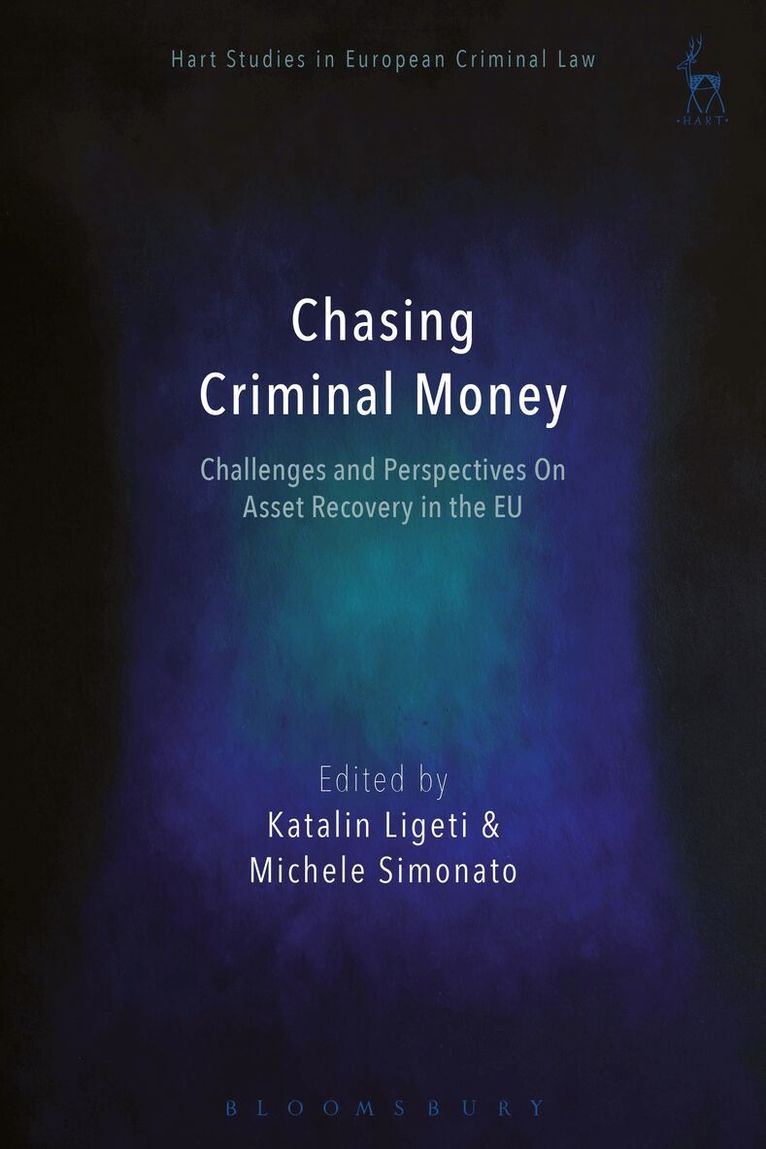
    Chasing Criminal Money

    Challenges and Perspectives On Asset Recovery in the EU

    AvKatalin Ligeti,Michele Simonato

    Häftad, Engelska, 2019

    Del i serien Hart Studies in European Criminal Law

    645 kr

    Beställningsvara. Skickas inom 10-15 vardagar. Fri frakt över 249 kr.

    Beskrivning

    The fight against dirty money is not a new topic, nor a recent problem. It has existed within international and national agendas since the 1980s. Nonetheless, the evolving complexity of criminal skills and networks; the increasingly global dimension of crime; the financial crisis; and the alleged unsatisfactory results of the efforts hitherto undertaken cause us to re-pose and re-discuss some questions. This book addresses several issues concerning the reasons, objectives and scope of national and supranational strategies targeting criminal money, as well as the concrete modalities to overcome its obstacles. The main objective is to explore where the EU stands and where it ought to go, providing useful input for policy-makers and further research. Nevertheless, the problems are not limited to the EU area, and assets – particularly money – cross EU borders much more easily than people do. The reflections developed in the chapters, therefore, aim at going beyond these EU borders. The book is divided into two parts. The first one focuses on the core of asset recovery policies, namely confiscation or forfeiture laws, and explores in particular some issues concerning the respect of fundamental rights. The second part addresses other problematic aspects related to the asset recovery process, such as the return of assets to victim countries, the cross-border investigations on dirty money, and the social use of confiscated assets.

    Produktinformation

    • Utgivningsdatum:2019-08-22
    • Mått:150 x 229 x 20 mm
    • Vikt:620 g
    • Format:Häftad
    • Språk:Engelska
    • Serie:Hart Studies in European Criminal Law
    • Antal sidor:400
    • Förlag:Bloomsbury Publishing PLC
    • ISBN:9781509931293

    Utforska kategorier

    • Internationell rätt inom Juridik

    Mer om författaren

    Katalin Ligeti is Professor of European and International Criminal Law at the University of Luxembourg. Michele Simonato is a post-doctoral researcher in EU and Comparative Criminal Law at Utrecht University.

    Recensioner i media

    ...this collection is immensely useful for anyone who wants to gain an understanding of the key features of asset recovery. But more importantly, it is a conversation starter; as it promises, it unleashes a torrent of constructive criticism of the objectives, scope and impediments of asset recovery.

    Innehållsförteckning

    • Asset Recovery in the EU: Towards a Comprehensive Enforcement Model beyond Confiscation? An Introduction Katalin Ligeti and Michele SimonatoPart I: Forfeiture and Fundamental Rights: Open Questions in the Twenty-First Century1. Confiscation and the Concept of Punishment: Can There be a Confiscation Without a Conviction? Michele Panzavolta2. The History of Confiscation Laws: From the Book of Exodus to the War on White-Collar Crime Michaël Fernandez-Bertier3. Civil Forfeiture in Ireland: Two Decades of the Proceeds of Crime Act and the Criminal Assets BureauColin King4. The Problematic Nature of Asset Recovery Measures: Recent Developments of the Italian Preventive ConfiscationFrancesco Mazzacuva5. Extended Confiscation: Criminal Assets or Criminal Owners? Johan Boucht6. Modern Forms of Confiscation and Protection of Third Parties Isidoro Blanco CorderoPart II: Not Only About Confiscation: Towards Comprehensive Policies onAsset Recovery7. Tax, Money Laundering and Offshore: The HSBC Suisse Affair Peter Alldridge8. Asset Recovery in Four Dimensions: Returning Wealth to Victim Countries as a Challenge for Global Governance Radha Ivory9. Restitution of Dirty Assets: A Swiss Template for the International Community Frank Meyer10. The Relevance of Asset Recovery Policies in Transitional Societies: The Croatian Perspective Elizabeta Ivicevic Karas and Suncana Roksandic Vidlicka11. The American Perspective on Recovering Criminal Proceeds in Criminal and Non-Conviction Based Proceedings Stefan D Cassella12. The ‘Pre-investigative’ Role of Financial Intelligence Units in Recovering Assets Marc Penna13. Digital Currencies and the Anti-money Laundering/Counter-terrorism Financing Regulations inthe EU: Imaginary Risk or Real Challenge? Jacek Czarnecki14. Asset Sharing as a Tool for a More Efficient Cross-Border Asset Recovery in the EU? The EU Asset Sharing Model and its Implementation in Belgium and the Netherlands Laura Vande Reyde and Dirk Van Daele15. The Social Reuse of Confiscated Assets in EU Member States: From Current Experiences to an EU Policy for a ‘Powered-by-Citizens’ Fight Against Crime Barbara Vettori and Andrea Di Nicola