• Fri frakt över 249 kr
  • •
  • Snabba leveranser
  • •
  • Billiga böcker
Kundservice

Du är på sajten för privatpersoner.

Företag, bibliotek eller offentlig verksamhet?

Du handlar på classic.bokus.com, där alla dina funktioner finns intakta.
Till classic.bokus.com
Bokus logotyp. Gå till startsidan.
  • Erbjudanden
  • Nyheter
  • Student
  • Topplistor
  • Barn & ungdom
  • Bokus Play
  • E-böcker
  • Pocketböcker
  • Spel & pussel

Må bättre, för mindre! Upp till 50% rabatt på hälsoböcker

Sidfot

Mina sidor

    Hjälp

    • Kundservice
    • Vanliga frågor och svar
    • Frakt och leverans
    • Retur vid ångerrätt
    • Reklamera vara
    • Betalning
    • Köpvillkor
    • Allmänna villkor
    • Information om webbplatsens tillgänglighet

    Om Bokus

    • Om oss
    • Pressrum
    • För studenter
    • För företag
    • För bibliotek och offentlig verksamhet
    • För leverantörer
    • Hållbarhet

    Populärt

    • Aktuella erbjudanden
    • Presentkort
    • Studentlitteratur
    • Nya böcker
    • Topplistor
    • Signerade böcker
    • Engelska böcker

    Inspiration

    • Boktips
    • BookTok
    • Populära bokserier
    • Barnbokskaraktärer
    • Populära författare
    Logotyp för Bokus
    Följ oss på Facebook (extern länk)Följ oss på Instagram (extern länk)Följ oss på YouTube (extern länk)Följ oss på TikTok (extern länk)
    bokus @ CookiesAnpassa cookiesIntegritetspolicyKöpvillkor
    Till Citymail hemsida (extern länk)Till Budbee hemsida (extern länk)Till Postnord hemsida (extern länk)Till Schenker hemsida (extern länk)Till Early Bird hemsida (extern länk)Till Walleys hemsida (extern länk)
    1. Juridik
    2. Internationell rätt

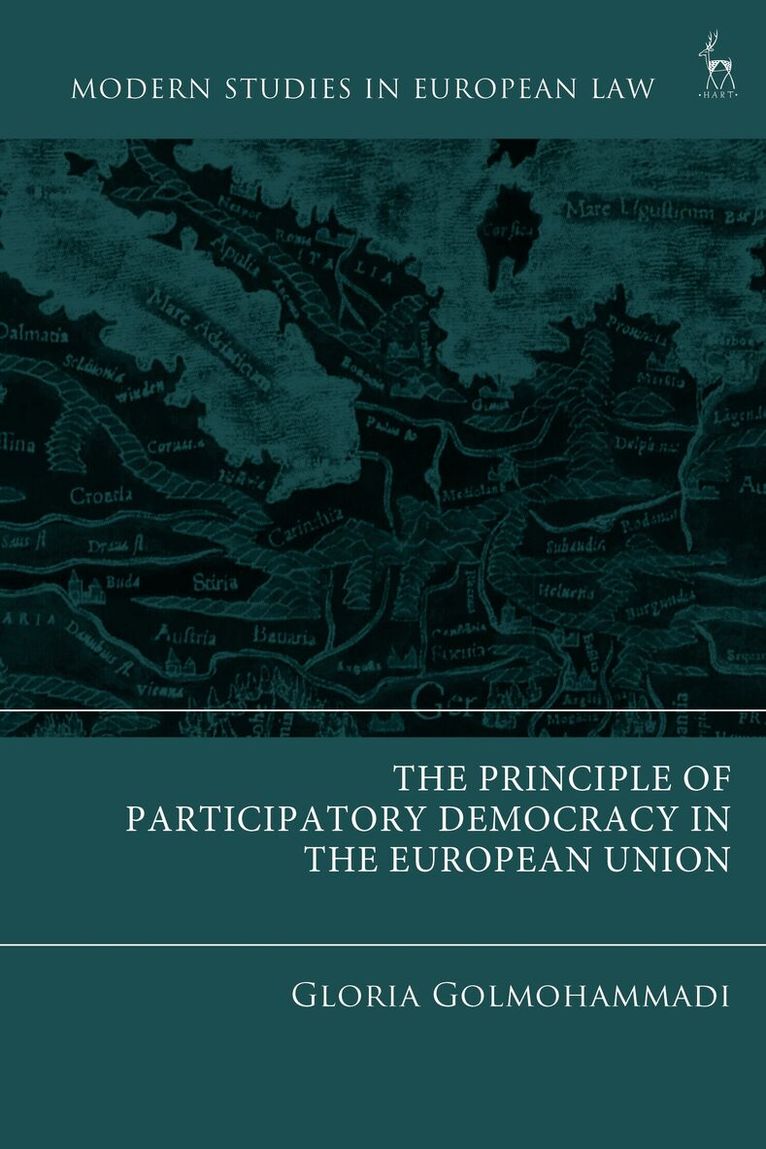
    Rise and Decline of Fundamental Rights in EU Citizenship

    AvAdrienne Yong

    Häftad, Engelska, 2020

    Del i serien Modern Studies in European Law

    543 kr

    Beställningsvara. Skickas inom 10-15 vardagar. Fri frakt över 249 kr.

    Fler format och utgåvor

    Inbunden

    1 219 kr

    E-bok

    583 kr

    E-bok

    564 kr

    Beskrivning

    This book argues that there is an inherent relationship between EU fundamental rights and EU citizenship: they both have the same objective of guaranteeing protection for the individual. This is underpinned by the development of case law in the field by the Court of Justice of the EU (CJEU). Here, however, the author proposes that that relationship has weakened in recent years as the CJEU has entered increasingly sensitive territory in regard to the protection of citizenship rights and fundamental rights. Writing in the post UK–EU referendum environment, the author argues that this decline is attributable to increasing Euroscepticism, which has worsened since the Eurozone crisis and even more so in light of Brexit, and arguments made that leaving the EU would reduce immigration. This argument is particularly important to note given the rising fears of immigration that underlie much of the dissatisfaction with the EU project: a feeling prevalent not only in the UK. The chapters look at the rights of migrant EU citizens in Member States other than their own, and the guarantees that exist as a matter of protecting their fundamental human rights, which are present alongside rights enjoyed as part of being an EU citizen.

    Produktinformation

    • Utgivningsdatum:2020-10-15
    • Mått:152 x 232 x 18 mm
    • Vikt:380 g
    • Format:Häftad
    • Språk:Engelska
    • Serie:Modern Studies in European Law
    • Antal sidor:248
    • Förlag:Bloomsbury Publishing PLC
    • ISBN:9781509945443

    Utforska kategorier

    • Internationell rätt inom Juridik

    Mer om författaren

    Adrienne Yong is Lecturer in Law at The City Law School, City, University of London under the Institute for the Study of European Laws (ISEL).

    Recensioner i media

    [A]n important and valuable contribution to the discussion on the EU citizenship status and its relationship with the fundamental rights in the EU. The author accurately centres the debate around the main issue: the tension between the universal character of fundamental rights and the exclusivity of EU citizenship. Yong displays expertise and precision when delineating the area of judicial controversies and doctrinal disputes. Finally, she makes a convincing prediction concerning their further course. She touches upon topical issues that concern the EU’s very foundations. The book can be recommended to both scholars and students interested in law and the European integration policy. In addition, it is a valuable source of information for individuals who deal with applying EU legislation.

    Innehållsförteckning

    • 1. Examining EU Citizenship and its Relationship with EU Fundamental Rights I. Introduction II. Linking EU Citizenship and Fundamental Rights A. Understanding EU Fundamental Rights B. Legitimacy and Solidarity in the EU C. The Role of the Court III. The Legal Culture of the Court IV. Judicial Instruments in EU Citizenship Law A. The Principle of Non-discrimination (Article 18 TFEU) B. The Principle of Proportionality C. Protecting National Welfare Systems and the ‘Genuine Link’ Test D. The ‘Purely Internal Situations’ Rule E. The ‘Deprivation of Genuine Enjoyment’ Test V. The Three Ages of EU Citizenship A. The Age of Uncertainty: The UK’s Withdrawal from the EU VI. Methodology and Outline of the Analysis 2. The Progressive Empowerment of EU Citizens through Judicial Instruments and Fundamental RightsI. Introduction II. Empowering the EU Citizen A. Workers and Family Life B. Non-discrimination as a Fundamental Right C. Fundamental Rights Protection through ProportionalityD. Proving a Genuine Link III. Cross-border Residency A. The Purely Internal Situations RuleB. Respect for Family Life and Identity C. An Increasingly Tenuous Cross-border LinkD. The Problem of Reverse Discrimination IV. Conclusion 3. The Growing Potential of EU Citizenship’s Relationship with Fundamental Rights I. Introduction II. Fundamental Rights in EU Citizenship Pre-Lisbon A. AG Jacobs’ Opinion in Konstantinidis (1992) B. The Rise of Fundamental Rights Protection in EU Citizenship C. AG Colomer’s Opinion in Petersen (2008) III. Fundamental Rights in EU Citizenship Post-Lisbon A. Post-Lisbon, but Pre-Zambrano B. AG Sharpston’s Opinion in Zambrano (2010) i. Residency Rights and Third Country Nationals ii. Fundamental Rights C. An Independent Legal Basis for Citizenship Rights IV. Conclusion 4. The Constitutional Crisis of EU Citizenship and Fundamental Rights I. Introduction II. The Aftermath of Zambrano A. Restricting Scope in the McCarthy and Dereci Cases B. ‘Genuine Enjoyment’ and Fundamental RightsIII. EU Citizenship Cases after Zambrano A. ‘Genuine Enjoyment’ after McCarthy and Dereci B. Patterns in Recent Case Law IV. Conclusion 5. Fundamental Rights and EU Citizenship in a Eurosceptic EUI. Introduction II. The Effect of Europe’s Crisis on its Citizens A. Struggles of the Status of EU Citizenship B. The Effect of the Charter of Fundamental Rights III. Linking EU Fundamental Rights with EU Citizenship A. Implications of Human Rights Protection under the ECHR B. Limits on Linking EU Fundamental Rights with EU Citizenship Status C. The ECHR and EU Citizenship Going Forward IV. Conclusion 6. The Unfolding Story of EU Citizenship and Fundamental Rights in Brexit Britain I. Introduction II. The Crisis of British Withdrawal from the EU A. An Increasingly Eurosceptic UK and Deferential CJEU B. Negotiating Citizens’ Rights III. A ‘Just’ Brexit? A. Human Rights as Realised by International Standards B. Weaknesses of the ECHR IV. Conclusion 7. Concluding Thoughts