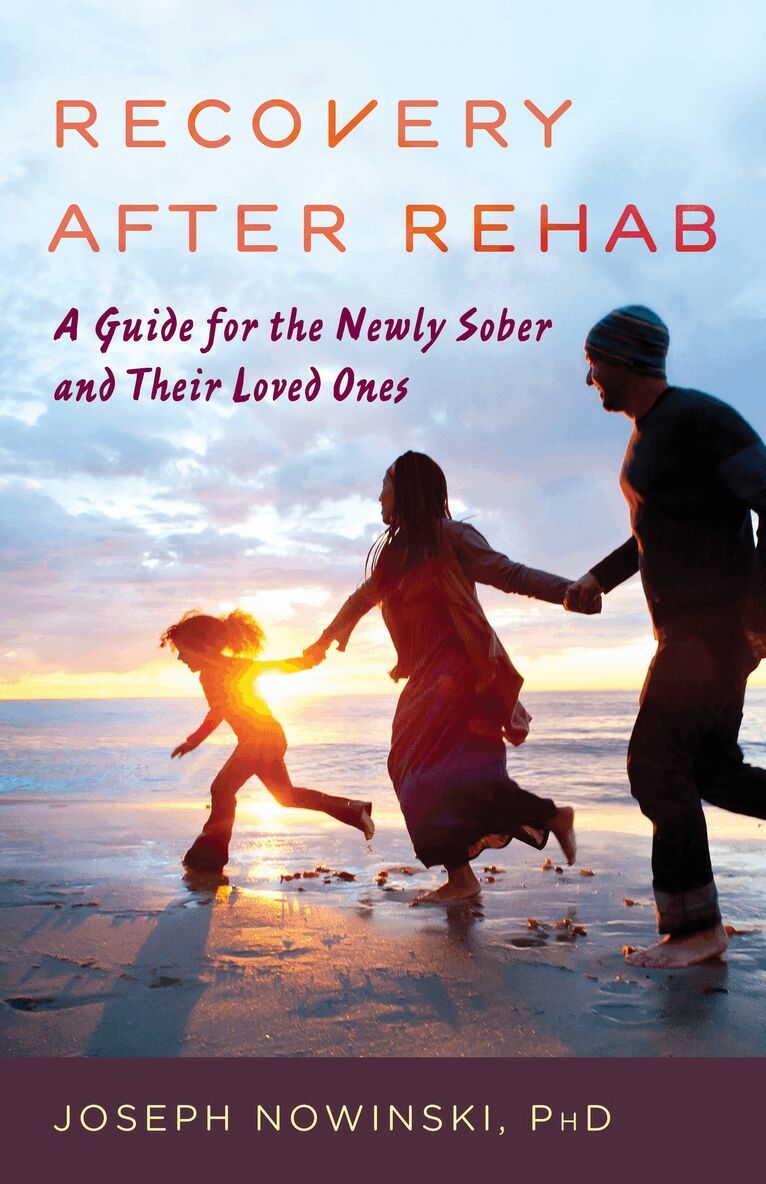
Recovery after Rehab
A Guide for the Newly Sober and Their Loved Ones
377 kr
Beställningsvara. Skickas inom 10-15 vardagar. Fri frakt över 249 kr.
Du är på sajten för privatpersoner.
377 kr
Beställningsvara. Skickas inom 10-15 vardagar. Fri frakt över 249 kr.
Joseph Nowinski, PhD, has held positions as assistant professor of psychiatry at the University of California San Francisco and associate professor of psychology at the University of Connecticut. In addition to independent practice, he is currently assistant professor at the Hazelden Betty Ford Graduate School of Addiction Studies. Nowinski is the author of a number of books, including The Twelve Step Facilitation Handbook; Almost Alcoholic: (Is My or My Loved One’s) Drinking a Problem?; and If You Work It, It Works!: The Science Behind 12 Step Recovery.
When alcoholics and other addicts detox their bodies, they feel great. The downside to this so-called pink-cloud feeling is that the newly sober can mistakenly believe they’re “cured,” writes Nowinski, a clinical psychologist. This guide for them and their loved ones can be a lifesaver, literally. Nowinski compares recovery to a “voyage across open water,” with obstacles along the way and no guarantees of success. Indeed, the National Institute on Drug Abuse cites a 40 to 60 percent chance of relapse from a substance-abuse disorder. How to help? Loved ones can strive to be partners instead of feeling like stigmatized “enablers.” As the afflicted progress from a “casual friendship” to “a serious relationship” to “commitment” to their drug of choice, they tragically betray their values and those closest to them. This damages crucial relationships, which need to be rebuilt after treatment. Hang on and don’t leave a recovering addict struggling alone. Nowinski convincingly makes the case for the vital role of family and friends, who can increase the odds of a loved one staying sober by remaining committed and connected.
Du är på sajten för privatpersoner.
377 kr
Beställningsvara. Skickas inom 10-15 vardagar. Fri frakt över 249 kr.
Joseph Nowinski, PhD, has held positions as assistant professor of psychiatry at the University of California San Francisco and associate professor of psychology at the University of Connecticut. In addition to independent practice, he is currently assistant professor at the Hazelden Betty Ford Graduate School of Addiction Studies. Nowinski is the author of a number of books, including The Twelve Step Facilitation Handbook; Almost Alcoholic: (Is My or My Loved One’s) Drinking a Problem?; and If You Work It, It Works!: The Science Behind 12 Step Recovery.
When alcoholics and other addicts detox their bodies, they feel great. The downside to this so-called pink-cloud feeling is that the newly sober can mistakenly believe they’re “cured,” writes Nowinski, a clinical psychologist. This guide for them and their loved ones can be a lifesaver, literally. Nowinski compares recovery to a “voyage across open water,” with obstacles along the way and no guarantees of success. Indeed, the National Institute on Drug Abuse cites a 40 to 60 percent chance of relapse from a substance-abuse disorder. How to help? Loved ones can strive to be partners instead of feeling like stigmatized “enablers.” As the afflicted progress from a “casual friendship” to “a serious relationship” to “commitment” to their drug of choice, they tragically betray their values and those closest to them. This damages crucial relationships, which need to be rebuilt after treatment. Hang on and don’t leave a recovering addict struggling alone. Nowinski convincingly makes the case for the vital role of family and friends, who can increase the odds of a loved one staying sober by remaining committed and connected.
Du är på sajten för privatpersoner.
377 kr
Beställningsvara. Skickas inom 10-15 vardagar. Fri frakt över 249 kr.
Joseph Nowinski, PhD, has held positions as assistant professor of psychiatry at the University of California San Francisco and associate professor of psychology at the University of Connecticut. In addition to independent practice, he is currently assistant professor at the Hazelden Betty Ford Graduate School of Addiction Studies. Nowinski is the author of a number of books, including The Twelve Step Facilitation Handbook; Almost Alcoholic: (Is My or My Loved One’s) Drinking a Problem?; and If You Work It, It Works!: The Science Behind 12 Step Recovery.
When alcoholics and other addicts detox their bodies, they feel great. The downside to this so-called pink-cloud feeling is that the newly sober can mistakenly believe they’re “cured,” writes Nowinski, a clinical psychologist. This guide for them and their loved ones can be a lifesaver, literally. Nowinski compares recovery to a “voyage across open water,” with obstacles along the way and no guarantees of success. Indeed, the National Institute on Drug Abuse cites a 40 to 60 percent chance of relapse from a substance-abuse disorder. How to help? Loved ones can strive to be partners instead of feeling like stigmatized “enablers.” As the afflicted progress from a “casual friendship” to “a serious relationship” to “commitment” to their drug of choice, they tragically betray their values and those closest to them. This damages crucial relationships, which need to be rebuilt after treatment. Hang on and don’t leave a recovering addict struggling alone. Nowinski convincingly makes the case for the vital role of family and friends, who can increase the odds of a loved one staying sober by remaining committed and connected.