E-bok, Engelska, 2014
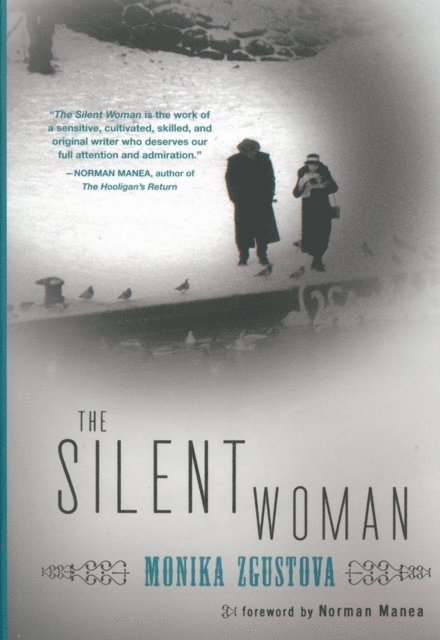
Silent Woman
213 kr
Läs direkt i Bokus Reader – eller ladda ned till din enhet
Beskrivning
This "exhilarating novel" of love, longing, and exile "captures the passion of a century in turmoil" (Rahna Reiko Rizzuto, author of Hiroshima in the Morning). From the "outstanding" Czech writer Monika Zgustova, The Silent Woman depicts a twentieth-century woman''s life against a backdrop of war and political turmoil (Vaclav Havel). Sylva, half Czech and half German, is born into an aristocratic family and lives in a castle outside Prague. She marries a man she doesn''t love and is seduced by the joyful madness of Paris in the 1920s as an ambassador''s wife. When the Nazis force her to state her loyalty, she capitulates, not realizing how this decision will inform and haunt the rest of her life. Sylva''s story is interwoven with that of her son Jan, a world-renowned mathematician and Russian emigre living in the United States, who exudes the restlessness of a man without a country. With insight and candor, Zgustova weaves a multigenerational narrative of the consequences of moral choices and how individuals come to terms with their own forms of exile.
Produktinformation
- Utgivningsdatum: 2014-03-31
- Språk: Engelska
- Filformat: EPUB
- Kopieringsskydd: LCP
- ISBN: 9781558618428
- Förlag: The Feminist Press at CUNY
- Medarbetare: Norman Manea
Utforska kategorier
Betyg & recensioner
0 recensioner
Inga recensioner tillgängliga.