Du är på sajten för privatpersoner.
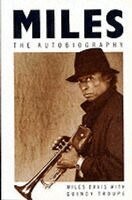
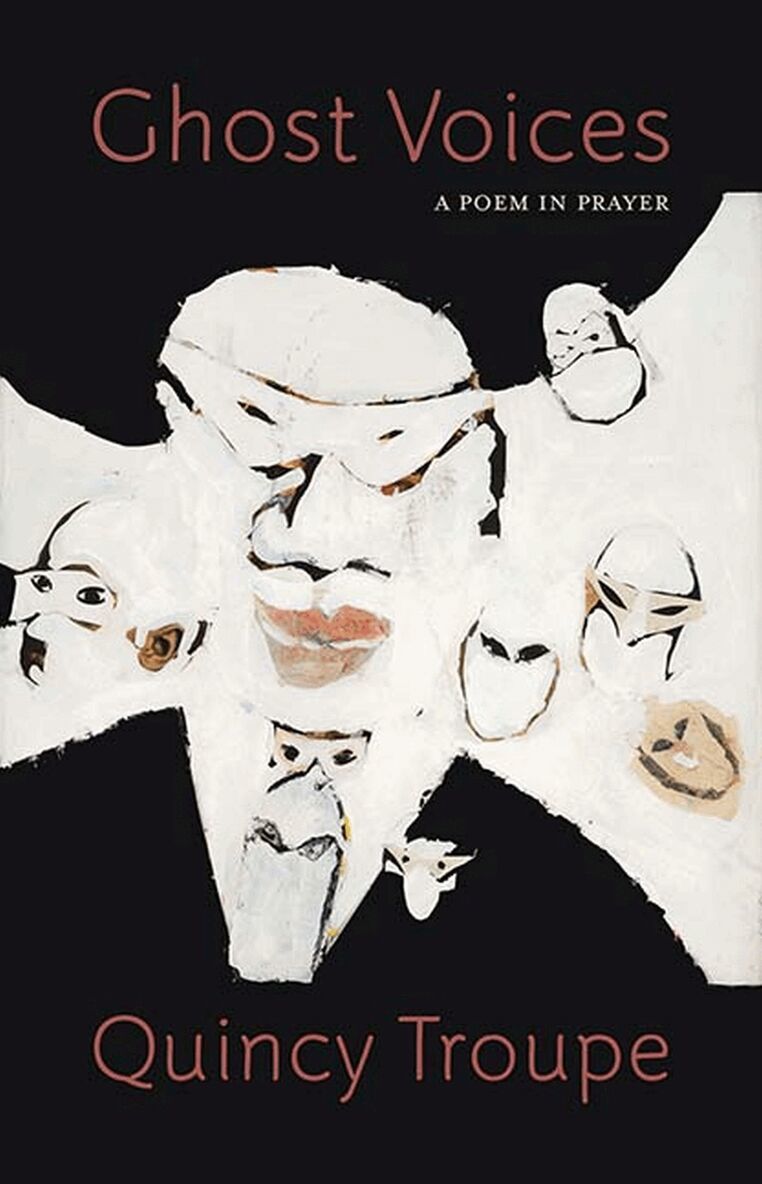
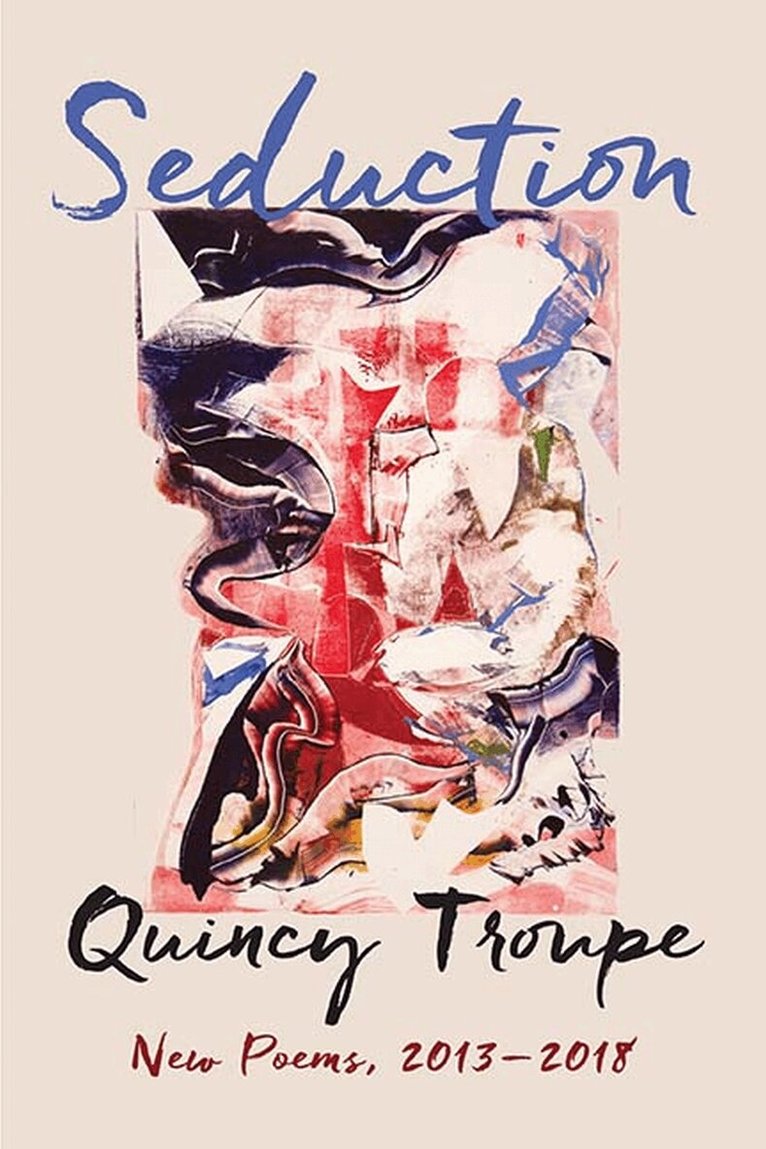
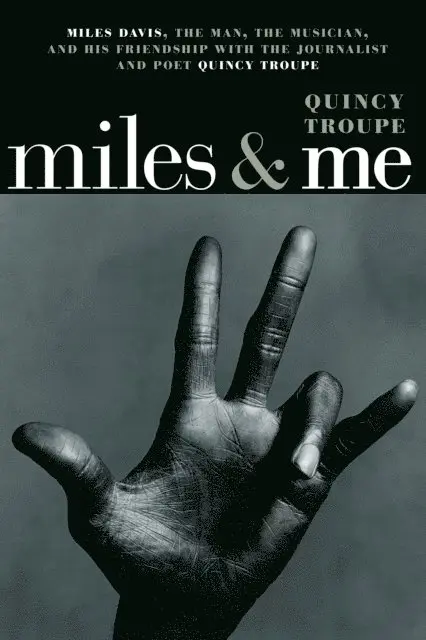
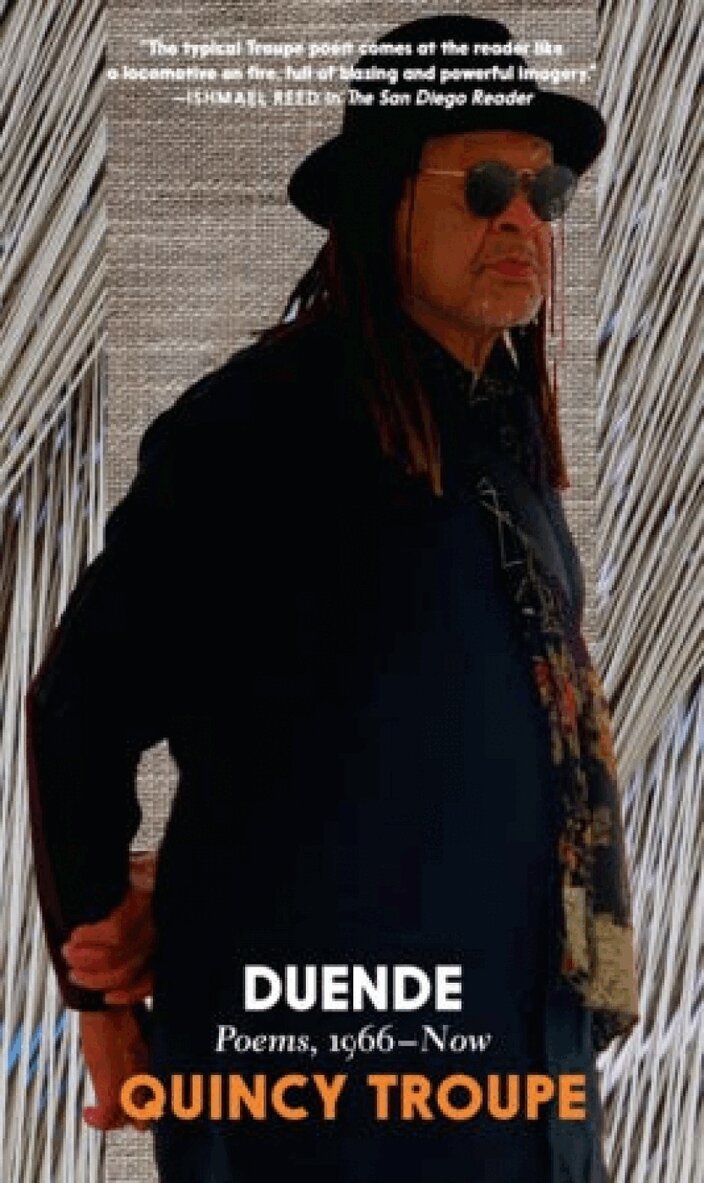
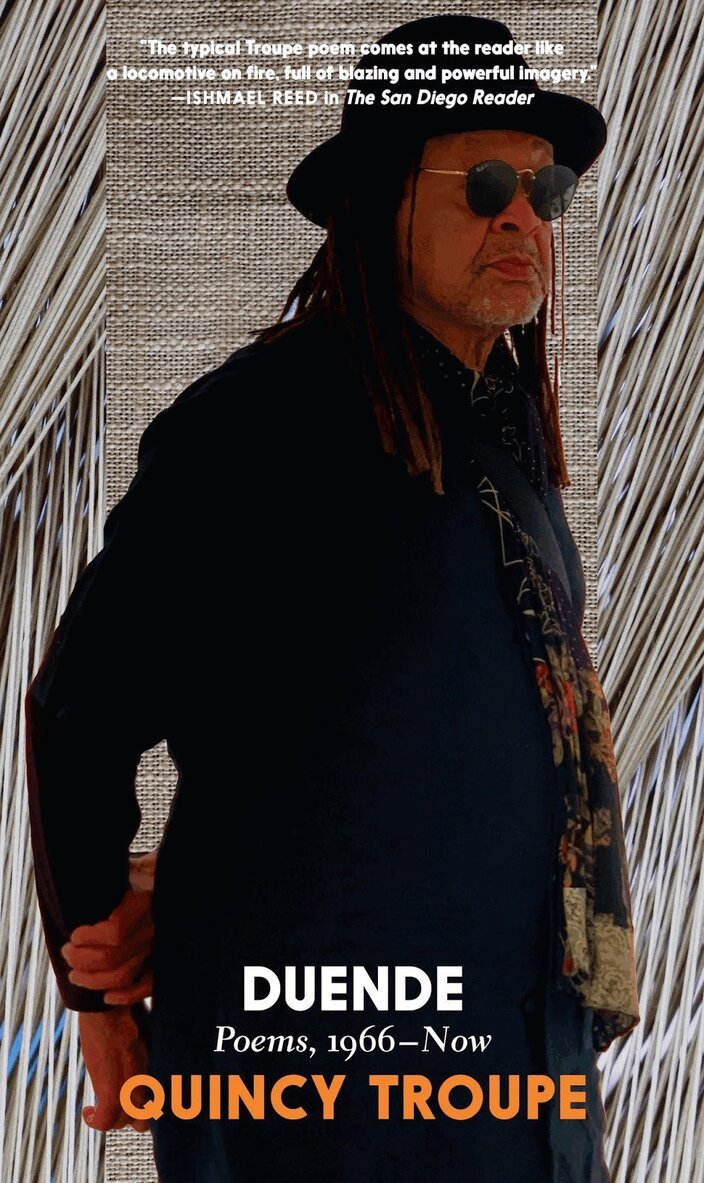
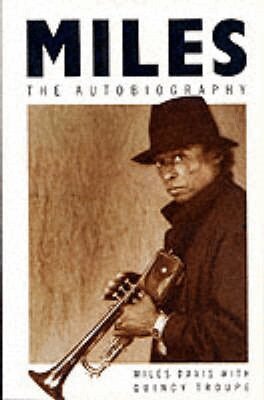
Featured in two PBS poetry series, Quincy Troupe is the author of seven volumes of poetry including Transcircularities and most recently, Errançities. In addition to chronicling his friendship with Miles Davis in Miles and Me, Troupe has recently published children’s books on Magic Johnson and Stevie Wonder. He is also the winner of two American Book Awards, a Peabody Award, and the title of World Heavyweight Champion Poet. He divides his time between New York and a countryside village in Guadeloupe.
Praise for Transcircularities“A multi-award-winning veteran of performance poetry and of the printed page, [Troupe] demonstrates his ebullient and undimmed powers in this capacious selection.” —Publishers Weekly“Troupe is a master of rhythm, repetition and song with an amazing ability to capture the tones and colors of not only speech but the landscape of thoughts, ideas and culture. . . . Transcircularities is important because it succeeds in giving us a panoramic view into the poet’s development of craft and style over the past three decades.” —Black Issues Book Review
Du är på sajten för privatpersoner.
Featured in two PBS poetry series, Quincy Troupe is the author of seven volumes of poetry including Transcircularities and most recently, Errançities. In addition to chronicling his friendship with Miles Davis in Miles and Me, Troupe has recently published children’s books on Magic Johnson and Stevie Wonder. He is also the winner of two American Book Awards, a Peabody Award, and the title of World Heavyweight Champion Poet. He divides his time between New York and a countryside village in Guadeloupe.
Praise for Transcircularities“A multi-award-winning veteran of performance poetry and of the printed page, [Troupe] demonstrates his ebullient and undimmed powers in this capacious selection.” —Publishers Weekly“Troupe is a master of rhythm, repetition and song with an amazing ability to capture the tones and colors of not only speech but the landscape of thoughts, ideas and culture. . . . Transcircularities is important because it succeeds in giving us a panoramic view into the poet’s development of craft and style over the past three decades.” —Black Issues Book Review