E-bok, Engelska, 2007
Gambling Debate
755 kr
Läs direkt i Bokus Reader – eller ladda ned till din enhet (PDF kräver ofta zoom och scroll på små skärmar).
Beskrivning
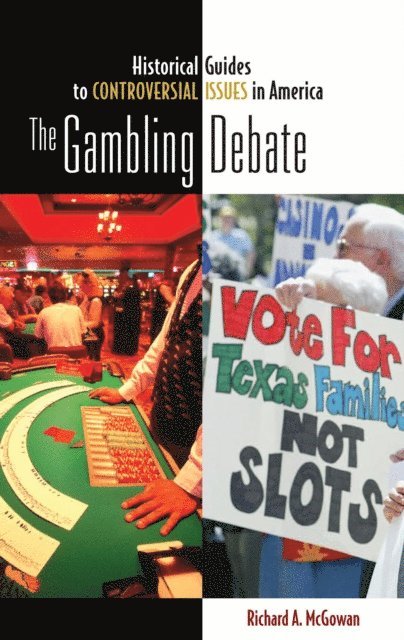
The great majority of Americans—more than 80%—say they approve of gambling, even if they themselves don't gamble. Still, deep divisions persist in our attitudes toward the gambling industry. Is it profoundly destructive, preying on human weakness and stripping its victims of their sustenance and dignity? Or is it a vehicle of the American dream—an engine of personal enrichment, enormous public revenue, and economic development? The industry's explosive growth has sharpened the debate, radically altering the gambling landscape and dramatically raising the stakes involved. Author Richard A. McGowan, a respected authority on the public-policy aspects of gambling and other sin industries, reveals the new dynamics of gambling and frames the age-old ethical and practical questions it poses.
Whether benefit or bane, gambling today permeates American culture in unprecedented ways. Its newest venues—Native American tribal casinos and the Internet—are drawing in new gamblers in vast numbers and generating spectacular profits. Social, legal, and political controversies inevitably have followed.
How should public policymakers approach expanded gambling? As regulator of the gambling industry, government has always been the gatekeeper. Its role and responsibilities remain central to the gambling debate, even while it stands to reap huge windfalls from the very industry it is regulating. Meanwhile, Internet gambling, more or less regulated at home, has found willing government sponsors abroad—removing an ever-larger segment of the industry from U.S. government jurisdiction and recasting the gambling debate.
Using this book, citizens can:
Learn the ethical and rhetorical framework of the gambling debate. The terms of the arguments advanced by advocates and opponents help explain why the gambling industry has been tolerated or encouraged by public policymakers.
Weigh the risks and rewards of government-sanctioned gambling through three actual case studies, from Missouri, Massachusetts, and the Chinese island of Macao—which in 2006 surpassed Las Vegas as the gambling capital of the world.
Each situation highlights particular problems and opportunities, and each is presented with discussion questions.
Take an informed position: Should sports gambling be legalized? Should U.S. restrictions on Internet gambling be loosened? Should government get out of the gambling business altogether?
Find out more about the many facets of the gambling debate by using the study resources provided.
Whether benefit or bane, gambling today permeates American culture in unprecedented ways. Its newest venues—Native American tribal casinos and the Internet—are drawing in new gamblers in vast numbers and generating spectacular profits. Social, legal, and political controversies inevitably have followed.
How should public policymakers approach expanded gambling? As regulator of the gambling industry, government has always been the gatekeeper. Its role and responsibilities remain central to the gambling debate, even while it stands to reap huge windfalls from the very industry it is regulating. Meanwhile, Internet gambling, more or less regulated at home, has found willing government sponsors abroad—removing an ever-larger segment of the industry from U.S. government jurisdiction and recasting the gambling debate.
Using this book, citizens can:
Learn the ethical and rhetorical framework of the gambling debate. The terms of the arguments advanced by advocates and opponents help explain why the gambling industry has been tolerated or encouraged by public policymakers.
Weigh the risks and rewards of government-sanctioned gambling through three actual case studies, from Missouri, Massachusetts, and the Chinese island of Macao—which in 2006 surpassed Las Vegas as the gambling capital of the world.
Each situation highlights particular problems and opportunities, and each is presented with discussion questions.
Take an informed position: Should sports gambling be legalized? Should U.S. restrictions on Internet gambling be loosened? Should government get out of the gambling business altogether?
Find out more about the many facets of the gambling debate by using the study resources provided.
Produktinformation
- Utgivningsdatum: 2007-11-30
- Språk: Engelska
- Antal sidor: 192
- Filformat: PDF
- Kopieringsskydd: LCP
- ISBN: 9781573567428
- Förlag: Bloomsbury Publishing Plc
- Serie: Historical Guides to Controversial Issues in America
Utforska kategorier
Betyg & recensioner
0 recensioner
Inga recensioner tillgängliga.