• Fri frakt över 249 kr
  • •
  • Snabba leveranser
  • •
  • Billiga böcker
Kundservice

Du är på sajten för privatpersoner.

Företag, bibliotek eller offentlig verksamhet?

Du handlar på classic.bokus.com, där alla dina funktioner finns intakta.
Till classic.bokus.com
Bokus logotyp. Gå till startsidan.
  • Erbjudanden
  • Nyheter
  • Student
  • Topplistor
  • Barn & ungdom
  • Bokus Play
  • E-böcker
  • Pocketböcker
  • Spel & pussel

10% rabatt på allt med kod: NYSTART10 →

Sidfot

Mina sidor

    Hjälp

    • Kundservice
    • Vanliga frågor och svar
    • Frakt och leverans
    • Retur vid ångerrätt
    • Reklamera vara
    • Betalning
    • Köpvillkor
    • Allmänna villkor
    • Information om webbplatsens tillgänglighet

    Om Bokus

    • Om oss
    • Pressrum
    • För studenter
    • För företag
    • För bibliotek och offentlig verksamhet
    • För leverantörer
    • Hållbarhet

    Populärt

    • Aktuella erbjudanden
    • Presentkort
    • Studentlitteratur
    • Nya böcker
    • Topplistor
    • Signerade böcker
    • Engelska böcker

    Inspiration

    • Boktips
    • BookTok
    • Populära bokserier
    • Barnbokskaraktärer
    • Populära författare
    Logotyp för Bokus
    Följ oss på Facebook (extern länk)Följ oss på Instagram (extern länk)Följ oss på YouTube (extern länk)Följ oss på TikTok (extern länk)
    bokus @ CookiesAnpassa cookiesIntegritetspolicyKöpvillkor
    Till Citymail hemsida (extern länk)Till Budbee hemsida (extern länk)Till Postnord hemsida (extern länk)Till Schenker hemsida (extern länk)Till Early Bird hemsida (extern länk)Till Walleys hemsida (extern länk)
    1. Hem och Trädgård
    2. Trädgårdsböcker

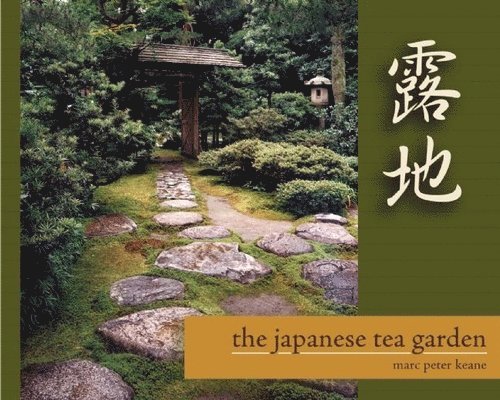
    Japanese Tea Garden

    AvMarc Peter Keane

    Häftad, Engelska, 2014

    718 kr

    Tillfälligt slut

    Beskrivning

    "A necessary addition to the library of any serious student."--The New York Times Sunday Book Review Almost every Japanese garden is influenced by the tea garden. Here, Marc Peter Keane describes the history, design, and aesthetics of tea gardens, from T'ang China to the present day, with over 115 stunning photographs, floor plans, and illustrations. The most extensive book on this genre ever published in English, The Japanese Tea Garden is a rich resource for garden lovers, historians, and landscape architects. Landscape architect Marc Peter Keane lived in Kyoto for twenty years and has a design practice in Ithaca, New York.

    Produktinformation

    • Utgivningsdatum:2014-05-29
    • Mått:201 x 251 x 20 mm
    • Vikt:953 g
    • Format:Häftad
    • Språk:Engelska
    • Antal sidor:296
    • Förlag:Stone Bridge Press
    • ISBN:9781611720150

    Utforska kategorier

    • Trädgårdsböcker inom Hem och Trädgård
    • Trädgårdsplanering och trädgårdsdesign inom Hem och Trädgård

    Mer om författaren

    Marc Peter Keane, a graduate of Cornell University, is an American landscape architect and author. He lived in Kyoto, Japan, for nearly 20 years, and specializes in Japanese garden design. Presently, he maintains a design office in Ithaca, New York. He is the author of several books about garden design: Japanese Garden Design (an introduction to the culture and design of Japanese gardens); Sakuteiki: Visions of the Japanese Garden (a translation of Japan's oldest gardening text, co-authored with Prof. Jiro Takei), The Art of Setting Stones (a collection of philosophical essays on gardens), and The Japanese Tea Garden (history and aesthetics of Japanese tea gardens). Keane has worked as a lecturer in the Department of Environmental Design at the Kyoto University of Art and Design and at Cornell University, and is a fellow at the Research Center for Japanese Garden Art, Kyoto, Japan, and the Institute for Medieval Japanese Studies, New York. He has lectured widely throughout the United States, England, and Japan. Keane also acted as chairman of Kyoto Mitate International for many years, a non-profit organization that worked to revitalize Kyoto's traditional environments and cultural heritage.

    Recensioner i media

    "When Marc Peter Keane describes, with poetry and erudition, the experience of the Japanese garden today, he has no peer."—Leonard Koren, author of Wabi-Sabi"Marc Peter Keane is the undisputed American master of Japanese garden scholars. . . . Since tea gardens have had a major impact on the design of Japanese gardens in general, this book is a necessary addition to the library of any serious student. The rest of us will enter with humility —mindful of the small door through which one must crawl into the tea room—and sip slowly."—New York Times Sunday Book Review"Impeccably written, erudite without being burdensomely intellectual, what sets Keane’s beautifully measured and considered prose style apart from other garden writers is the carefully created mood of his text, which aspires at times to verbalized contemplation. . . . Likely to remain the standard work on the subject for a very long time to come"—Stephen Mansfield, Kyoto Journal"An incredibly beautiful and extremely detailed look at one of the world's most transcendent landscape arts."—The Avant Gardener (NY)"For anyone with a serious interest in Japanese gardens this is an essential purchase."—Graham Hardman , Japanese Garden Society (UK)"A thoroughly engaging, insightful observer."—Booklist

    Innehållsförteckning

    • Acknowledgments iiAn Invitation to Tea x1a brief history of tea 1Tang-Dynasty China (618–907) 3Nara-Period Japan (710–84) 4Song-Dynasty China (960–1279) 5Kamakura-Period Japan (1185–1333) 9Yuan-Dynasty China (1271–1368) 12Ming-Dynasty China (1368–1644) 122cultural background 19Garden History 20Machiya: Merchant Townhouses 23The Hermit in the City 27Tea Aesthetics 393muromachi society 43Bushi: Military Aristocracy 44Zenso: Buddhist Priests 49Shonin: Merchants 57Shokunin/Geinosha: Artisans/Artists 634early development of the roji 67Early Development of the Tea Garden 68Shuko: The Tea of Urban Merchants in the Late 15th Century 70Joo: Wabi and Tea in the Early 16th Century 78Rikyu: The Creation of the Tea Garden During the Late 16th Century 855from roji to chaniwa: tea gardens in the edo period 117The Word Roji 118Tea Gardens in the Early Edo Period 120Early 17th Century: Furuta Oribe and the Beginnings of Daimyo-cha 120Mid-17th Century: Kobori Enshu and the Development of Daimyo-cha 133Late Edo Period: The Codification of Tea Gardens 1396extant tea gardens and gardens influenced by tea 57The Roji of Tea Grand Masters 158Estate Gardens of Provincial Lords 165Imperial Gardens 172Gardens of Merchant Residences 17920th-Century Private Estates 184Other Private Residences 1897parts of a tea garden 197Outer Gate: Soto-mon or Roji-mon 198Tea Path: Roji Michi 201The Waiting Bench: Koshikake 208The Middle Gate: Chumon 211The Water Basin: Tsukubai 216Stone Lanterns: Ishi-doro 224Dust Pit: Chiri-ana 225Privy: Setchin 227Fences: Kakine 227Walls: Kabe 232Garden Well: Ido 232The Plantings: Ueki 233Notes 243Tea Text Summaries 261Glossary of Garden Terminology 268Bibliography 276Index 281