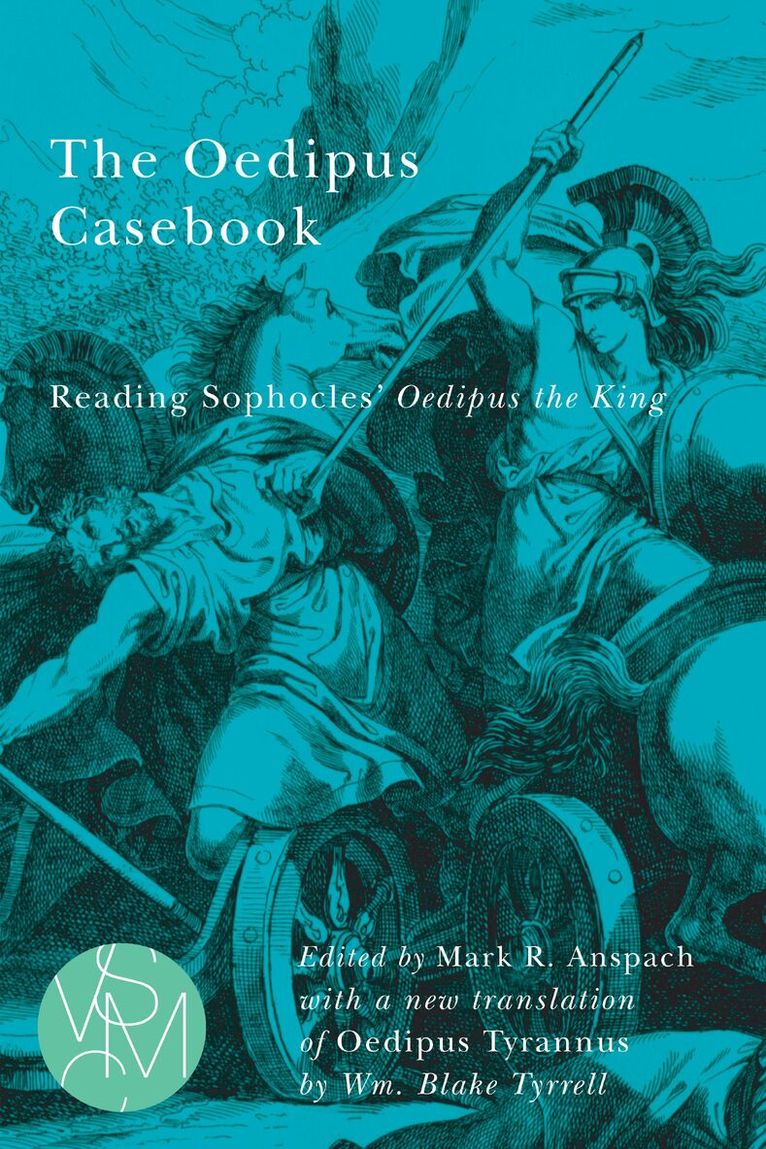
Häftad, Engelska, 2020
Oedipus Casebook
Reading Sophocles' Oedipus the King
Del i serien Studies in Violence, Mimesis & Culture
871 kr
Beställningsvara. Skickas inom 7-10 vardagar. Fri frakt över 249 kr.
Beskrivning
Produktinformation
- Utgivningsdatum: 2020-02-01
- Mått: 152 x 229 x 36 mm
- Vikt: 626 g
- Format: Häftad
- Språk: Engelska
- Serie: Studies in Violence, Mimesis & Culture
- Antal sidor: 360
- Förlag: Michigan State University Press
- ISBN: 9781611863390
Utforska kategorier
Mer om författaren
Mark R. Anspach is the author of Vengeance in Reverse: The Tangled Loops of Violence, Myth, and Madness and the editor of Oedipus Unbound: Selected Writings on Rivalry and Desire, by René Girard.Wm. Blake Tyrrell is Distinguished Professor of Classics at Michigan State University. He is the author of works including The Sacrifice of Socrates: Athens, Plato, Girard and coauthor of Athenian Myths and Institutions: Words in Action.
Recensioner i media
The strength of the book lies in the choice of invigorating essays. . . . Mark Anspach has done brilliantly to combine a wide range of scholarly interests, from Burkert and Delcourt’s anthropological history to Terry Eagleton’s literary criticism, while maintaining a clear, common thread in the strong emphasis on the context of ritual, the scapegoat (pharmakos), and the superficiality of Oedipus’ guilt for the crimes with which he is associated. Particularly exciting is the way that the book plays with ideas of time, place and responsibility. . . . Anspach’s playful selection rewards prolonged study.—Bryn Mawr Classical Review
Betyg & recensioner
0 recensioner
Inga recensioner tillgängliga.