• Fri frakt över 249 kr
  • •
  • Snabba leveranser
  • •
  • Billiga böcker
Kundservice

Du är på sajten för privatpersoner.

Företag, bibliotek eller offentlig verksamhet?

Du handlar på classic.bokus.com, där alla dina funktioner finns intakta.
Till classic.bokus.com
Bokus logotyp. Gå till startsidan.
  • Erbjudanden
  • Nyheter
  • Student
  • Topplistor
  • Barn & ungdom
  • Bokus Play
  • E-böcker
  • Pocketböcker
  • Spel & pussel

Må bättre, för mindre! Upp till 50% rabatt på hälsoböcker

Sidfot

Mina sidor

    Hjälp

    • Kundservice
    • Vanliga frågor och svar
    • Frakt och leverans
    • Retur vid ångerrätt
    • Reklamera vara
    • Betalning
    • Köpvillkor
    • Allmänna villkor
    • Information om webbplatsens tillgänglighet

    Om Bokus

    • Om oss
    • Pressrum
    • För studenter
    • För företag
    • För bibliotek och offentlig verksamhet
    • För leverantörer
    • Hållbarhet

    Populärt

    • Aktuella erbjudanden
    • Presentkort
    • Studentlitteratur
    • Nya böcker
    • Topplistor
    • Signerade böcker
    • Engelska böcker

    Inspiration

    • Boktips
    • BookTok
    • Populära bokserier
    • Barnbokskaraktärer
    • Populära författare
    Logotyp för Bokus
    Följ oss på Facebook (extern länk)Följ oss på Instagram (extern länk)Följ oss på YouTube (extern länk)Följ oss på TikTok (extern länk)
    bokus @ CookiesAnpassa cookiesIntegritetspolicyKöpvillkor
    Till Citymail hemsida (extern länk)Till Budbee hemsida (extern länk)Till Postnord hemsida (extern länk)Till Schenker hemsida (extern länk)Till Early Bird hemsida (extern länk)Till Walleys hemsida (extern länk)
    1. Skönlitteratur
    2. Litteraturvetenskap

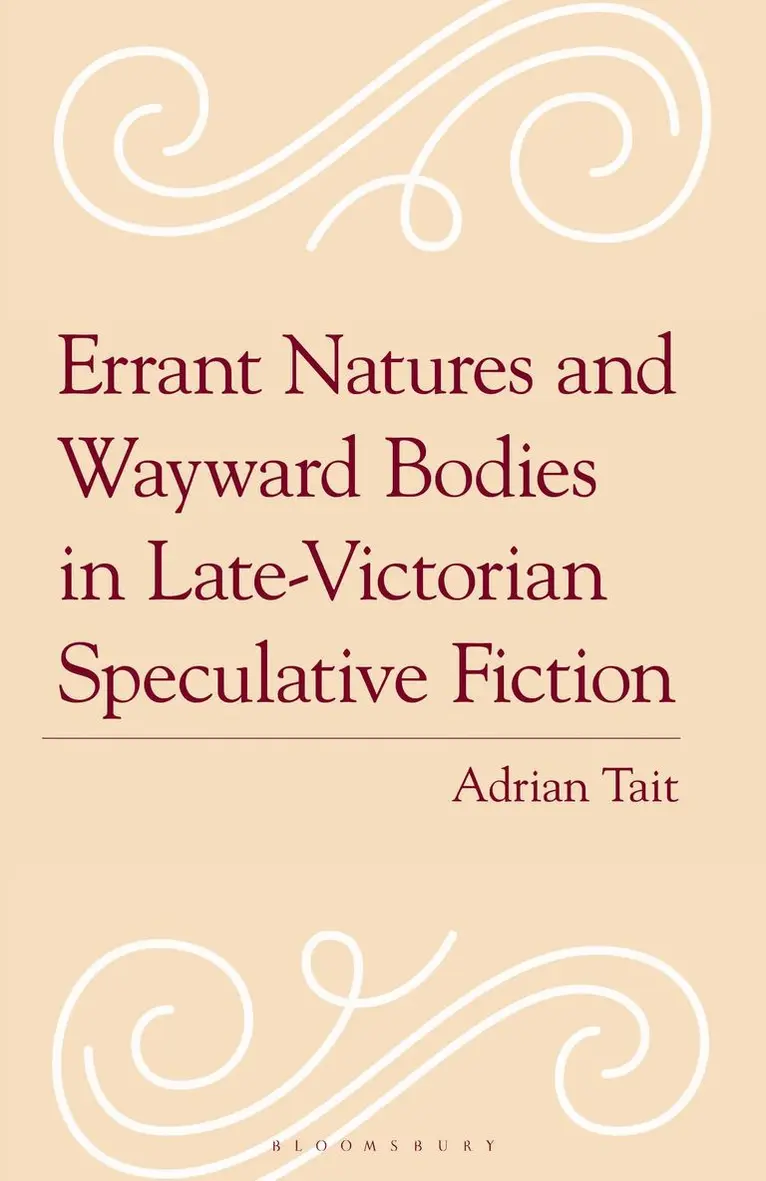
    Errant Natures and Wayward Bodies in Late-Victorian Speculative Fiction

    AvAdrian Tait

    Inbunden, Engelska, 2025

    1 285 kr

    Beställningsvara. Skickas inom 10-15 vardagar. Fri frakt över 249 kr.

    Fler format och utgåvor

    E-bok

    1 392 kr

    Beskrivning

    Adrian Tait argues that late-Victorian stories represent an important but still neglected part of a green literary tradition, setting up a dialogue with modernity that is no less relevant today.Late-Victorian literature is full of fascinating examples of what was then called the “scientific romance,” an emerging form of science or speculative fiction whose concern with the liveliness – or “agentiality” – of the nonhuman animal and more-than-human, natural world today makes it particularly noteworthy. In a succession of short stories and novels, many now forgotten, writers such as Grant Allen, John Davidson, George Griffith, and Henry Marriott Watson dramatized the possibility that “Nature” had not been “conquered” by industrial modernity, but might instead be reacting to it with an unexpected dynamism. Long before environmental issues such as climate change came to the public’s attention, they asked whether humankind might one day inadvertently create existential threats to its own survival. In so doing, these pioneers of sf depicted their world in terms that anticipate the recent new materialist focus on a mutable and dynamic reality, responsive and perhaps resistant to human endeavor.

    Produktinformation

    • Utgivningsdatum:2025-11-13
    • Mått:150 x 232 x 20 mm
    • Vikt:500 g
    • Format:Inbunden
    • Språk:Engelska
    • Antal sidor:248
    • Förlag:Bloomsbury Publishing Plc
    • ISBN:9781666945058

    Utforska kategorier

    • Litteraturvetenskap inom Skönlitteratur
    • Litteraturvetenskap inom Skönlitteratur

    Mer om författaren

    Adrian Tait is an independent scholar

    Recensioner i media

    Tait’s astute and typically skillful study of late-Victorian speculative fiction is a welcome expansion of a field whose value to ecocritical scholarship is now being increasingly recognized for its timely insights into the rise of anxieties about anthropogenic impacts on our fragile world.

    Innehållsförteckning

    • PrefaceIntroduction1. “Nature” Resurgent?2. Animal Attack3. Microbial Onslaught4. Bodily Betrayals: The Divided Self5. An Abnatural Future6. “Nature’s” Revenge?Conclusion: Risk Societies and New WorldsBibliography IndexAbout the Author