• Fri frakt över 249 kr
  • •
  • Snabba leveranser
  • •
  • Billiga böcker
Kundservice

Du är på sajten för privatpersoner.

Företag, bibliotek eller offentlig verksamhet?

Du handlar på classic.bokus.com, där alla dina funktioner finns intakta.
Till classic.bokus.com
Bokus logotyp. Gå till startsidan.
  • Erbjudanden
  • Nyheter
  • Student
  • Topplistor
  • Barn & ungdom
  • Bokus Play
  • E-böcker
  • Pocketböcker
  • Spel & pussel

10% rabatt på allt med kod: NYSTART10 →

Sidfot

Mina sidor

    Hjälp

    • Kundservice
    • Vanliga frågor och svar
    • Frakt och leverans
    • Retur vid ångerrätt
    • Reklamera vara
    • Betalning
    • Köpvillkor
    • Allmänna villkor
    • Information om webbplatsens tillgänglighet

    Om Bokus

    • Om oss
    • Pressrum
    • För studenter
    • För företag
    • För bibliotek och offentlig verksamhet
    • För leverantörer
    • Hållbarhet

    Populärt

    • Aktuella erbjudanden
    • Presentkort
    • Studentlitteratur
    • Nya böcker
    • Topplistor
    • Signerade böcker
    • Engelska böcker

    Inspiration

    • Boktips
    • BookTok
    • Populära bokserier
    • Barnbokskaraktärer
    • Populära författare
    Logotyp för Bokus
    Följ oss på Facebook (extern länk)Följ oss på Instagram (extern länk)Följ oss på YouTube (extern länk)Följ oss på TikTok (extern länk)
    bokus @ CookiesAnpassa cookiesIntegritetspolicyKöpvillkor
    Till Citymail hemsida (extern länk)Till Budbee hemsida (extern länk)Till Postnord hemsida (extern länk)Till Schenker hemsida (extern länk)Till Early Bird hemsida (extern länk)Till Walleys hemsida (extern länk)
    1. Skönlitteratur
    2. Poesi

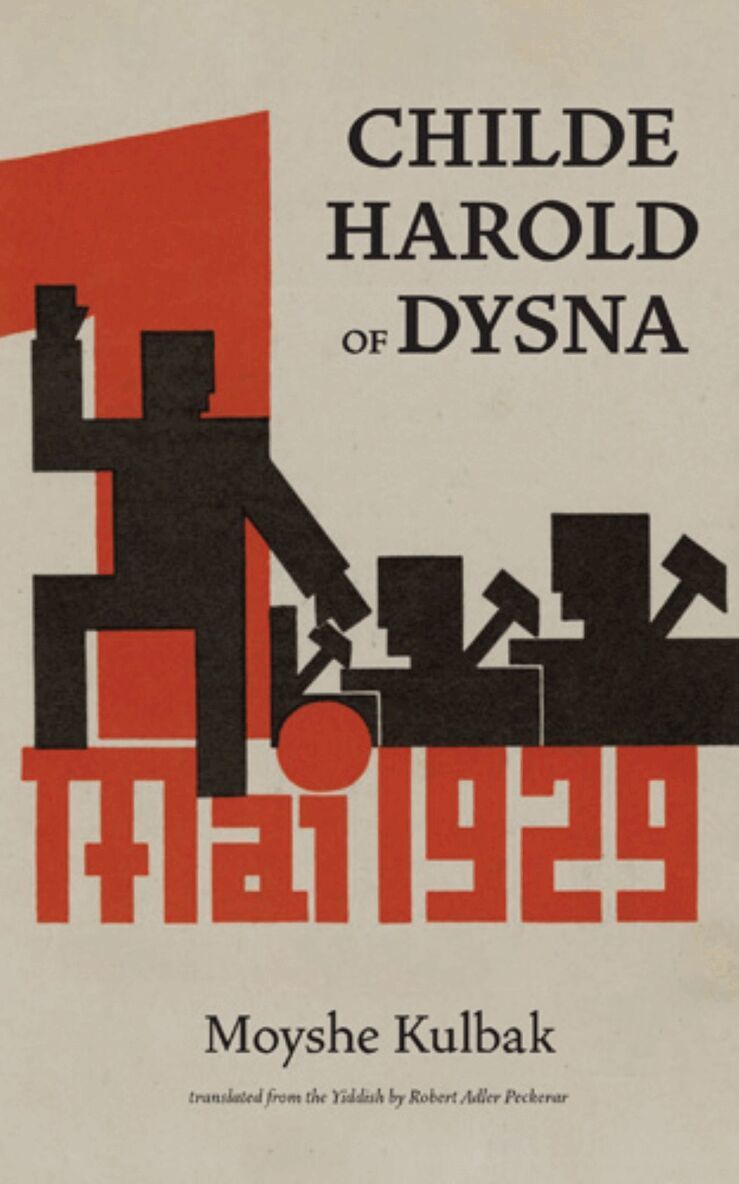
    Childe Harold of Dysna

    AvMoyshe Kulbak

    Häftad, Engelska, 2021

    Del i serien Naydus Press

    220 kr

    Beställningsvara. Skickas inom 5-8 vardagar. Fri frakt över 249 kr.

    Beskrivning

    A masterpiece from one of Yiddish literature's true virtuosi, Moyshe Kulbak's satiric poem from 1933, Childe Harold of Dysna, appears here for the first time in a complete English translation. At once an exuberant celebration of Yiddish language and a searing indictment of capitalist excess, Kulbak's long poem follows the journey of its protagonist from small town Eastern Europe to the metropolis of Weimar Berlin. Drawing on his own experiences in Berlin in the early 1920s, Kulbak offers us a fresh perspective on life in interwar Berlin, and does so in one of the truly great pyrotechnic displays in Yiddish poetry. Robert Adler Peckerar's stunning translation conveys simultaneously Kulbak's verbal brilliance and his searing critique. This beautiful volume includes an introduction by Boris Dralyuk, the executive editor of the Los Angeles Review of Books, and stunning illustrations by Beynish.

    Produktinformation

    • Utgivningsdatum:2021-10-06
    • Mått:128 x 204 x 8 mm
    • Vikt:114 g
    • Format:Häftad
    • Språk:Engelska
    • Serie:Naydus Press
    • Antal sidor:94
    • Förlag:The Naydus Press
    • ISBN:9781734193602
    • Översättare:Robert Adler Peckerar

    Utforska kategorier

    • Poesi inom Skönlitteratur

    Mer om författaren

    The Yiddish language writer Moyshe Kulbak was born in 1896 in Smarhon (present-day Belarus, then in the Russian Empire) to a Jewish family, and later lived in Kovno (present-day Kaunas, Lithuania). After the Soviet Revolution he moved to Vilna (today Vilnius, Lithuania), and then in 1920 to Berlin. In 1923 he came back to Vilna, which after the war had become part of newly independent Poland, and was a centre of Yiddish literary culture. By 1928 he had become disappointed with the literary atmosphere in Poland, and moved to Minsk (by then capital of Soviet Belarus). In 1937 Kulbak was arrested during a wave of Stalinist purges, accused of espionage, and was executed a month later together with many other Belarusian writers and intellectuals. In 1956, after Stalin's death, he was officially rehabilitated by the Soviet authorities. Moyshe Kulbak wrote poems, fantastical or mystical novels, and, after moving to the Soviet Union, what have been described as 'Soviet satires'.