• Fri frakt över 249 kr
  • •
  • Snabba leveranser
  • •
  • Billiga böcker
Kundservice

Du är på sajten för privatpersoner.

Företag, bibliotek eller offentlig verksamhet?

Du handlar på classic.bokus.com, där alla dina funktioner finns intakta.
Till classic.bokus.com
Bokus logotyp. Gå till startsidan.
  • Erbjudanden
  • Nyheter
  • Student
  • Topplistor
  • Barn & ungdom
  • Bokus Play
  • E-böcker
  • Pocketböcker
  • Spel & pussel

10% rabatt på allt med kod: NYSTART10 →

Sidfot

Mina sidor

    Hjälp

    • Kundservice
    • Vanliga frågor och svar
    • Frakt och leverans
    • Retur vid ångerrätt
    • Reklamera vara
    • Betalning
    • Köpvillkor
    • Allmänna villkor
    • Information om webbplatsens tillgänglighet

    Om Bokus

    • Om oss
    • Pressrum
    • För studenter
    • För företag
    • För bibliotek och offentlig verksamhet
    • För leverantörer
    • Hållbarhet

    Populärt

    • Aktuella erbjudanden
    • Presentkort
    • Studentlitteratur
    • Nya böcker
    • Topplistor
    • Signerade böcker
    • Engelska böcker

    Inspiration

    • Boktips
    • BookTok
    • Populära bokserier
    • Barnbokskaraktärer
    • Populära författare
    Logotyp för Bokus
    Följ oss på Facebook (extern länk)Följ oss på Instagram (extern länk)Följ oss på YouTube (extern länk)Följ oss på TikTok (extern länk)
    bokus @ CookiesAnpassa cookiesIntegritetspolicyKöpvillkor
    Till Citymail hemsida (extern länk)Till Budbee hemsida (extern länk)Till Postnord hemsida (extern länk)Till Schenker hemsida (extern länk)Till Early Bird hemsida (extern länk)Till Walleys hemsida (extern länk)
    1. Juridik
    2. Internationell rätt
    3. Folkrätt

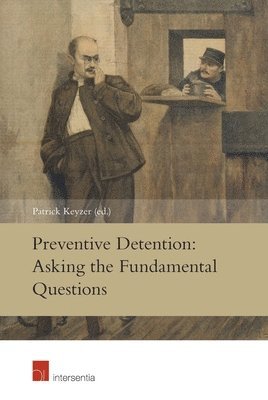
    Preventive Detention: Asking the Fundamental Questions

    AvTBD,Patrick Keyzer

    Häftad, Engelska, 2013

    840 kr

    Tillfälligt slut

    Beskrivning

    In any society some people pose a risk to others. For hundreds of years preventive detention has been authorised by governments to ensure people are available for criminal proceedings (e.g. remand), in the mental health area, for quarantine, for inebriates, enemy aliens, and sexual predators. The policy has also been famously employed more recently to control suspected terrorists. These regimes have proliferated in recent years, and this book asks and answers some of the fundamental questions about these regimes. What are their doctrinal foundations? Is there a risk in laws that blur the historic division between criminal and civil law, allowing civil law to be used for criminal law purposes but without the protection normally provided to criminal defendants? Are they effective in protecting people from harm? How do these regimes challenge fundamental principles, such as human rights? Are our laws and policies geared towards the rehabilitation of the detained? What are the remedies available to people who seek to challenge these regimes?Regimes that punish people who have not been convicted of a fresh crime or that contemplate the infliction of punishment upon breach of a 'control order' require careful scrutiny to avoid human rights abuse. This volume considers preventive detention in its many varying forms across Europe, the Americas and Australasia, interrogates the theoretical underpinnings of the regimes, and then critically analyses these regimes for consistency with international human rights. The volume brings together respected international experts to guide lawmakers, policymakers and academics in an increasingly significant area of penal and public policy.

    Produktinformation

    • Utgivningsdatum:2013-04-25
    • Mått:160 x 240 x undefined mm
    • Vikt:850 g
    • Format:Häftad
    • Språk:Engelska
    • Förlag:Intersentia Ltd
    • ISBN:9781780681177

    Utforska kategorier

    • Folkrätt inom Juridik

    Recensioner i media

    'This essential collection of writings on the growing use of preventive detention could not be more timely. Preventive Detention: Asking the Fundamental Questions provides an international perspective available nowhere else on how democracies can preserve civil liberties while addressing public risk. It needs to be read and discussed by every policymaker, practitioner, and legal scholar concerned with one of the most important issues of our time.' John Petrila, Chair and Professor, Department of Health Policy & Management, University of South Florida