• Fri frakt över 249 kr
  • •
  • Snabba leveranser
  • •
  • Billiga böcker
Kundservice

Du är på sajten för privatpersoner.

Företag, bibliotek eller offentlig verksamhet?

Du handlar på classic.bokus.com, där alla dina funktioner finns intakta.
Till classic.bokus.com
Bokus logotyp. Gå till startsidan.
  • Erbjudanden
  • Nyheter
  • Student
  • Topplistor
  • Barn & ungdom
  • Bokus Play
  • E-böcker
  • Pocketböcker
  • Spel & pussel

10% rabatt på allt med kod: NYSTART10 →

Sidfot

Mina sidor

    Hjälp

    • Kundservice
    • Vanliga frågor och svar
    • Frakt och leverans
    • Retur vid ångerrätt
    • Reklamera vara
    • Betalning
    • Köpvillkor
    • Allmänna villkor
    • Information om webbplatsens tillgänglighet

    Om Bokus

    • Om oss
    • Pressrum
    • För studenter
    • För företag
    • För bibliotek och offentlig verksamhet
    • För leverantörer
    • Hållbarhet

    Populärt

    • Aktuella erbjudanden
    • Presentkort
    • Studentlitteratur
    • Nya böcker
    • Topplistor
    • Signerade böcker
    • Engelska böcker

    Inspiration

    • Boktips
    • BookTok
    • Populära bokserier
    • Barnbokskaraktärer
    • Populära författare
    Logotyp för Bokus
    Följ oss på Facebook (extern länk)Följ oss på Instagram (extern länk)Följ oss på YouTube (extern länk)Följ oss på TikTok (extern länk)
    bokus @ CookiesAnpassa cookiesIntegritetspolicyKöpvillkor
    Till Citymail hemsida (extern länk)Till Budbee hemsida (extern länk)Till Postnord hemsida (extern länk)Till Schenker hemsida (extern länk)Till Early Bird hemsida (extern länk)Till Walleys hemsida (extern länk)
    1. Historia och arkeologi
    2. Historia
    3. Mellanösterns historia

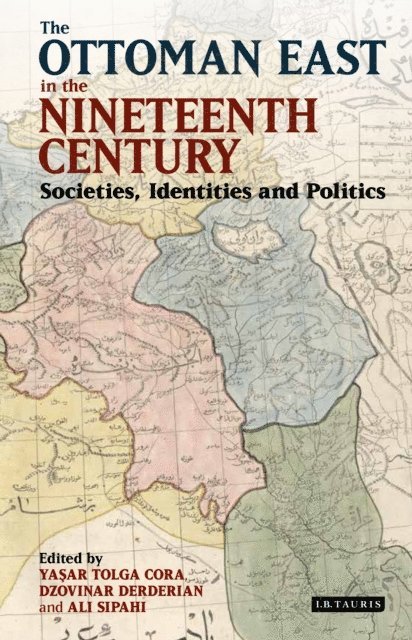
    Ottoman East in the Nineteenth Century

    Societies, Identities and Politics

    AvAli Sipahi,Dzovinar Derderian

    E-bok
    PDF, Engelska, 2016

    2 176 kr

    Läs direkt i Bokus Reader – eller ladda ned till din enhet (PDF kräver ofta zoom och scroll på små skärmar).

    Beskrivning

    The Ottoman East what is also called Western Armenia, Northern Kurdistan or Eastern Anatolia compared to other peripheries of the Ottoman Empire, has received very little attention in Ottoman historiography. So-called taboo subjects such as the fate of Ottoman Armenians and the Kurdish Question during the latter years of the Ottoman Empire have contributed to this dearth of analysis. By integrating the Armenian and Kurdish elements into the study of the Ottoman Empire, this book seeks to emphasise the interaction of different ethno-religious groups. As an area where Ottoman centralization faced unsurpassable challenges, the Ottoman East offers an ideal opportunity to examine an alternative social and political model for imperial governance and the means by which provincial rule interacted with the Ottoman centre. Discussing vital issues across this geographical area, such as trade routes, regional economic trends, migration patterns and the molding of local and national identities, this book offers a unique and fresh approach to the history and politics of modernization and empire in the wider region."

    Produktinformation

    • Utgivningsdatum:2016-06-10
    • Språk:Engelska
    • Antal sidor:352
    • Filformat:PDF
    • Kopieringsskydd:LCP
    • ISBN:9781786730343
    • Förlag:Bloomsbury Publishing PLC

    Utforska kategorier

    • Mellanösterns historia inom Historia och arkeologi

    Mer om författaren

    Ali Sipahi holds a PhD in Anthropology and History from the University of Michigan. Yasar Tolga Cora is a PhD Candidate in Near Eastern Languages and Civilizations from the University of Chicago.Dzovinar Derderian is a PhD Candidate in Near Eastern Studies from the University of Michigan.

    Innehållsförteckning

    • Introduction: Ottoman Historiography's Black Hole. Ya?ar Tolga Cora, Dzovinar Derderian and Ali SipahiPART I: Trans-regional Connectivity: Borders, Immigrants and CosmopolitanismChapter 1: The Role of the Trabzon-Erzurum-Bayezid Road in Regional Politics and Ottoman Diplomacy, 1850s-1910s. Fulya ÖzkanChapter 2: The Political Economy of Armenian Migration from the Harput Region to North America in the Hamidian Era, 1885-1908. David GutmanChapter 3: A Provisional Republic in the Southwest Caucasus: Discourses of Self-Determination on the Ottoman-Caucasian Frontier, 1918-19. Alexander E. BalistreriPART II: Fluid Loyalties and IdentitiesChapter 4: Shaping Subjectivities and Contesting Power through the Image of 'Kurds', 1860s. Dzovinar DerderianChapter 5: Native Pastors or Missionaries? Tondrakians or Protestants? Conflicts between Different Group Identities in Khnus in the mid-19th Century. Ya?ar Tolga CoraChapter 6: 'Devil Worshippers' Encounter the State: 'Heterodox' Identities, State Building and the Politics of Imperial Integration in the Late Ottoman Empire. Edip Gölba??PART III: How Local is Politics, How Central is the State?Chapter 7: Periphery's Center: Reform, Intermediation and Local Notables in Diyarbakir, 1845-55. U?ur Bahad?r BayraktarChapter 8: Complete Ruin of a District: The Sassoun Massacre of 1894. Mehmet PolatelChapter 9: Ottoman Armenians in the Second Constitutional Period: Expectations and Reservations. Ohannes K?l?çda??PART IV: Social History of Space: Land, Culture, PeopleChapter 10: Abandoned Villages in Diyabekir Province at the End of the Little Ice Age, 1800-50. Zozan PehlivanChapter 11: Suburbanization and Urban Duality in the Harput Area. Ali SipahiChapter 12: The Case of the Armenian Mirakyan Tribe of Dersim: Migration, Land Grabbing and Dissolution. Cihangir Gündo?du