Häftad, Engelska, 2022
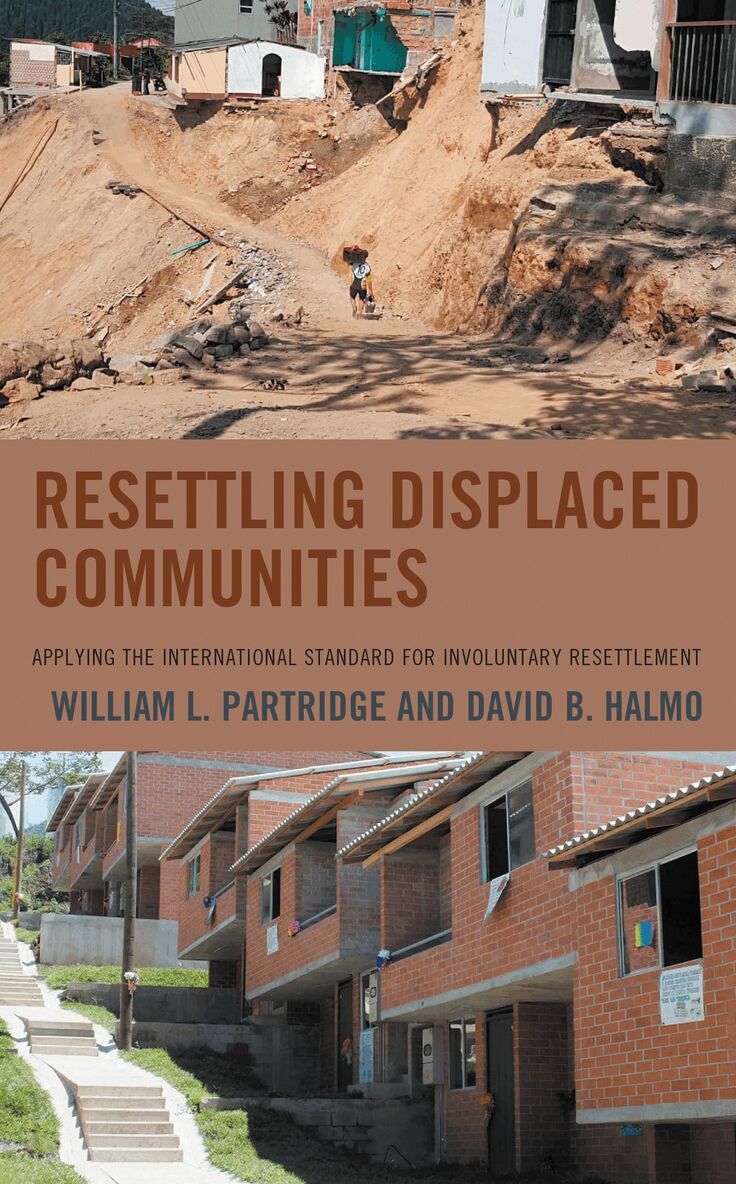
Resettling Displaced Communities
Applying the International Standard for Involuntary Resettlement
Av William L. Partridge, David B. Halmo
Del i serien Crossing Borders in a Global World: Applying Anthropology to Migration, Displacement, and Social Change
514 kr
Beställningsvara. Skickas inom 10-15 vardagar. Fri frakt över 249 kr.
Beskrivning
Produktinformation
- Utgivningsdatum: 2022-08-22
- Mått: 116 x 230 x 18 mm
- Vikt: 349 g
- Format: Häftad
- Språk: Engelska
- Serie: Crossing Borders in a Global World: Applying Anthropology to Migration, Displacement, and Social Change
- Antal sidor: 232
- Förlag: Bloomsbury Publishing Plc
- ISBN: 9781793624048
Utforska kategorier
Mer om författaren
William L. Partridge is independent consultant on involuntary resettlement and retired professor of anthropology and human and organizational development at Vanderbilt University. David B. Halmo is independent researcher and publications review editor for the International Network on Displacement and Resettlement (INDR).
Recensioner i media
Authors Partridge and Halmo are uniquely qualified to explicate the 'resettlement with development' of involuntarily displaced persons. Both are anthropologists, which informs how they approach the topic of how to socially and economically address the millions of people displaced annually by urban development, infrastructure projects, disasters and climate change, and global financial and political crises. There are multiple examples of lessons learned through resettlement, both positive and negative. Further, the authors make a strong case for how and why a holistic perspective, founded in a deep understanding of the structure and function of displaced communities, is essential to inform the resettlement process and the engagement of affected communities. They focus on solution-driven initiatives and the pervasive theme that resettled people as a community must be granted unassailable freedom of choice. The information presented is dense, but the story is well articulated and approachable. There is an essential glossary of acronyms at the front of the volume with cited references and a substantive index at the end. Highly recommended.
Betyg & recensioner
0 recensioner
Inga recensioner tillgängliga.