• Fri frakt över 249 kr
  • •
  • Snabba leveranser
  • •
  • Billiga böcker
Kundservice

Du är på sajten för privatpersoner.

Företag, bibliotek eller offentlig verksamhet?

Du handlar på classic.bokus.com, där alla dina funktioner finns intakta.
Till classic.bokus.com
Bokus logotyp. Gå till startsidan.
  • Erbjudanden
  • Student
  • Topplistor
  • Barn & ungdom
  • Bokus Play
  • E-böcker
  • Ljudböcker
  • Pocketböcker
  • Spel och pussel

5% studentrabatt – använd koden KURSBOK27 →

Sidfot

Mina sidor

    Hjälp

    • Kundservice
    • Vanliga frågor och svar
    • Frakt och leverans
    • Retur vid ångerrätt
    • Reklamera vara
    • Betalning
    • Köpvillkor
    • Allmänna villkor
    • Information om webbplatsens tillgänglighet

    Om Bokus

    • Om oss
    • Pressrum
    • För studenter
    • För företag
    • För bibliotek och offentlig verksamhet
    • För leverantörer
    • Hållbarhet

    Populärt

    • Aktuella erbjudanden
    • Presentkort
    • Studentlitteratur
    • Nya böcker
    • Topplistor
    • Signerade böcker
    • Engelska böcker

    Inspiration

    • Boktips
    • BookTok
    • Barnbokskaraktärer
    • Populära författare
    Logotyp för Bokus
    Följ oss på Facebook (extern länk)Följ oss på Instagram (extern länk)Följ oss på YouTube (extern länk)Följ oss på TikTok (extern länk)
    bokus @ CookiesAnpassa cookiesIntegritetspolicyKöpvillkor
    Till Citymail hemsida (extern länk)Till Budbee hemsida (extern länk)Till Postnord hemsida (extern länk)Till Schenker hemsida (extern länk)Till Early Bird hemsida (extern länk)Till Walleys hemsida (extern länk)
    1. Skönlitteratur
    2. Myter

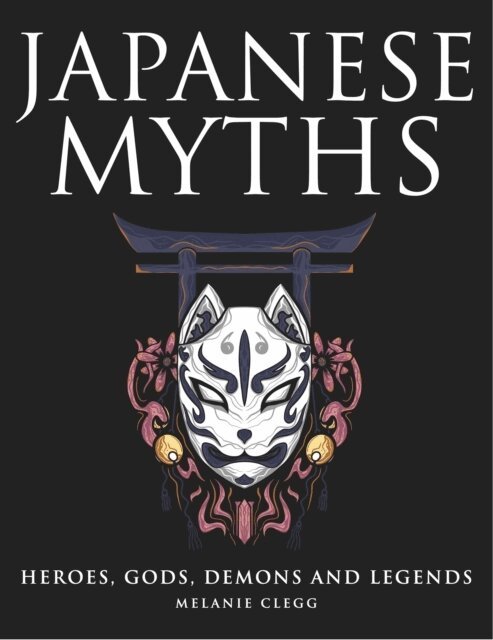
    Japanese Myths

    AvMelanie Clegg

    Inbunden, Engelska, 2023

    Del i serien Myths & Legends

    302 kr

    Skickas . Fri frakt över 249 kr.

    Beskrivning

    Japan’s origin story dates from the eight century CE, written in the Kojiki and Nihon Shoki. From the first creation of heaven, earth and the Japanese archipelago from the tip of a spear by the gods Izanagi and Izanami, Shinto and Buddhist traditions make up the cornerstones of Japanese mythology. Japanese Myths provides a clear, concise introduction to this fascinating if little- known world. Find out about Hachiman (八幡神), the mighty god of war and the divine protector of Japan and its people. Marvel at Fujin (風神), the god of the wind, a popular but terrifying demon – his bag of air is thought to move all the world’s winds, and he is a powerful force of nature alongside his brother, the thunder god Raijin. See Hotei (布袋), the “Laughing Buddha” and one of the most well-known symbols of Buddhism – rubbing his belly is said to bring good luck. And enjoy the myth of Shita-kiri Suzume, or “Toung-Cut Sparrow”, which explores the effects of greed, friendship and jealousy. Illustrated with 150 photographs and artworks, Japanese Myths is an accessible, entertaining and highly informative exploration of everything from the kami holy spirits venerated in Shinto religion to the divine origins of the Japanese imperial family.

    Produktinformation

    • Utgivningsdatum:2023-09-14
    • Mått:252 x 192 x 22 mm
    • Vikt:870 g
    • Format:Inbunden
    • Språk:Engelska
    • Serie:Myths & Legends
    • Antal sidor:224
    • Förlag:Amber Books Ltd
    • ISBN:9781838863180

    Utforska kategorier

    • Myter inom Skönlitteratur

    Mer om författaren

    Melanie Clegg holds a BA (Hons) in Japanese Studies from the University of Oxford. After almost a decade spent in Japan, she now resides in the UK where she works as a freelance Japanese to English translator of video games and other entertainment media. She lives with her husband and their two one-eyed cats.

    Recensioner i media

    What sets this book apart is Clegg's ability to blend scholarly research, travel writing and sociological analysis into one accessible and charming guide. Her summaries reflect her expertise and experiences of living in Japan, offering readers a glimpse into the nuances of Japanese culture … Japanese Myths is a beautifully illustrated reference guide which covers the beliefs, customs and historical events that form the basis of Japanese society, and this is what makes it worth purchasing beyond a separate collection of translated myths … this book would make a lovely gift for someone with a developing interest in Japan.

    Innehållsförteckning

    • Contents to include:Introduction: Sources Two important sources for Japanese myths as they are recognized today are the Kojiki and the Nihon Shoki. The Kojiki, or “Record of Ancient Matters,” is the oldest surviving account of Japan’s myths, legends, and history. Additionally, the Shintōshū describes the origins of Japanese deities from a Buddhist perspectiveCreation Myths & Cosmology According to this legend, after the creation of Heaven and Earth, the gods Izanagi and Izanami were given the task of forming a series of islands that would become what is now Japan. In Japanese mythology, these islands make up the known world. The creation of Japan is followed by the creation of the gods (kamiumi). The origins of the Sun and the Moon are accounted for in Japanese mythology through the myth of Izanagi's return from Yomi. After spending so much time in Yomi, Izanagi cleansed himself with a purification ceremony. As Izanagi cleansed himself, the water and robes that fell from his body created many more gods. Kami - Other Spirits and Deities Amaterasu (天照) is the Japanese sun goddess, daughter of creator deities Izanagi and Izanami, and central to the Shinto religion. Ame-no-Uzume is the Japanese goddess of the dawn, known for her merriment and humor. Benzaiten is a joyous Japanese goddess, dispenser of luck and wisdom. Daikokuten (大黒天) is the Japanese god of luck and fortune-seeking, who favors the bold. Hoderi is the Japanese kami of the sea, whose magical fish hook gave him power over all the ocean’s bounty. Inari (稲荷) is one of the most popular Japanese deities, a kami with influence over rice, tea, general prosperity, smithing, and foxes. Kichijoten (吉祥天) is Japanese Buddhism’s version of the Indian goddess Lakshmi. FEATURE: The Seven Lucky Gods Heroes & Legends The tale of first Emperor Jimmu is considered the origin of the Imperial family. Emperor Jimmu is considered to be the human descendant of Amaterasu the Sun goddess. His ascension to the throne marked the ‘Transition from Age of the Gods to Human Age’. There are many Japanese heroes that are associated with specific locations in Japan, and others that are more well-known across the archipelago. Some heroes are thought to have been real people, such as the Forty-seven rōnin, but their legacy has been transformed into great folktales that depict the historical figures as more gifted, powerful, or knowledgeable than the average person. The heroic adventures of these heroes range from acts of kindness and devotion, such as the myth of Shita-kiri Suzume, to battling frightful enemies, as in the tale of Momotaro. Mythological Creatures & Objects These four creatures are also referred to by a variety of other names, including "Four Guardians", "Four Gods", and "Four Auspicious Beasts". They are the Azure Dragon of the East, the Vermilion Bird of the South, the White Tiger of the West, and the Black Tortoise (also called "Black Warrior") of the North. Kirin were originally introduced to Japan via Chinese myths and legend, where they are known as qilin. Over time, the Chinese and Japanese version diverged into slightly different creatures. In Japan, the kirin is considered to be the most powerful and sacred beast of all, surpassing the hō-ō and tatsu in power. Ghosts and Urban Legends In addition to the most powerful gods and goddesses, there are also millions of kami, or “holy powers,” associated with forces of nature, geographical features, and the spirits of the venerated dead. Yōkai (妖怪, "strange apparition") are a class of supernatural entities and spirits in Japanese folk-lore. Their behavior can range from malevolent or mischievous to benevolent (friendly, fortuitous, or helpful) to humans. FEATURE: Ebisu is one of Japanese mythology’s Seven Lucky Gods, the kami of luck, wealth, and prosperity. Jovial and generous, he is the patron of fishermen and also very popular with corporations and restaurants. Index