• Fri frakt över 249 kr
  • •
  • Snabba leveranser
  • •
  • Billiga böcker
Kundservice

Du är på sajten för privatpersoner.

Företag, bibliotek eller offentlig verksamhet?

Du handlar på classic.bokus.com, där alla dina funktioner finns intakta.
Till classic.bokus.com
Bokus logotyp. Gå till startsidan.
  • Erbjudanden
  • Nyheter
  • Student
  • Topplistor
  • Barn & ungdom
  • Bokus Play
  • E-böcker
  • Pocketböcker
  • Spel & pussel

10% rabatt på allt med kod: NYSTART10 →

Sidfot

Mina sidor

    Hjälp

    • Kundservice
    • Vanliga frågor och svar
    • Frakt och leverans
    • Retur vid ångerrätt
    • Reklamera vara
    • Betalning
    • Köpvillkor
    • Allmänna villkor
    • Information om webbplatsens tillgänglighet

    Om Bokus

    • Om oss
    • Pressrum
    • För studenter
    • För företag
    • För bibliotek och offentlig verksamhet
    • För leverantörer
    • Hållbarhet

    Populärt

    • Aktuella erbjudanden
    • Presentkort
    • Studentlitteratur
    • Nya böcker
    • Topplistor
    • Signerade böcker
    • Engelska böcker

    Inspiration

    • Boktips
    • BookTok
    • Populära bokserier
    • Barnbokskaraktärer
    • Populära författare
    Logotyp för Bokus
    Följ oss på Facebook (extern länk)Följ oss på Instagram (extern länk)Följ oss på YouTube (extern länk)Följ oss på TikTok (extern länk)
    bokus @ CookiesAnpassa cookiesIntegritetspolicyKöpvillkor
    Till Citymail hemsida (extern länk)Till Budbee hemsida (extern länk)Till Postnord hemsida (extern länk)Till Schenker hemsida (extern länk)Till Early Bird hemsida (extern länk)Till Walleys hemsida (extern länk)
    1. Juridik
    2. Internationell rätt
    3. Folkrätt

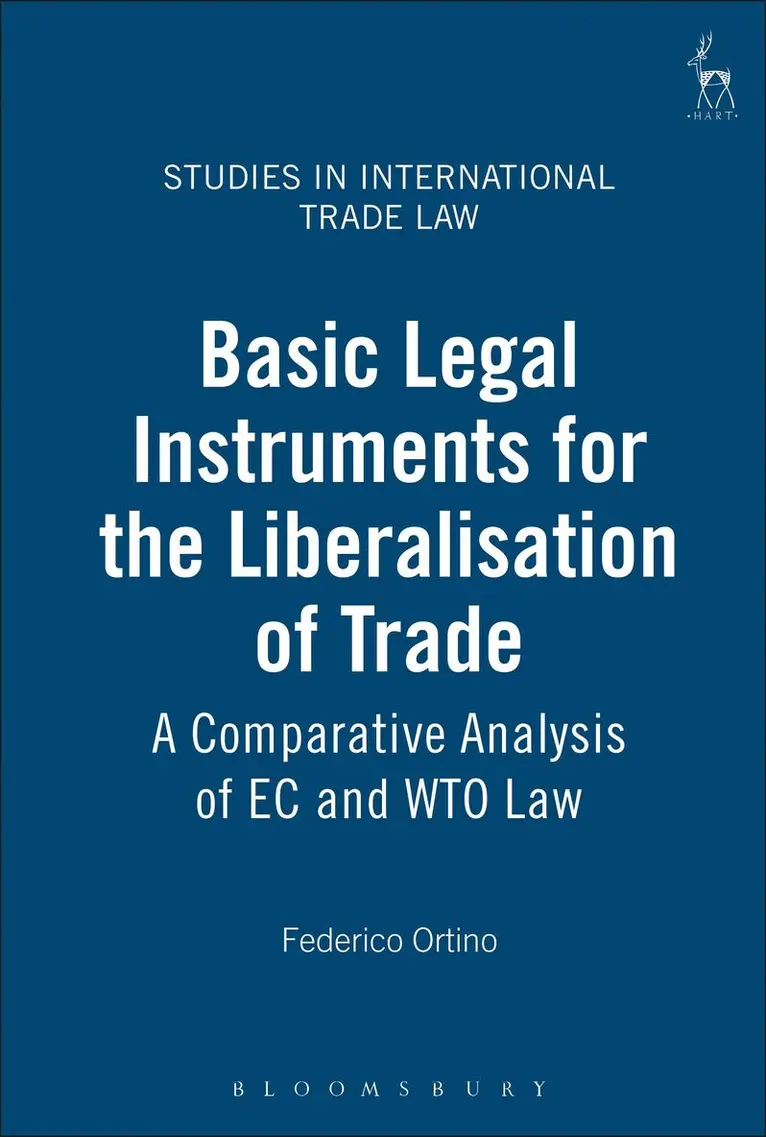
    Basic Legal Instruments for the Liberalisation of Trade

    A Comparative Analysis of EC and WTO Law

    AvFederico Ortino,Gabrielle Marceau

    Inbunden, Engelska, 2004

    Del i serien Studies in International Trade and Investment Law

    2 177 kr

    Beställningsvara. Skickas inom 10-15 vardagar. Fri frakt över 249 kr.

    Fler format och utgåvor

    E-bok

    2 360 kr

    Beskrivning

    The interpretation and application of the rules of international and regional trade is becoming an increasingly specialised field. This study provides an in-depth analysis of the core legal concepts characterising the two most prominent and successful efforts in the regulation of international trade to date. Adopting a comparative method,it analyses the basic legal instruments employed by the EU and the WTO for the purpose of liberalising trade in goods among their respective Members. To this end, this study offers a fresh look at the principles underlying the basic rules of international trade law, including the prohibition of border measures, the principle of non-discrimination on grounds of nationality, and the principle of reasonableness.

    Produktinformation

    • Utgivningsdatum:2004-01-30
    • Mått:156 x 234 x 41 mm
    • Vikt:948 g
    • Format:Inbunden
    • Språk:Engelska
    • Serie:Studies in International Trade and Investment Law
    • Antal sidor:524
    • Förlag:Bloomsbury Publishing PLC
    • ISBN:9781841134253

    Utforska kategorier

    • Folkrätt inom Juridik
    • Särskilda rättsområden inom Juridik

    Mer om författaren

    Federico Ortino is a lecturer in International Trade Law at the University of Trento and a legal consultant to the law firm Mastellone and Associates in Florence, Italy.

    Recensioner i media

    ...most impressive scholarly work. Its foremost value lies in the systematic manner in which the comparative analysis of EC and WTO law is accomplished. Christina Moell Nordic Journal of International Law 2005

    Innehållsförteckning

    • Introduction: Defining the Boundaries of the ResearchPART I. SHALLOW INTEGRATION1. Negative Integration Stricto Sensu: The Elimination of Border Measures2. Judicial Integration—First Layer: The National Treatment Principle and the Prohibition of De Jure DiscriminationPART II. DEEP INTEGRATION3. Judicial Integration—Second Layer: The National Treatment Principle and the Prohibition of De Facto Discrimination4. Judicial Integration—Third Layer: The Reasonableness Rule5. Conclusion