• Fri frakt över 249 kr
  • •
  • Snabba leveranser
  • •
  • Billiga böcker
Kundservice

Du är på sajten för privatpersoner.

Företag, bibliotek eller offentlig verksamhet?

Du handlar på classic.bokus.com, där alla dina funktioner finns intakta.
Till classic.bokus.com
Bokus logotyp. Gå till startsidan.
  • Erbjudanden
  • Nyheter
  • Student
  • Topplistor
  • Barn & ungdom
  • Bokus Play
  • E-böcker
  • Pocketböcker
  • Spel & pussel

10% rabatt på allt med kod: NYSTART10 →

Sidfot

Mina sidor

    Hjälp

    • Kundservice
    • Vanliga frågor och svar
    • Frakt och leverans
    • Retur vid ångerrätt
    • Reklamera vara
    • Betalning
    • Köpvillkor
    • Allmänna villkor
    • Information om webbplatsens tillgänglighet

    Om Bokus

    • Om oss
    • Pressrum
    • För studenter
    • För företag
    • För bibliotek och offentlig verksamhet
    • För leverantörer
    • Hållbarhet

    Populärt

    • Aktuella erbjudanden
    • Presentkort
    • Studentlitteratur
    • Nya böcker
    • Topplistor
    • Signerade böcker
    • Engelska böcker

    Inspiration

    • Boktips
    • BookTok
    • Populära bokserier
    • Barnbokskaraktärer
    • Populära författare
    Logotyp för Bokus
    Följ oss på Facebook (extern länk)Följ oss på Instagram (extern länk)Följ oss på YouTube (extern länk)Följ oss på TikTok (extern länk)
    bokus @ CookiesAnpassa cookiesIntegritetspolicyKöpvillkor
    Till Citymail hemsida (extern länk)Till Budbee hemsida (extern länk)Till Postnord hemsida (extern länk)Till Schenker hemsida (extern länk)Till Early Bird hemsida (extern länk)Till Walleys hemsida (extern länk)
    1. Skönlitteratur
    2. Litteraturvetenskap
    3. Litteraturvetenskap

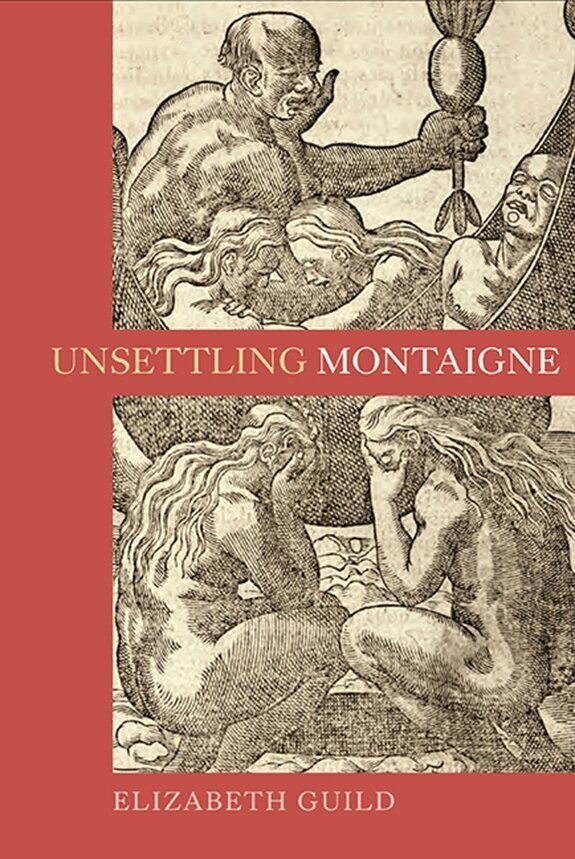
    Unsettling Montaigne

    Poetics, Ethics and Affect in the Essais and Other Writings

    AvElizabeth Guild

    Inbunden, Engelska, 2014

    Del 34 i serien Gallica

    1 388 kr

    Beställningsvara. Skickas inom 5-8 vardagar. Fri frakt över 249 kr.

    Beskrivning

    Striking new readings of Montaigne's works, focussing on such concepts as scepticism and tolerance.Montaigne's Essais (1580-1592) are one of the most remarkable works of the European Renaissance. The Essais' innovative open-mindedness is at odds with the dogmatism and intolerance of their times, the decades of civil and religious wars in France, and their tolerant and searching human questions and ethics of difference remain compelling for twenty-first century readers. But the sceptical open-endedness that vitalizes this writing is also often troubled and troubling: personal losses and the collapse of cultural ideals moved Montaigne to write, and their attendant anxieties are not resolved into tranquil reflection.Unsettling Montaigne reassesses Montaigne's scepticism. Informed by psychoanalytic and related theory, its close attention to Montaigne's complex uses of metaphor illuminates the psychic economy of his scepticism and tolerance and their poetics, while new readings ofhis Essais and other texts reveal the significance of disquieting questions, thought and affect for the ethos his writing fosters. The analysis deals with figures such as cannibals and cannibalism, hunger, shaking, tickling, place, the brother, and haunting in Montaigne's exploration of concepts which tested his understanding and self-understanding. The volume also demonstrates how figuration supports openness to difference for both writer and readers, and is fundamental to this writing's aesthetic, psychic and ethical creativity.Elizabeth Guild lectures in French at the University of Cambridge, and is a Fellow of Robinson College.

    Produktinformation

    • Utgivningsdatum:2014-04-17
    • Mått:156 x 234 x 21 mm
    • Vikt:545 g
    • Format:Inbunden
    • Språk:Engelska
    • Serie:Gallica
    • Antal sidor:306
    • Förlag:Boydell & Brewer Ltd
    • ISBN:9781843843719

    Utforska kategorier

    • Litteraturvetenskap inom Skönlitteratur

    Recensioner i media

    Indispensable for specialists, who will profit from being unsettled from standard readings of Montaigne, but will be of interest to those who want to peer into the labyrinthine mind of one of the Renaissance's most anxious thinkers.