• Fri frakt över 249 kr
  • •
  • Snabba leveranser
  • •
  • Billiga böcker
Kundservice

Du är på sajten för privatpersoner.

Företag, bibliotek eller offentlig verksamhet?

Du handlar på classic.bokus.com, där alla dina funktioner finns intakta.
Till classic.bokus.com
Bokus logotyp. Gå till startsidan.
  • Erbjudanden
  • Nyheter
  • Student
  • Topplistor
  • Barn & ungdom
  • Bokus Play
  • E-böcker
  • Pocketböcker
  • Spel & pussel

10% rabatt på allt med kod: NYSTART10 →

Sidfot

Mina sidor

    Hjälp

    • Kundservice
    • Vanliga frågor och svar
    • Frakt och leverans
    • Retur vid ångerrätt
    • Reklamera vara
    • Betalning
    • Köpvillkor
    • Allmänna villkor
    • Information om webbplatsens tillgänglighet

    Om Bokus

    • Om oss
    • Pressrum
    • För studenter
    • För företag
    • För bibliotek och offentlig verksamhet
    • För leverantörer
    • Hållbarhet

    Populärt

    • Aktuella erbjudanden
    • Presentkort
    • Studentlitteratur
    • Nya böcker
    • Topplistor
    • Signerade böcker
    • Engelska böcker

    Inspiration

    • Boktips
    • BookTok
    • Populära bokserier
    • Barnbokskaraktärer
    • Populära författare
    Logotyp för Bokus
    Följ oss på Facebook (extern länk)Följ oss på Instagram (extern länk)Följ oss på YouTube (extern länk)Följ oss på TikTok (extern länk)
    bokus @ CookiesAnpassa cookiesIntegritetspolicyKöpvillkor
    Till Citymail hemsida (extern länk)Till Budbee hemsida (extern länk)Till Postnord hemsida (extern länk)Till Schenker hemsida (extern länk)Till Early Bird hemsida (extern länk)Till Walleys hemsida (extern länk)
    1. Naturvetenskap och teknik
    2. Geovetenskap
    3. Miljövetenskap och miljöpolitik

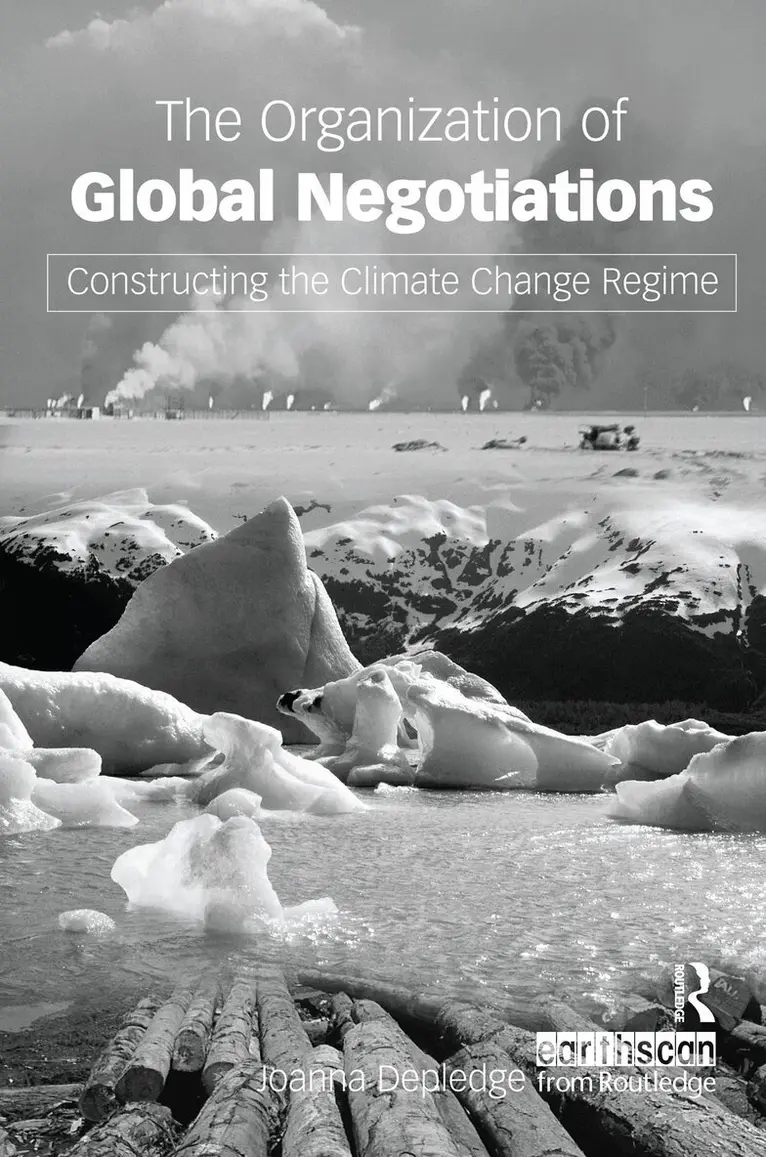
    Organization of Global Negotiations

    Constructing the Climate Change Regime

    AvJoanna Depledge

    Inbunden, Engelska, 2004

    2 551 kr

    Beställningsvara. Skickas inom 11-20 vardagar. Fri frakt över 249 kr.

    Fler format och utgåvor

    E-bok

    855 kr

    E-bok

    855 kr

    Häftad

    723 kr

    Beskrivning

    The basic assumption of this book is that the organization of a negotiation process matters.The global negotiations on climate change involve over 180 countries and innumerable observers and other participants, addressing enormously complex and economically vital issues with conflicting agendas. For the UN to create an effective and well-supported international regime has required enormous and very skilful organization: factors such as the role of the Chair, the choice of negotiating arenas, the rules for the conduct of business and the approach of negotiating texts are usually taken for granted, and rarely attract attention until something goes wrong.This book explores how the negotiations were organized to produce the Kyoto Protocol to the Climate Change Convention and the subsequent Bonn Agreements and Marrakesh Accords. The author draws out the lessons and implications for other intricate and far-reaching negotiations, not all of which have succeeded so far, such as the WTO trade negotiations at Seattle and Cancun.This is essential reading for all participants in and organizers of international negotiations; and for researchers and students of international relations, climate change and environmental studies.

    Produktinformation

    • Utgivningsdatum:2004-12-01
    • Mått:156 x 234 x 21 mm
    • Vikt:660 g
    • Format:Inbunden
    • Språk:Engelska
    • Antal sidor:272
    • Förlag:Taylor & Francis Ltd
    • ISBN:9781844070466

    Utforska kategorier

    • Miljövetenskap och miljöpolitik inom Naturvetenskap och teknik

    Mer om författaren

    Joanna Depledge is Sutasoma Research Fellow at Lucy Cavendish College, Cambridge University, UK

    Innehållsförteckning

    • Introduction  The Organization of Global Negotiations  The Challenges of Climate Change Negotiations  Presiding Officers  Bureaux  The Secretariat  Rules for the Conduct of Business  Decision-making Rules  Negotiating Arenas  Complementary Forums: Workshops, Roundtables and Others  Texts  Time Management  The Political and the Technical: Ministerial Input  Participation by Non-governmental Organizations  Conclusions: Twelve Key Insights