
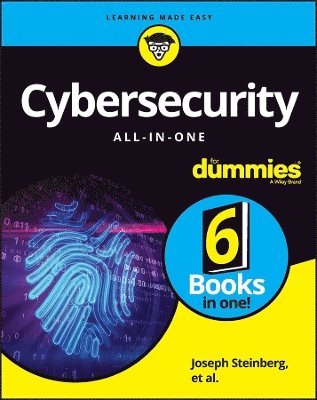
Cybersecurity All-in-One For Dummies
Joseph Steinberg, Kevin Beaver, Ira Winkler, Ted Coombs
Häftad, 2023
426 kr
539 kr
Läs direkt i Bokus Reader – eller ladda ned till din enhet
A comprehensive overview of SSL VPN technologies and design strategies
Key Features
Book Description
Virtual Private Networks (VPNs) provide remote workers with secure access to their company network via the internet by encrypting all data sent between the company network and the user?s machine (the client). Before SSL VPN this typically required the client machine to have special software installed, or at least be specially configured for the purpose.Clientless SSL VPNs avoid the need for client machines to be specially configured. Any computer with a Web browser can access SSL VPN systems. This has several benefits:Low admin costs, no remote configurationUsers can safely access the company network from any machine, be that a public workstation, a palmtop or mobile phoneBy pass ISP restrictions on custom VPNs by using standard technologies SSL VPN is usually provided by a hardware appliance that forms part of the company network. These appliances act as gateways, providing internal services such as file shares, email servers, and applications in a web based format encrypted using SSL. Existing players and new entrants, such as Nokia, Netilla, Symantec, Whale Communications, and NetScreen technologies, are rushing our SSL VPN products to meet growing demand.This book provides a detailed technical and business introduction to SSL VPN. It explains how SSL VPN devices work along with their benefits and pitfalls. As well as covering SSL VPN technologies, the book also looks at how to authenticate and educate users ? a vital element in ensuring that the security of remote locations is not compromised. The book also looks at strategies for making legacy applications accessible via the SSL VPN.What you will learn
Who this book is for
This book aimed at IT network professionals and managers who are currently evaluating SSL VPN technologies. It requires a broad understanding of networking concepts, but does not require specific and detailed technical knowledge of protocols or vendor implementations.
Joseph Steinberg, Kevin Beaver, Ira Winkler, Ted Coombs
Häftad, 2023
426 kr
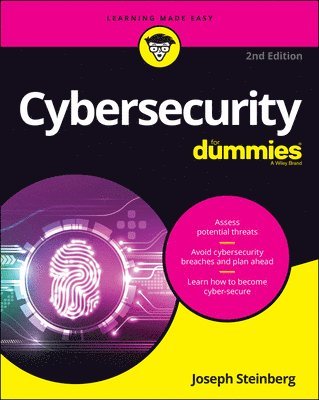
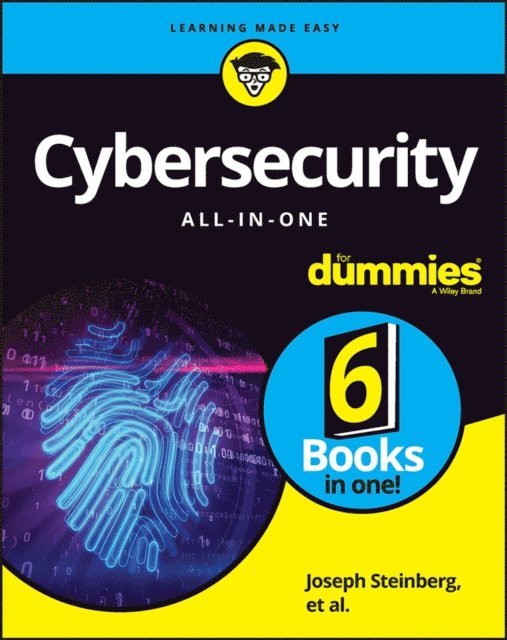
Ted Coombs, Ira Winkler, Kevin Beaver, Joseph Steinberg
624 kr
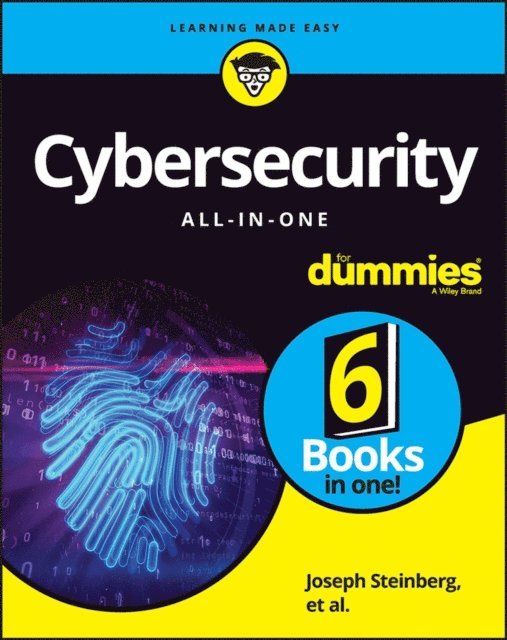
Ted Coombs, Ira Winkler, Kevin Beaver, Joseph Steinberg
579 kr
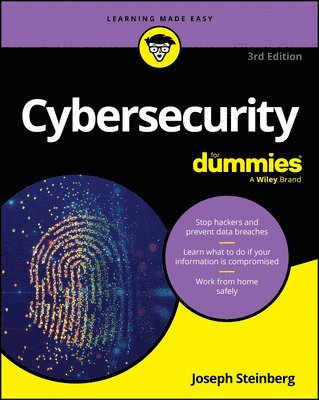
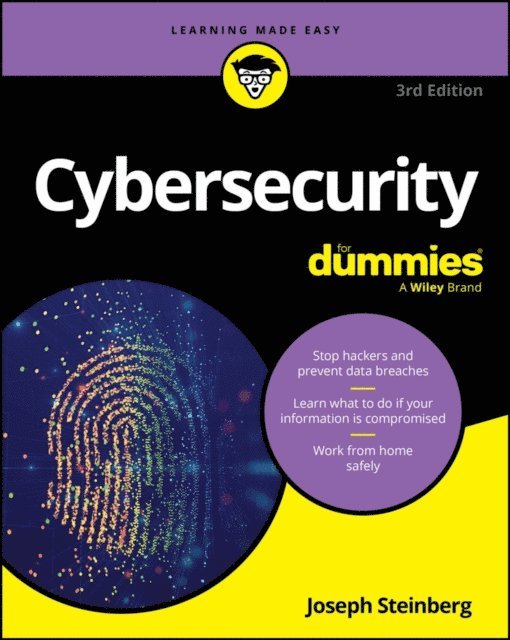
Ted Coombs, Ira Winkler, Kevin Beaver, Joseph Steinberg
624 kr

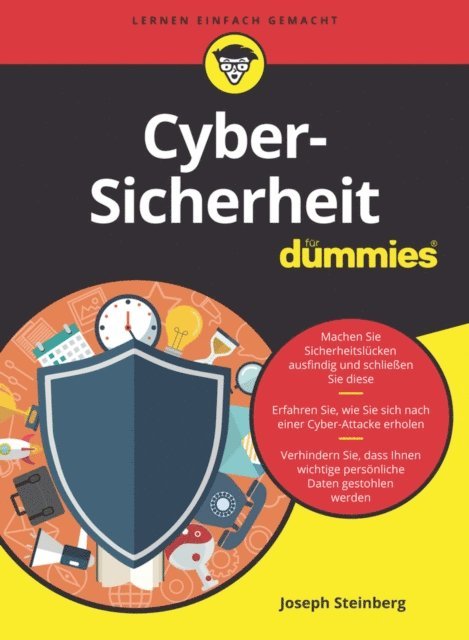
Ted Coombs, Ira Winkler, Kevin Beaver, Joseph Steinberg
579 kr
539 kr
Läs direkt i Bokus Reader – eller ladda ned till din enhet
A comprehensive overview of SSL VPN technologies and design strategies
Key Features
Book Description
Virtual Private Networks (VPNs) provide remote workers with secure access to their company network via the internet by encrypting all data sent between the company network and the user?s machine (the client). Before SSL VPN this typically required the client machine to have special software installed, or at least be specially configured for the purpose.Clientless SSL VPNs avoid the need for client machines to be specially configured. Any computer with a Web browser can access SSL VPN systems. This has several benefits:Low admin costs, no remote configurationUsers can safely access the company network from any machine, be that a public workstation, a palmtop or mobile phoneBy pass ISP restrictions on custom VPNs by using standard technologies SSL VPN is usually provided by a hardware appliance that forms part of the company network. These appliances act as gateways, providing internal services such as file shares, email servers, and applications in a web based format encrypted using SSL. Existing players and new entrants, such as Nokia, Netilla, Symantec, Whale Communications, and NetScreen technologies, are rushing our SSL VPN products to meet growing demand.This book provides a detailed technical and business introduction to SSL VPN. It explains how SSL VPN devices work along with their benefits and pitfalls. As well as covering SSL VPN technologies, the book also looks at how to authenticate and educate users ? a vital element in ensuring that the security of remote locations is not compromised. The book also looks at strategies for making legacy applications accessible via the SSL VPN.What you will learn
Who this book is for
This book aimed at IT network professionals and managers who are currently evaluating SSL VPN technologies. It requires a broad understanding of networking concepts, but does not require specific and detailed technical knowledge of protocols or vendor implementations.
Joseph Steinberg, Kevin Beaver, Ira Winkler, Ted Coombs
Häftad, 2023
426 kr
Ted Coombs, Ira Winkler, Kevin Beaver, Joseph Steinberg
624 kr
Ted Coombs, Ira Winkler, Kevin Beaver, Joseph Steinberg
579 kr
Ted Coombs, Ira Winkler, Kevin Beaver, Joseph Steinberg
624 kr
Ted Coombs, Ira Winkler, Kevin Beaver, Joseph Steinberg
579 kr