• Fri frakt över 249 kr
  • •
  • Snabba leveranser
  • •
  • Billiga böcker
Kundservice

Du är på sajten för privatpersoner.

Företag, bibliotek eller offentlig verksamhet?

Du handlar på classic.bokus.com, där alla dina funktioner finns intakta.
Till classic.bokus.com
Bokus logotyp. Gå till startsidan.
  • Erbjudanden
  • Student
  • Topplistor
  • Barn & ungdom
  • Bokus Play
  • E-böcker
  • Ljudböcker
  • Pocketböcker
  • Spel och pussel

Pocketfynda! Hundratals böcker för 49 kr/st →

Sidfot

Mina sidor

    Hjälp

    • Kundservice
    • Vanliga frågor och svar
    • Frakt och leverans
    • Retur vid ångerrätt
    • Reklamera vara
    • Betalning
    • Köpvillkor
    • Allmänna villkor
    • Information om webbplatsens tillgänglighet

    Om Bokus

    • Om oss
    • Pressrum
    • För studenter
    • För företag
    • För bibliotek och offentlig verksamhet
    • För leverantörer
    • Hållbarhet

    Populärt

    • Aktuella erbjudanden
    • Presentkort
    • Studentlitteratur
    • Nya böcker
    • Topplistor
    • Signerade böcker
    • Engelska böcker

    Inspiration

    • Boktips
    • BookTok
    • Barnbokskaraktärer
    • Populära författare
    Logotyp för Bokus
    Följ oss på Facebook (extern länk)Följ oss på Instagram (extern länk)Följ oss på YouTube (extern länk)Följ oss på TikTok (extern länk)
    bokus @ CookiesAnpassa cookiesIntegritetspolicyKöpvillkor
    Till Citymail hemsida (extern länk)Till Budbee hemsida (extern länk)Till Postnord hemsida (extern länk)Till Schenker hemsida (extern länk)Till Early Bird hemsida (extern länk)Till Walleys hemsida (extern länk)
    1. Samhälle och politik
    2. Politik och statsskick
    3. Internationella relationer

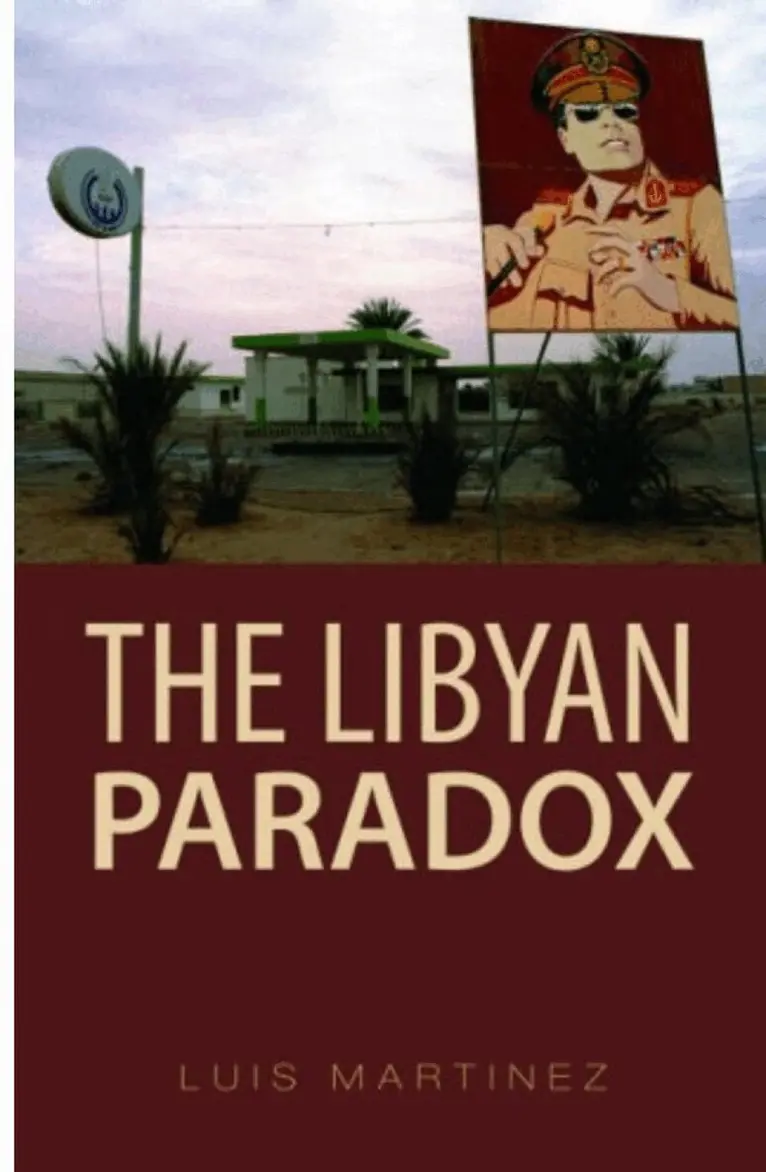
    Libyan Paradox

    AvLuis Martinez

    Inbunden, Engelska, 2007

    328 kr

    Beställningsvara. Skickas inom 7-10 vardagar. Fri frakt över 249 kr.

    Beskrivning

    In 1992 United Nations sanctions were imposed on Libya after it refused to hand over for judgement in an international court two Libyan citizens suspected of involvement in the bombing of a passenger plane over Lockerbie in Scotland in 1988. The sanctions were not suspended until 2003, by which time Libya had undergone fundamental changes. After the sanctions were lifted, those changes accelerated rather than going into reverse. The newly militant attitude of the United States after the events of 9 September 2001, and the invasion of Iraq in March 2003, conveyed to the Libyan leadership that opposition to the West was potentially disastrous. Libya stepped back from the development of nuclear weapons and opened its economy to the West. Meanwhile Colonel Gaddafi, the leader of the Libyan Revolution, has found ways to consolidate his hold on the country. The author suggests that the future of Libya now lies in becoming what he calls-paradoxically-an authoritarian liberal state.

    Produktinformation

    • Utgivningsdatum:2007-07-06
    • Mått:142 x 223 x 14 mm
    • Vikt:360 g
    • Format:Inbunden
    • Språk:Engelska
    • Antal sidor:196
    • Förlag:C Hurst & Co Publishers Ltd
    • ISBN:9781850658351

    Utforska kategorier

    • Internationella relationer inom Samhälle och politik

    Mer om författaren

    Luis Martinez is a researcher at CERI in Paris and author of The Algerian Civil War (Hurst, 2000).

    Recensioner i media

    'Luis Martinez is one of the very few international scholars who can venture informed answers to these questions. He has followed domestic Libyan politics closely for more than two decades, throughout the American embargo and during the United Nations sanctions, and he brings an intimate familiarity with the country to his analysis. He has seen first hand the domestic impact of half a century of oil revenues, nearly four decades of permanent revolution, twenty-five years of American hostility and more than a decade of international isolation, and he is eloquent in describing what his poisonous combination has created.'

    Innehållsförteckning

    • 1. The End of the Embargo2. 11 September 2001: The 'Conversion' of a Regime3. Gaddafi: His Power and Position 4. Is the Jamahiriya Reformable?Conclusion: After Gaddafi?