• Fri frakt över 249 kr
  • •
  • Snabba leveranser
  • •
  • Billiga böcker
Kundservice

Du är på sajten för privatpersoner.

Företag, bibliotek eller offentlig verksamhet?

Du handlar på classic.bokus.com, där alla dina funktioner finns intakta.
Till classic.bokus.com
Bokus logotyp. Gå till startsidan.
  • Erbjudanden
  • Nyheter
  • Student
  • Topplistor
  • Barn & ungdom
  • Bokus Play
  • E-böcker
  • Pocketböcker
  • Spel & pussel

10% rabatt på allt med kod: NYSTART10 →

Sidfot

Mina sidor

    Hjälp

    • Kundservice
    • Vanliga frågor och svar
    • Frakt och leverans
    • Retur vid ångerrätt
    • Reklamera vara
    • Betalning
    • Köpvillkor
    • Allmänna villkor
    • Information om webbplatsens tillgänglighet

    Om Bokus

    • Om oss
    • Pressrum
    • För studenter
    • För företag
    • För bibliotek och offentlig verksamhet
    • För leverantörer
    • Hållbarhet

    Populärt

    • Aktuella erbjudanden
    • Presentkort
    • Studentlitteratur
    • Nya böcker
    • Topplistor
    • Signerade böcker
    • Engelska böcker

    Inspiration

    • Boktips
    • BookTok
    • Populära bokserier
    • Barnbokskaraktärer
    • Populära författare
    Logotyp för Bokus
    Följ oss på Facebook (extern länk)Följ oss på Instagram (extern länk)Följ oss på YouTube (extern länk)Följ oss på TikTok (extern länk)
    bokus @ CookiesAnpassa cookiesIntegritetspolicyKöpvillkor
    Till Citymail hemsida (extern länk)Till Budbee hemsida (extern länk)Till Postnord hemsida (extern länk)Till Schenker hemsida (extern länk)Till Early Bird hemsida (extern länk)Till Walleys hemsida (extern länk)
    1. Psykologi och pedagogik
    2. Psykologi

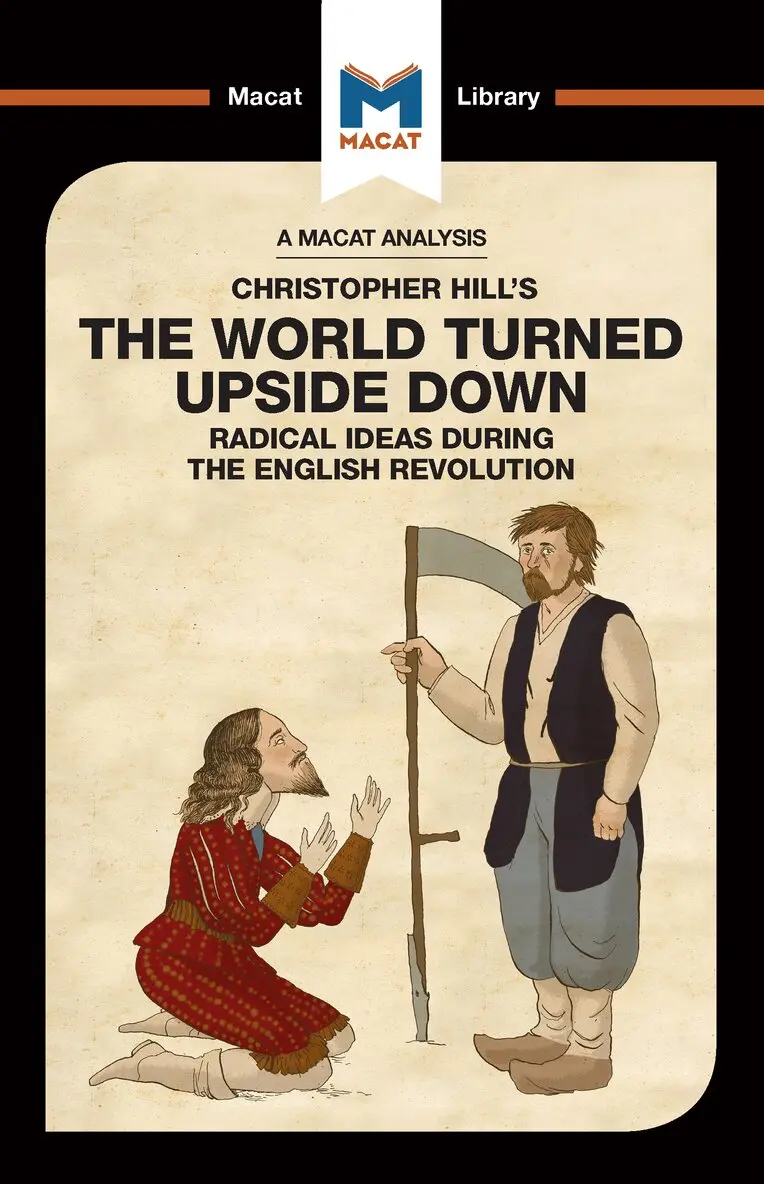
    Analysis of Christopher Hill's The World Turned Upside Down

    Radical Ideas During the English Revolution

    AvHarman Bhogal

    Inbunden, Engelska, 2017

    Del i serien Macat Library

    331 kr

    Beställningsvara. Skickas inom 10-15 vardagar. Fri frakt över 249 kr.

    Fler format och utgåvor

    Häftad

    98 kr

    Beskrivning

    Few works of history have succeeded so completely in forcing their readers to take a fresh look at the evidence as Christopher Hill's The World Turned Upside Down – and that achievement is rooted firmly in Hill's exceptional problem-solving skills. Traditional interpretations of the English Civil War concentrated heavily on a top-down analysis of the doings of king and parliament. Hill looked at ‘history from below,’ focusing instead on the ways in which the people of Britain saw the society they lived in and nurtured hopes for a better future. Failing to understand these factors – and the impact they had on the origins and outcomes of the wars of the 1640s – means failing to understand the historical period. In this sense, Hill's influential work is a great example of the problem-solving skills of asking productive questions and generating alternative possibilities. It forced a generation of historians to re-evaluate the things they thought they knew about a key pivot point in British history – and went on to influence the generations that came after them.

    Produktinformation

    • Utgivningsdatum:2017-07-15
    • Mått:129 x 198 x undefined mm
    • Vikt:340 g
    • Format:Inbunden
    • Språk:Engelska
    • Serie:Macat Library
    • Antal sidor:96
    • Förlag:Macat International Limited
    • ISBN:9781912302611

    Utforska kategorier

    • Psykologi inom Psykologi och pedagogik
    • Filosofi inom Filosofi och religion
    • Studieteknik och inlärningsförmåga inom Psykologi och pedagogik

    Mer om författaren

    Dr Harman Bhogal holds a PhD in early Modern History from Birkbeck, London.Dr Liam Haydon holds a doctorate in English literature from Manchester University. He is currently a postdoctoral researcher at the University of Kent, where his work focuses on the cultural impacts of global trade in the early seventeenth century.

    Innehållsförteckning

    • Ways in to the Text Who was Christopher Hill? What does The World Turned Upside Down Say? Why does The World Turned Upside Down Matter? Section 1: Influences Module 1: The Author and the Historical Context Module 2: Academic Context Module 3: The Problem Module 4: The Author's Contribution Section 2: Ideas Module 5: Main Ideas Module 6: Secondary Ideas Module 7: Achievement Module 8: Place in the Author's Work Section 3: Impact Module 9: The First Responses Module 10: The Evolving Debate Module 11: Impact and Influence Today Module 12: Where Next? Glossary of Terms People Mentioned in the Text Works Cited