Häftad, Engelska, 2019
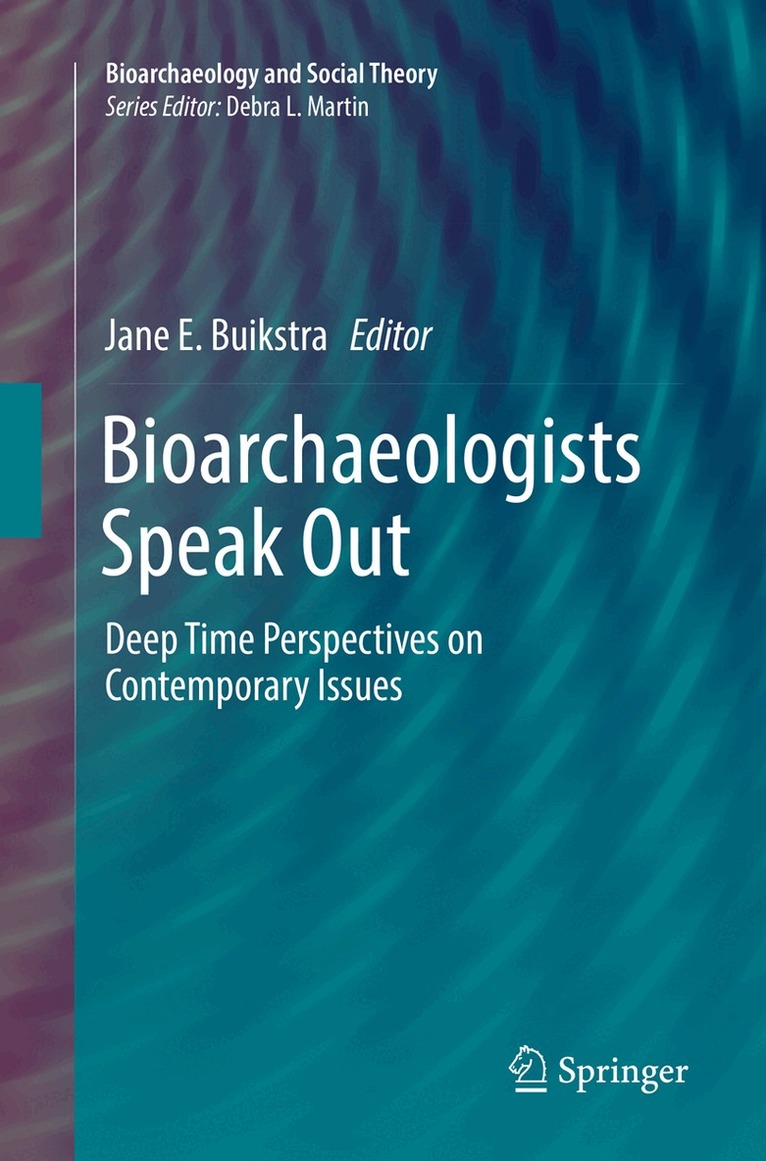
Bioarchaeologists Speak Out
1800 kr
Beställningsvara. Skickas inom 10-15 vardagar. Fri frakt över 249 kr.
Beskrivning
Bioarchaeologists who study human remains in ancient, historic and contemporary settings are securely anchored within anthropology as anthropologists, yet they have not taken on the pundits the way other subdisciplines within anthropology have. Popular science authors frequently and selectively use bioarchaeological data on demography, disease, violence, migration and diet to buttress their poorly formed arguments about general trends in human behavior and health, beginning with our earliest ancestors. While bioarchaeologists are experts on these subjects, bioarchaeology and bioarchaeological approaches have largely remained invisible to the public eye. Current issues such as climate change, droughts, warfare, violence, famine, and the effects of disease are media mainstays and are subjects familiar to bioarchaeologists, many of whom have empirical data and informed viewpoints, both for topical exploration and also for predictions based on human behavior in deep time. The contributions in this volume will explore the how and where the data has been misused, present new ways of using evidence in the service of making new discoveries, and demonstrate ways that our long term interdisciplinarity lends itself to transdisciplinary wisdom. We also consider possible reasons for bioarchaeological invisibility and offer advice concerning the absolute necessity of bioarchaeologists speaking out through social media.
Produktinformation
- Utgivningsdatum: 2019-01-08
- Mått: 155 x 235 x 19 mm
- Vikt: 528 g
- Format: Häftad
- Språk: Engelska
- Serie: Bioarchaeology and Social Theory
- Antal sidor: 334
- Förlag: Springer Nature Switzerland AG
- ISBN: 9783030065683
Utforska kategorier
Betyg & recensioner
0 recensioner
Inga recensioner tillgängliga.