• Fri frakt över 249 kr
  • •
  • Snabba leveranser
  • •
  • Billiga böcker
Kundservice

Du är på sajten för privatpersoner.

Företag, bibliotek eller offentlig verksamhet?

Du handlar på classic.bokus.com, där alla dina funktioner finns intakta.
Till classic.bokus.com
Bokus logotyp. Gå till startsidan.
  • Erbjudanden
  • Nyheter
  • Student
  • Topplistor
  • Barn & ungdom
  • Bokus Play
  • E-böcker
  • Pocketböcker
  • Spel & pussel

Må bättre, för mindre! Upp till 50% rabatt på hälsoböcker

Sidfot

Mina sidor

    Hjälp

    • Kundservice
    • Vanliga frågor och svar
    • Frakt och leverans
    • Retur vid ångerrätt
    • Reklamera vara
    • Betalning
    • Köpvillkor
    • Allmänna villkor
    • Information om webbplatsens tillgänglighet

    Om Bokus

    • Om oss
    • Pressrum
    • För studenter
    • För företag
    • För bibliotek och offentlig verksamhet
    • För leverantörer
    • Hållbarhet

    Populärt

    • Aktuella erbjudanden
    • Presentkort
    • Studentlitteratur
    • Nya böcker
    • Topplistor
    • Signerade böcker
    • Engelska böcker

    Inspiration

    • Boktips
    • BookTok
    • Populära bokserier
    • Barnbokskaraktärer
    • Populära författare
    Logotyp för Bokus
    Följ oss på Facebook (extern länk)Följ oss på Instagram (extern länk)Följ oss på YouTube (extern länk)Följ oss på TikTok (extern länk)
    bokus @ CookiesAnpassa cookiesIntegritetspolicyKöpvillkor
    Till Citymail hemsida (extern länk)Till Budbee hemsida (extern länk)Till Postnord hemsida (extern länk)Till Schenker hemsida (extern länk)Till Early Bird hemsida (extern länk)Till Walleys hemsida (extern länk)
    1. Språk och ordböcker
    2. Språk: referensverk och allmänt
    3. Språk: historia och allmänt

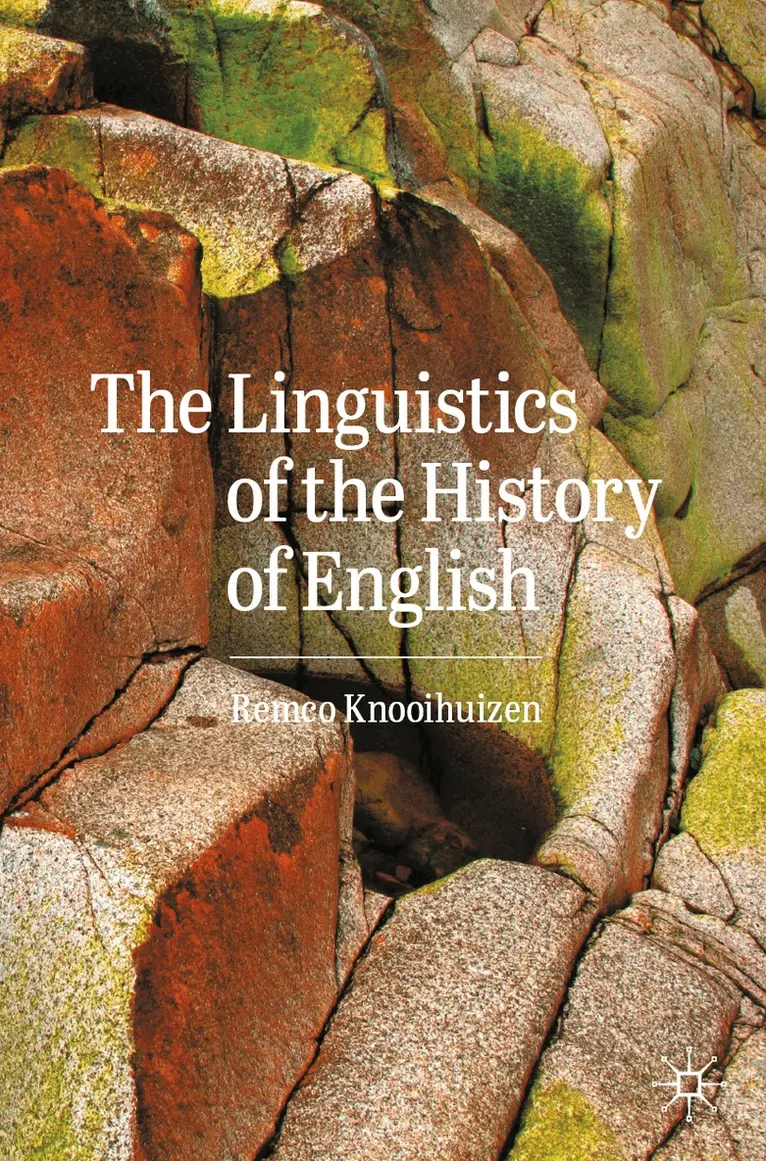
    Linguistics of the History of English

    AvRemco Knooihuizen

    Häftad, Engelska, 2023

    507 kr

    Beställningsvara. Skickas inom 10-15 vardagar. Fri frakt över 249 kr.

    Fler format och utgåvor

    E-bok

    650 kr

    Beskrivning

    This textbook approaches the history of English from a theoretical perspective. The book provides a brief chronological overview describing the way in which the English language has changed over time from Old English to Modern English, while subsequent parts adopt a theoretical focus that is thematically organised to deal with the question of how and why English changed in the way it did, including a part addressing some specific contact-induced changes and key topics such as English as a Lingua Franca. Supported throughout with information boxes with empirical studies, the examples given are all drawn from English, but boxes with examples from other languages tie the development of the English language into changes in other contexts and settings. This book is an ideal resource for undergraduate students of the English Language and historical linguistics.

    Produktinformation

    • Utgivningsdatum:2023-10-28
    • Mått:155 x 235 x 16 mm
    • Vikt:356 g
    • Format:Häftad
    • Språk:Engelska
    • Antal sidor:210
    • Förlag:Springer International Publishing AG
    • ISBN:9783031416910

    Utforska kategorier

    • Språk: historia och allmänt inom Språk och ordböcker
    • Språkvetenskap och lingvistik inom Språk och ordböcker

    Mer om författaren

    Remco Knooihuizen is an Assistant Professor in English Language and Linguistics at the University of Groningen, the Netherlands. His research includes experimental work on speakers' implicit awareness of strong verbal inflection patterns and verbal syntax in Dutch and Frisian, and contact-induced change in the pronoun system of Faroese. At the University of Groningen, he is responsible for courses on language variation and language change in the BA English Language and Culture.

    Innehållsförteckning

    • Part I    Introduction.- So what had happened was….- Explaining language change.- Part II   Sound change.- Phonetic change.- Phonological change.- Track changes.- Part III  Contact-induced change.- Language contact.- Dialect contact.- Part IV Structural change.- Analogy.- Grammaticalisation.- Syntactic change.- The loss of case.