• Fri frakt över 249 kr
  • •
  • Snabba leveranser
  • •
  • Billiga böcker
Kundservice

Du är på sajten för privatpersoner.

Företag, bibliotek eller offentlig verksamhet?

Du handlar på classic.bokus.com, där alla dina funktioner finns intakta.
Till classic.bokus.com
Bokus logotyp. Gå till startsidan.
  • Erbjudanden
  • Student
  • Topplistor
  • Barn & ungdom
  • Bokus Play
  • E-böcker
  • Ljudböcker
  • Pocketböcker
  • Spel & pussel

Upp till 25% på utvalda nyheter →

Sidfot

Mina sidor

    Hjälp

    • Kundservice
    • Vanliga frågor och svar
    • Frakt och leverans
    • Retur vid ångerrätt
    • Reklamera vara
    • Betalning
    • Köpvillkor
    • Allmänna villkor
    • Information om webbplatsens tillgänglighet

    Om Bokus

    • Om oss
    • Pressrum
    • För studenter
    • För företag
    • För bibliotek och offentlig verksamhet
    • För leverantörer
    • Hållbarhet

    Populärt

    • Aktuella erbjudanden
    • Presentkort
    • Studentlitteratur
    • Nya böcker
    • Topplistor
    • Signerade böcker
    • Engelska böcker

    Inspiration

    • Boktips
    • BookTok
    • Populära bokserier
    • Barnbokskaraktärer
    • Populära författare
    Logotyp för Bokus
    Följ oss på Facebook (extern länk)Följ oss på Instagram (extern länk)Följ oss på YouTube (extern länk)Följ oss på TikTok (extern länk)
    bokus @ CookiesAnpassa cookiesIntegritetspolicyKöpvillkor
    Till Citymail hemsida (extern länk)Till Budbee hemsida (extern länk)Till Postnord hemsida (extern länk)Till Schenker hemsida (extern länk)Till Early Bird hemsida (extern länk)Till Walleys hemsida (extern länk)
    1. Ekonomi och Ledarskap
    2. Nationalekonomi
    3. Internationell ekonomi

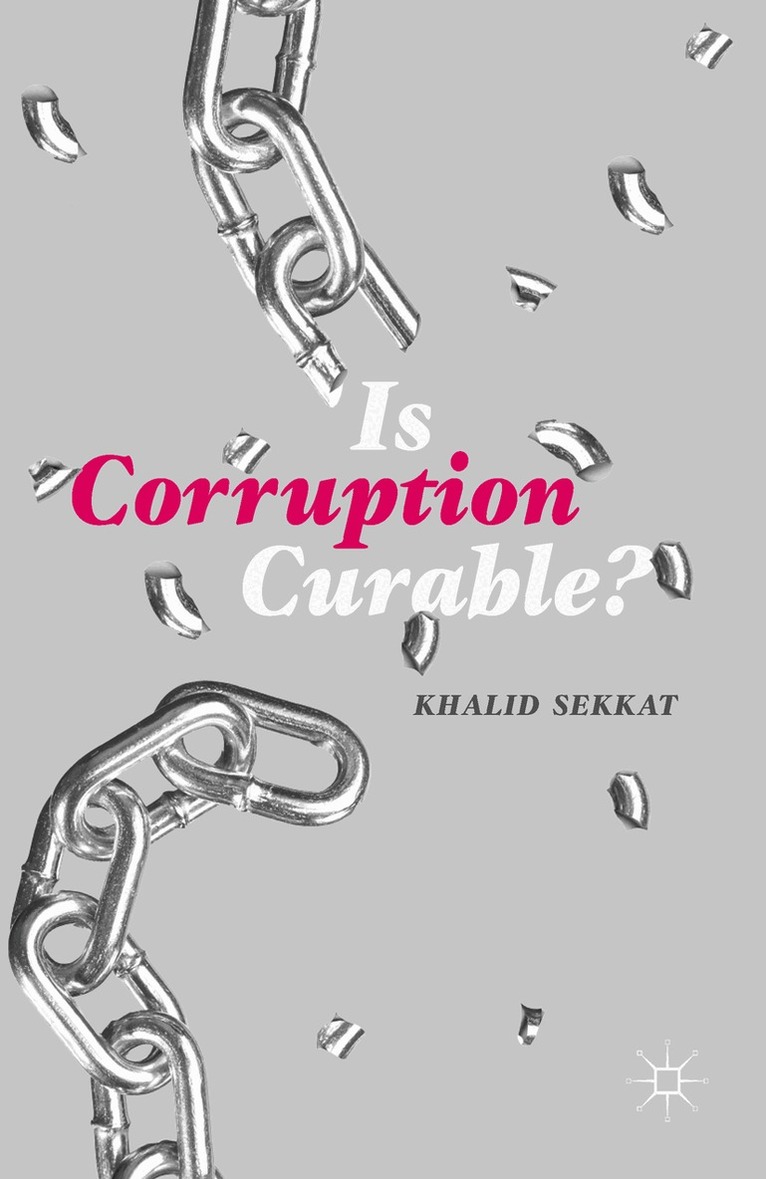
    Is Corruption Curable?

    AvKhalid Sekkat

    Inbunden, Engelska, 2018

    1 341 kr

    Beställningsvara. Skickas inom 10-15 vardagar. Fri frakt över 249 kr.

    Fler format och utgåvor

    Häftad

    1 341 kr

    E-bok

    1 780 kr

    Beskrivning

    This book explores how corruption is now widely recognized as a major “disease” which threatens not only economic development but also the foundations of societies. As well as examining the causes and consequences of corruption, this book also offers a deep analysis of possible cures. It discusses the solutions that have been adopted in different countries and at the international level in order to curb corruption. Previous analyses have focused mainly on the causes and consequences of corruption but by analysing the different solutions that have been adopted around the world, and the reason of their successes or failures, this book seeks to help national and international policy makers in setting an effective anti-corruption strategy. The book will be of particular interest to researchers, students, scholars and practitioners working on corruption.

    Produktinformation

    • Utgivningsdatum:2018-09-25
    • Mått:148 x 210 x 32 mm
    • Vikt:592 g
    • Format:Inbunden
    • Språk:Engelska
    • Antal sidor:354
    • Upplaga:18001
    • Förlag:Springer International Publishing AG
    • ISBN:9783319985176

    Utforska kategorier

    • Internationell ekonomi inom Ekonomi och Ledarskap
    • Makroekonomi inom Ekonomi och Ledarskap

    Mer om författaren

    Khalid Sekkat is Full Professor of Economics at the University of Brussels, Belgium, and Member of the Royal Academy of Sciences and Technics in Morocco. He has previously published around 10 books and several of his articles on development economics have appeared in leading journals including the Journal of International Economics and the Journal of Development Economics.

    Innehållsförteckning

    • Introduction.- Part I: Corruption, extent, causes and consequences.- 1. Definition, amount and coverage.-  2. Measurement issues.- 3. Causes.- 4. Consequences.- Part II: Anti-corruption strategies: the role of the state.- 5. Democracy and corruption.- 6. Electoral rules.- 7. Decentralization.- 8. Regulation.- 9. Justice.- 10. Specialized anti-corruption agencies.- 11. Incentives and the corruption market.- 12. International cooperation.- Part III: Anti-corruption strategies: the role of civil society.- 13. The role of the civil society and the media.- 14. Civil society and the specific role of ICT.- 15. Civil society and the role of education.- Conclusion.