
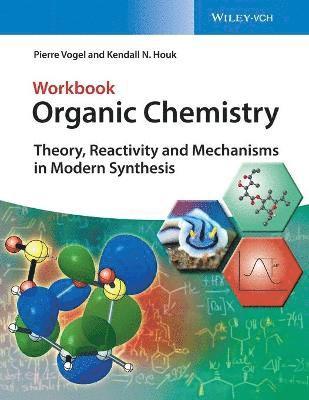
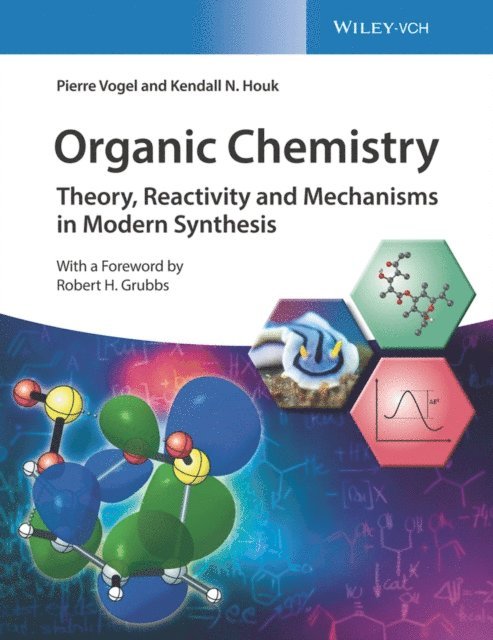
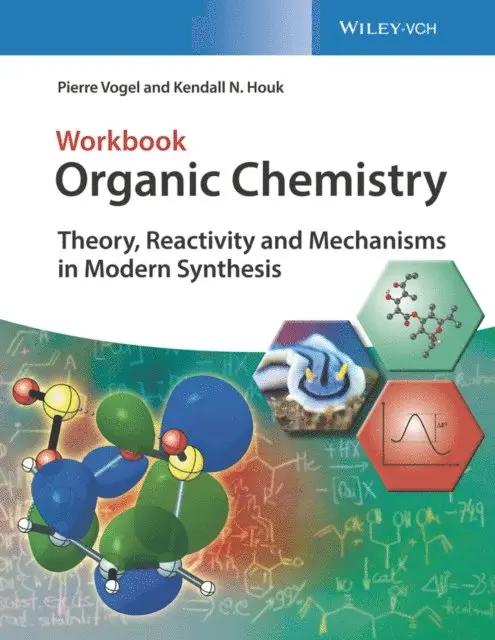
Organic Chemistry
Theory, Reactivity and Mechanisms in Modern Synthesis
AvPierre Vogel,Kendall N. Houk
Inbunden, Engelska, 2019
1 544 kr
Skickas . Fri frakt över 249 kr.
Beskrivning
Provides the background, tools, and models required to understand organic synthesis and plan chemical reactions more efficientlyKnowledge of physical chemistry is essential for achieving successful chemical reactions in organic chemistry. Chemists must be competent in a range of areas to understand organic synthesis. Organic Chemistry provides the methods, models, and tools necessary to fully comprehend organic reactions. Written by two internationally recognized experts in the field, this much-needed textbook fills a gap in current literature on physical organic chemistry.Rigorous yet straightforward chapters first examine chemical equilibria, thermodynamics, reaction rates and mechanisms, and molecular orbital theory, providing readers with a strong foundation in physical organic chemistry. Subsequent chapters demonstrate various reactions involving organic, organometallic, and biochemical reactants and catalysts. Throughout the text, numerous questions and exercises, over 800 in total, help readers strengthen their comprehension of the subject and highlight key points of learning. The companion Organic Chemistry Workbook contains complete references and answers to every question in this text. A much-needed resource for students and working chemists alike, this text: Presents models that establish if a reaction is possible, estimate how long it will take, and determine its propertiesDescribes reactions with broad practical value in synthesis and biology, such as C-C-coupling reactions, pericyclic reactions, and catalytic reactionsEnables readers to plan chemical reactions more efficientlyFeatures clear illustrations, figures, and tablesWith a Foreword by Nobel Prize Laureate Robert H. GrubbsOrganic Chemistry: Theory, Reactivity, and Mechanisms in Modern Synthesis is an ideal textbook for students and instructors of chemistry, and a valuable work of reference for organic chemists, physical chemists, and chemical engineers.
Produktinformation
Utforska kategorier
Mer om författaren
Recensioner i media
Innehållsförteckning
Hoppa över listan
Mer från samma författare
Organic Chemistry: Theory, Reactivity and Mechanisms in Modern Synthesis, Deluxe Edition
Pierre Vogel, Kendall N. Houk
Inbunden, 2019
1 452 kr
Orientation and Stereoselection
Kendall N. Houk, Christopher A. Hunter, Michael J. Krische, Jean-Marie Lehn, Steven V. Ley, Massimo Olivucci, Joachim Thiem, Margherita Venturi, Pierre Vogel, Chi-Huey Wong, Henry N. C. Wong, Hisashi Yamamoto
Häftad, 1970
556 kr
Reactive Intermediates
Kendall N. Houk, Christopher A. Hunter, Michael J. Krische, Jean-Marie Lehn, Steven V. Ley, Massimo Olivucci, Joachim Thiem, Margherita Venturi, Pierre Vogel, Chi-Huey Wong, Henry N. C. Wong, Hisashi Yamamoto
Häftad, 1970
556 kr
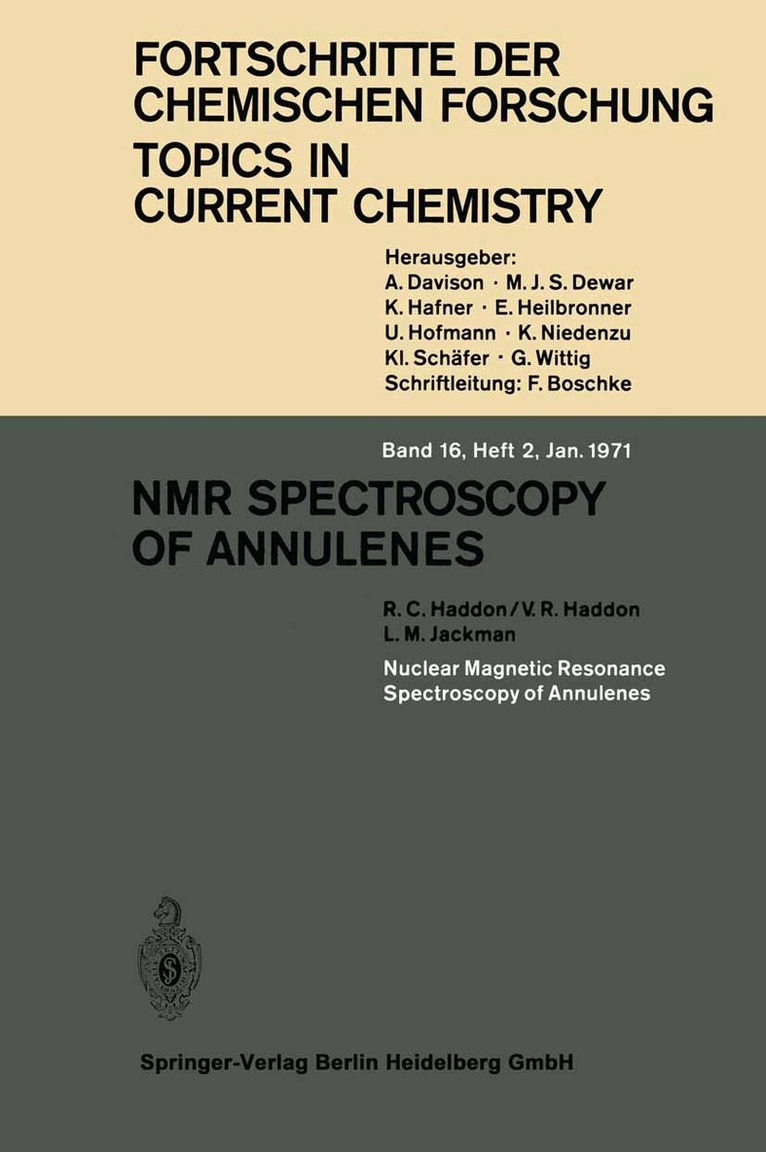
NMR Spectroscopy of Annulenes
Kendall N. Houk, Christopher A. Hunter, Michael J. Krische, Jean-Marie Lehn, Steven V. Ley, Massimo Olivucci, Joachim Thiem, Margherita Venturi, Pierre Vogel, Chi-Huey Wong, Henry N. C. Wong, Hisashi Yamamoto
Häftad, 1971
556 kr
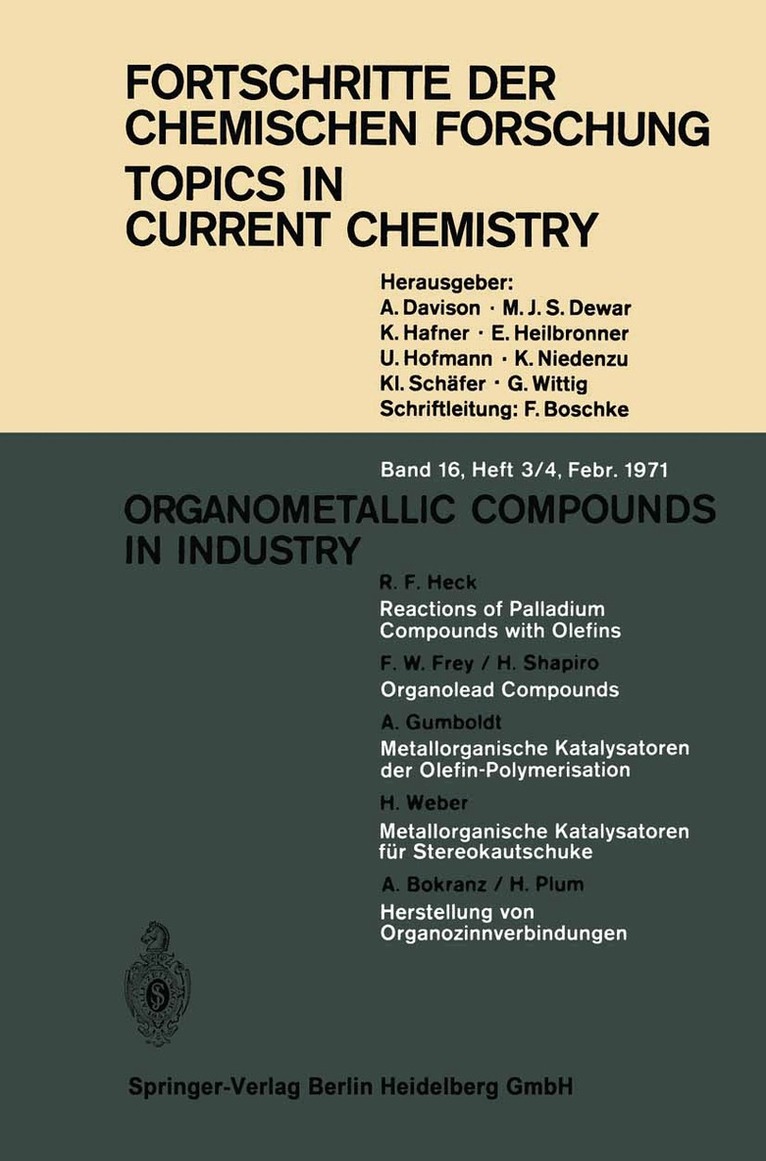
Organometallic Compounds in Industry
Kendall N. Houk, Christopher A. Hunter, Michael J. Krische, Jean-Marie Lehn, Steven V. Ley, Massimo Olivucci, Joachim Thiem, Margherita Venturi, Pierre Vogel, Chi-Huey Wong, Henry N. C. Wong, Hisashi Yamamoto
Häftad, 1971
556 kr
Hoppa över listan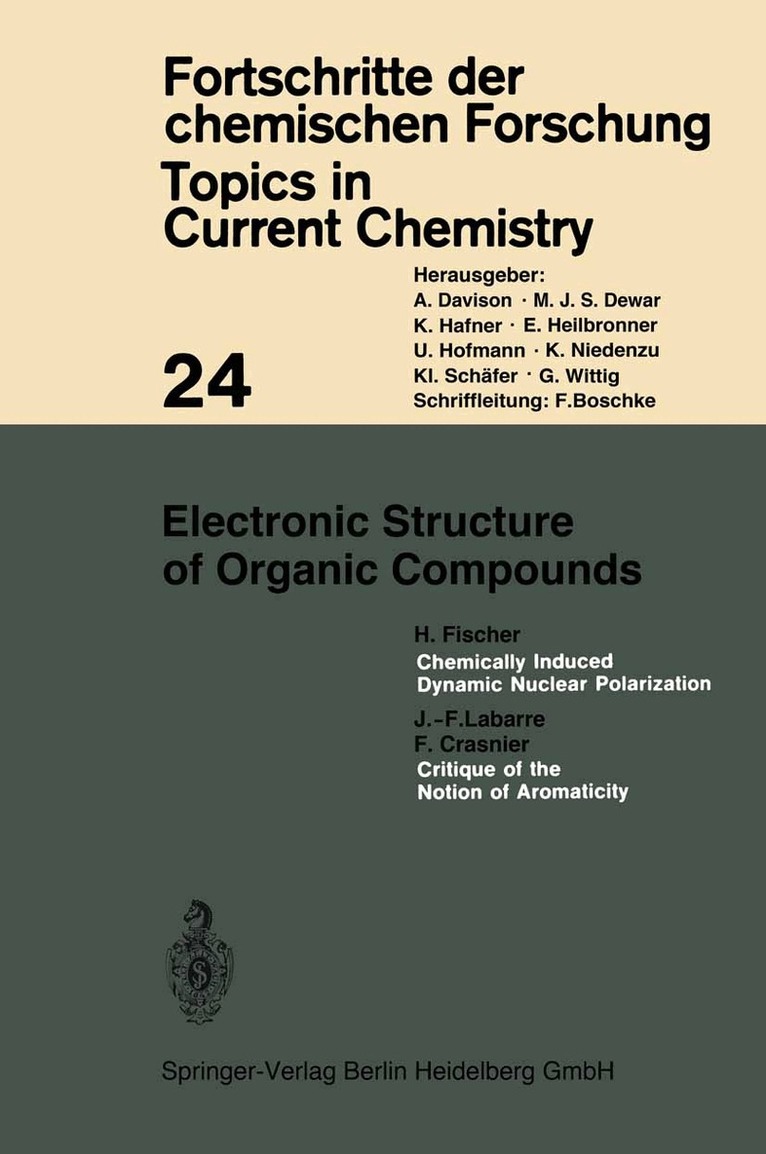
Du kanske också är intresserad av
Del 24
Electronic Structure of Organic Compounds
Kendall N. Houk, Christopher A. Hunter, Michael J. Krische, Jean-Marie Lehn, Steven V. Ley, Massimo Olivucci, Joachim Thiem, Margherita Venturi, Pierre Vogel, Chi-Huey Wong, Henry N. C. Wong, Hisashi Yamamoto
Häftad, 1971
556 kr
Organometallic Compounds in Industry
Kendall N. Houk, Christopher A. Hunter, Michael J. Krische, Jean-Marie Lehn, Steven V. Ley, Massimo Olivucci, Joachim Thiem, Margherita Venturi, Pierre Vogel, Chi-Huey Wong, Henry N. C. Wong, Hisashi Yamamoto
Häftad, 1971
556 kr
Del 62
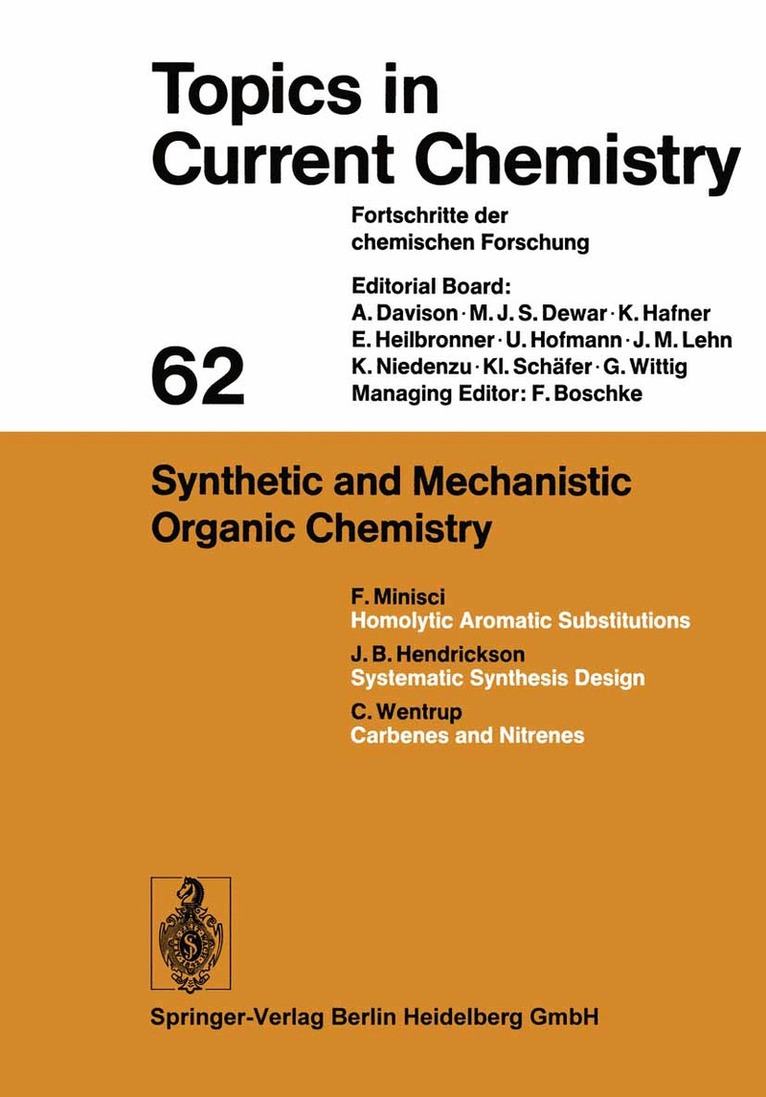
Synthetic and Mechanistic Organic Chemistry
Michael J. Krische, Jean-Marie Lehn, Steven V. Ley, Massimo Olivucci, Joachim Thiem, Margherita Venturi, Pierre Vogel, Chi-Huey Wong, Henry N. C. Wong, Hisashi Yamamoto, Kendall N. Houk, Christopher A. Hunter
Häftad, 2013
1 104 kr
Del 54
Triplet States I
Kendall N. Houk, Christopher A. Hunter, Michael J. Krische, Jean-Marie Lehn, Steven V. Ley, Massimo Olivucci, Joachim Thiem, Margherita Venturi, Pierre Vogel, Chi-Huey Wong, Henry N. C. Wong, Hisashi Yamamoto
Häftad, 2013
556 kr
Del 69
Inorganic Biochemistry II
Kendall N. Houk, Christopher A. Hunter, Michael J. Krische, Jean-Marie Lehn, Steven V. Ley, Massimo Olivucci, Joachim Thiem, Margherita Venturi, Pierre Vogel, Chi-Huey Wong, Henry N. C. Wong, Hisashi Yamamoto
Häftad, 2013
1 104 kr
Del 74
Organic Compounds
Kendall N. Houk, Christopher A. Hunter, Michael J. Krische, Jean-Marie Lehn, Steven V. Ley, Massimo Olivucci, Joachim Thiem, Margherita Venturi, Pierre Vogel, Chi-Huey Wong, Henry N. C. Wong, Hisashi Yamamoto
Häftad, 2013
556 kr
Silicon Chemistry II
Hisashi Yamamoto, Henry N. C. Wong, Chi-Huey Wong, Pierre Vogel, Margherita Venturi, Joachim Thiem, Massimo Olivucci, Steven V. Ley, Jean-Marie Lehn, Michael J. Krische, Christopher A. Hunter, Kendall N. Houk
E-bok
20071 413 kr
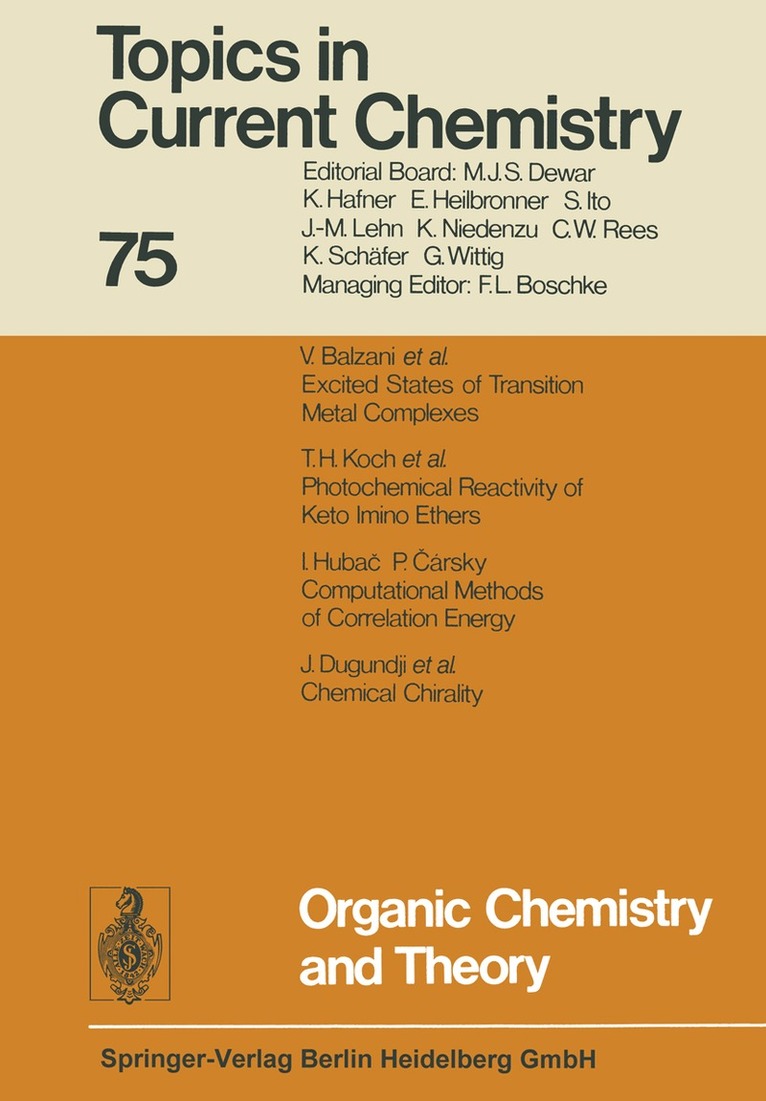
Del 75
Organic Chemistry and Theory
Kendall N. Houk, Christopher A. Hunter, Michael J. Krische, Jean-Marie Lehn, Steven V. Ley, Massimo Olivucci, Joachim Thiem, Margherita Venturi, Pierre Vogel, Chi-Huey Wong, Henry N. C. Wong, Hisashi Yamamoto
Häftad, 2014
1 104 kr
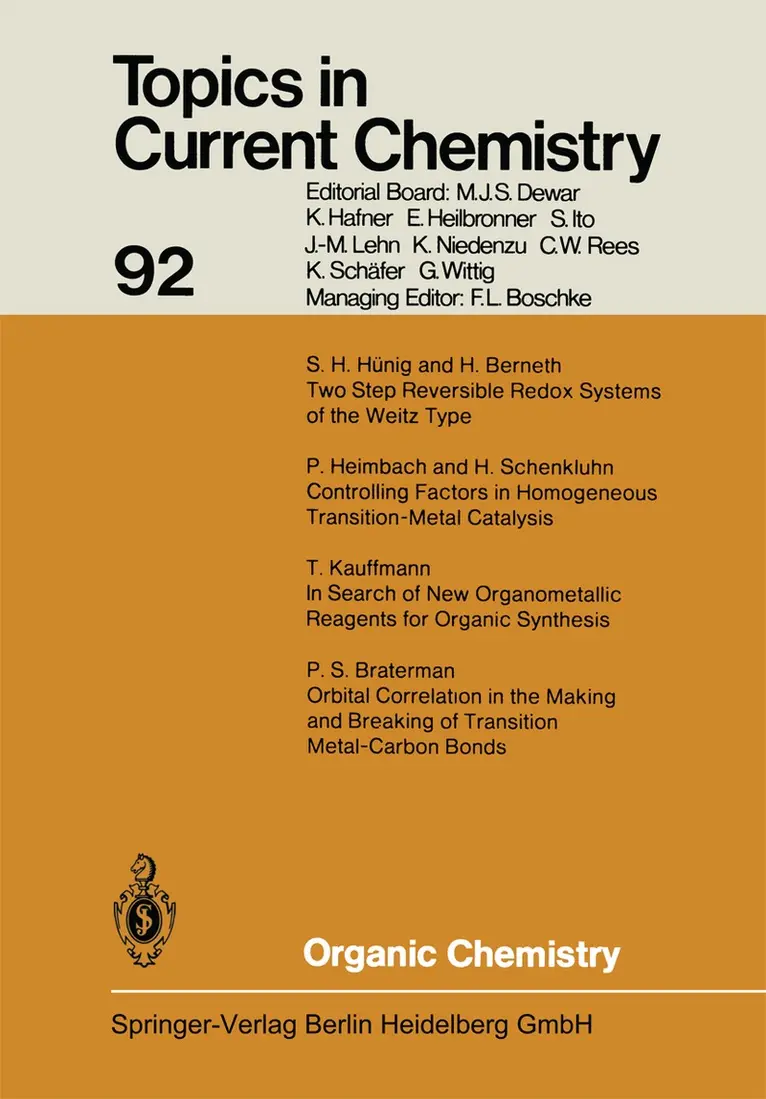
Del 92
Organic Chemistry
Kendall N. Houk, Christopher A. Hunter, Michael J. Krische, Jean-Marie Lehn, Steven V. Ley, Massimo Olivucci, Joachim Thiem, Margherita Venturi, Pierre Vogel, Chi-Huey Wong, Henry N. C. Wong, Hisashi Yamamoto
Häftad, 2013
556 kr